The term retro has transcended its colloquial use to become a category of analysis within design and marketing. It is not merely about old objects, but an aesthetic strategy that allows contemporary brands to dialogue with the past. This article examines how the reinterpretation of historical styles functions as a differentiation mechanism in saturated markets, based on academic studies of consumer behavior and the evolution of graphic design.
The academic definition of the phenomenon
To understand the magnitude of this phenomenon, it is necessary to turn to specialized literature. A 2013 study by JSC Ricolfe and JMB Vera, titled "Study of the purchase factors of retro products and segmentation of the potential retro market," establishes the theoretical foundations of this practice. The authors analyze the behavior of the potential market of retro product buyers, noting that the term is not limited to a specific date. On the contrary, many people associate the retro concept with specific decades, such as the 1980s, or with broader cultural eras. This semantic flexibility allows retro design to cover a vast range of visual references, from typography to color palettes.
Emotional factors in the purchasing decision
The research by Ricolfe and Vera highlights a crucial aspect: the behavior of retro product buyers is influenced by emotional and identity factors, rather than mere technical functionality. Unlike the purchase of a standard technological product, where technical specifications are usually the deciding factor, in the retro market, perceived value lies in the sentimental connection. The consumer does not buy just an object, but a projection of their own identity or an idealized past. This psychological dimension turns nostalgia into a tangible commercial asset, allowing companies to justify premium prices based on aesthetic and emotional experience.
Graphic design as a temporal bridge
Contemporary graphic design acts as the main vehicle for this temporal connection. Sources such as Canva point out that inspiration is found in both the aesthetics and techniques of past eras. Current design frequently references historical styles, from Art Nouveau of the 1880s to 1910s to 1980s design. Even older periods, such as the Victorian era (1850-1900) or Dadaism (1910-1920), serve as a bank of visual resources. This practice is not a simple copy, but a reinterpretation. Designers extract specific visual codes, such as the curvature of lines in Art Nouveau or the geometry of 80s design, and integrate them into modern products. The result is an aesthetic that feels familiar yet updated, capable of creating an immediate connection with the consumer.
Retro-marketing as a commercial strategy
This practice is commonly known as retro-marketing. It is a strategy that transforms nostalgia into a commercial asset. Companies use these references to differentiate themselves in a market saturated with similar products. By evoking a past era, the brand does not just sell a product, but a narrative. This narrative allows the consumer to position themselves socially and emotionally. Retro-marketing is particularly effective in industries where functional innovation is slow or where technical differentiation is difficult to perceive. In these contexts, aesthetic and emotional value becomes the main competitive differentiator.
Historical authenticity versus commercial reinterpretation
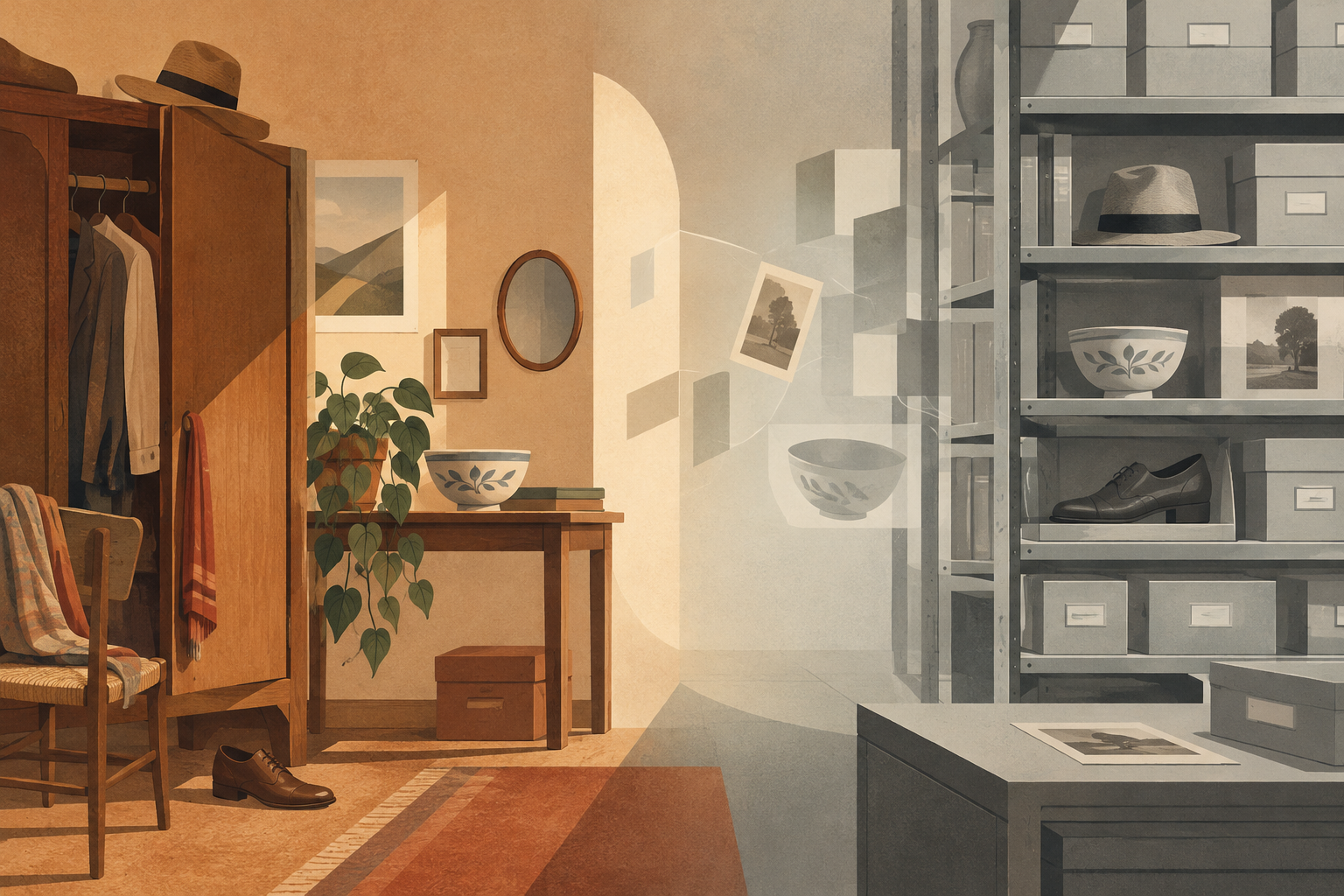
It is fundamental to distinguish between historical preservation and commercial reinterpretation. An original object retains its production context, materiality, and physical history. A contemporary retro product, on the other hand, is a new construction that uses visual codes from the past. It does not aim to be an old object, but an evocation of one. This distinction is crucial for understanding the ethics and aesthetics of retro design. Historical authenticity resides in the originality of the object, while the authenticity of retro design resides in the fidelity to the aesthetics of the referenced era. Confusing both concepts can lead to a hollow appropriation of history, where the past is reduced to a simple ornament without cultural depth.
The tension between familiarity and innovation
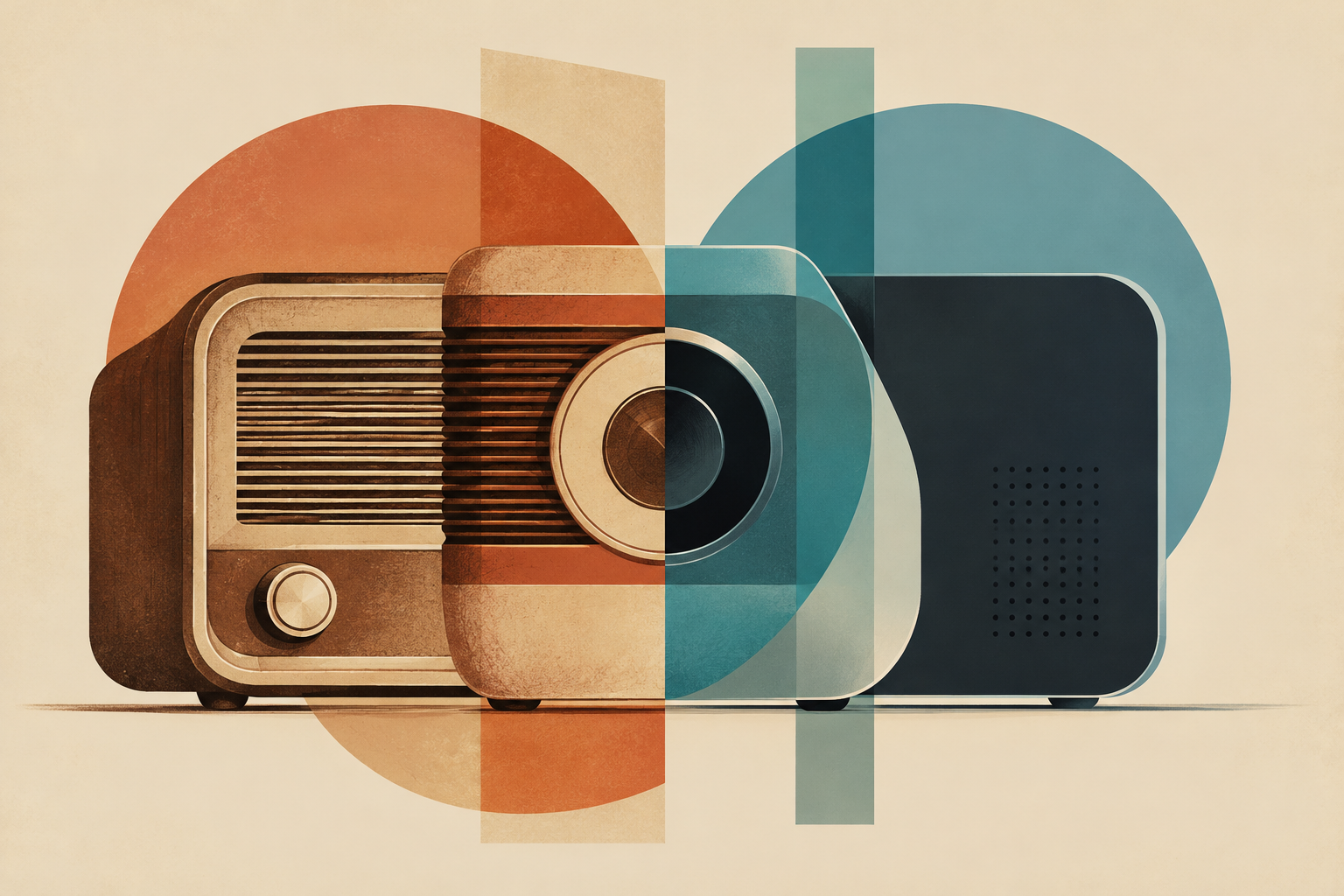
The success of retro products depends on their ability to balance aesthetic familiarity with current technical quality. If the product is too faithful to the past, it may seem obsolete or functionally deficient. If it is too modern, it loses the emotional connection that justifies its price. Successful design navigates this tension, offering the visual comfort of the known with the efficiency and quality of the present. This balance is what allows retro design to transcend mere imitation and become a legitimate form of artistic and commercial expression. Innovation does not oppose tradition, but reactivates it, giving it new functions and contexts of use.
Limitations of available evidence
Although the studies by Ricolfe and Vera provide a solid basis for understanding consumer behavior, the available evidence has limitations. The research focuses on the potential market and purchase factors, but does not delve into the design production itself. Furthermore, the definition of "retro" remains fluid and subject to cultural changes. What is considered retro today may not be tomorrow. Therefore, any analysis must be cautious and recognize the dynamic nature of this phenomenon. Nostalgia is not a fixed state, but a continuous process of reinterpretation of the past.
Conclusion
Retro design is much more than a passing trend. It is a cultural and commercial strategy that reflects the complex relationship between the past and the present. By reinterpreting historical styles, contemporary design creates bridges between generations and offers the consumer a way to connect with their own history. The key to its success lies in the ability to balance aesthetic authenticity with technical innovation, transforming nostalgia into tangible value. In an increasingly digital and ephemeral world, retro design offers an anchor of familiarity, reminding us that innovation does not always require breaking with the past, but sometimes, renewing it.
- Decade
- Contemporary
- Region
- Global
- Level
- Enthusiast
- Entities
- No linked entities
Sources and references
- Estudio de los factores de compra de productos retro y ...www.sciencedirect.com · 2026-10-18
- Estudio de los factores de compra de productos retro y ...www.cya.unam.mx · 2026-10-18
- Volver a lo retro: Cómo dar nueva vida creativa a tus ...translate.google.com · 2026-10-18
- (PDF) Estudio de los factores de compra de productos retro ...www.researchgate.net · 2026-10-18
- Estudio de los factores de compra de productos retro y ...www.redalyc.org · 2026-10-18
- Marketing retro o retro marketing | PPTXes.slideshare.net · 2026-10-18