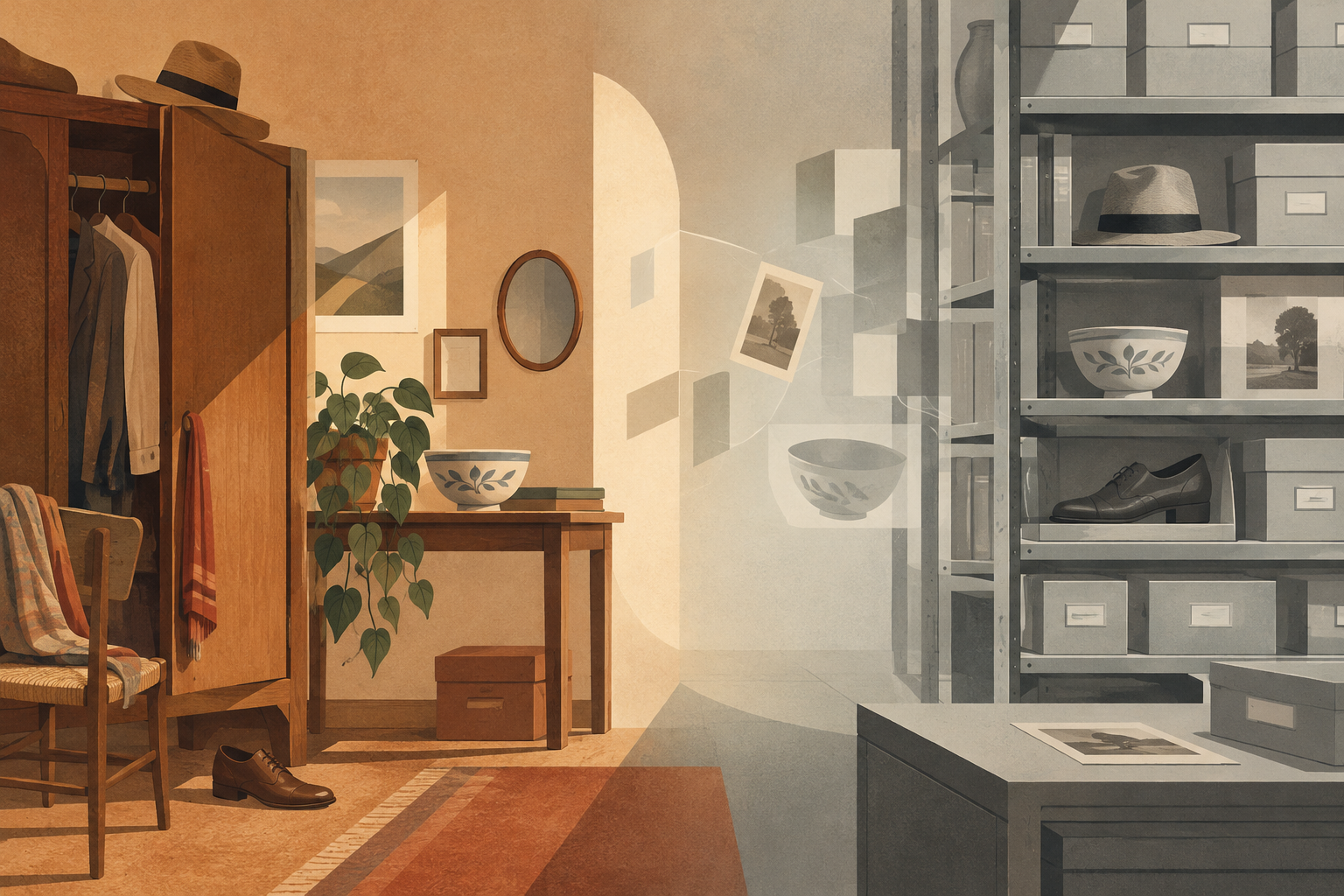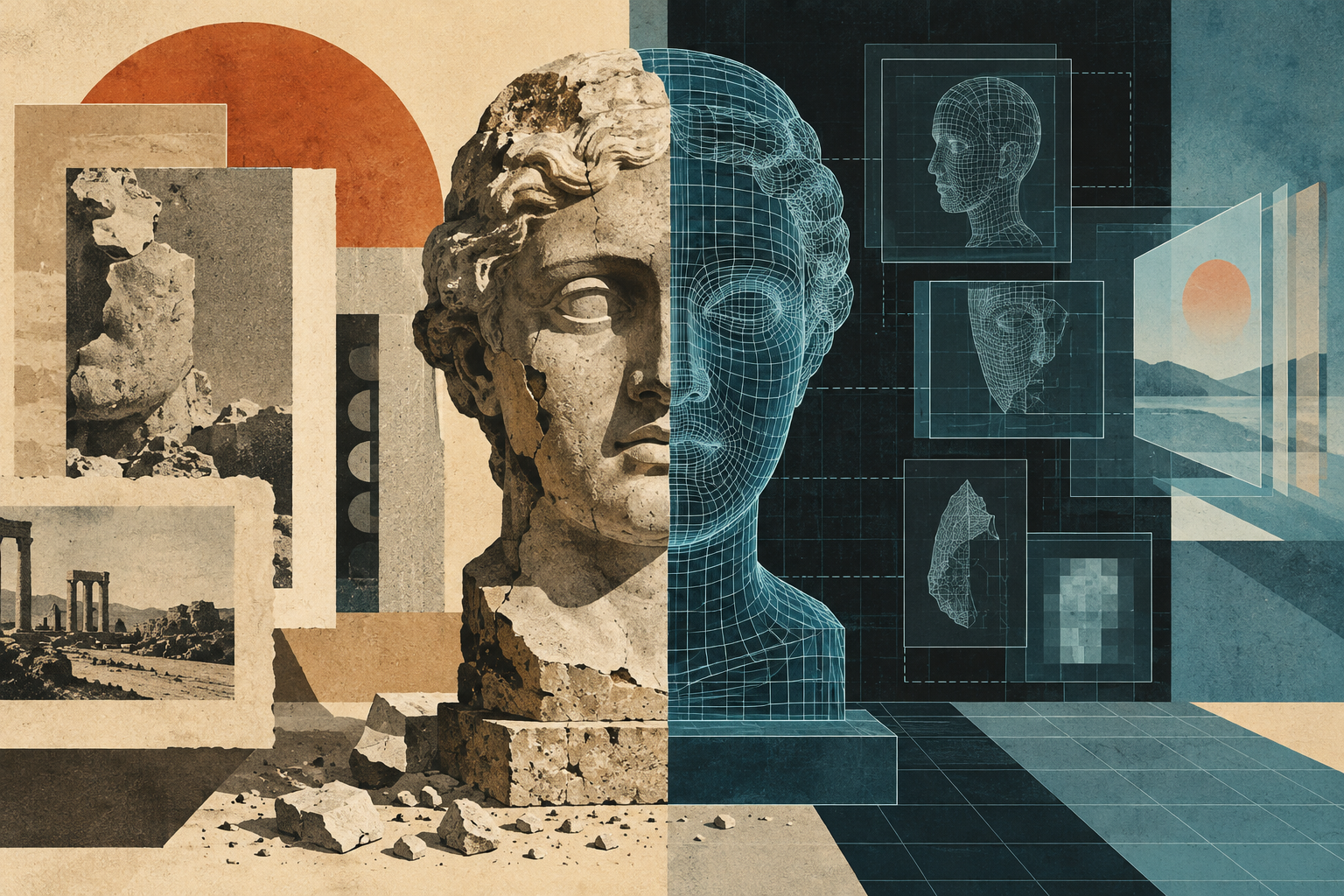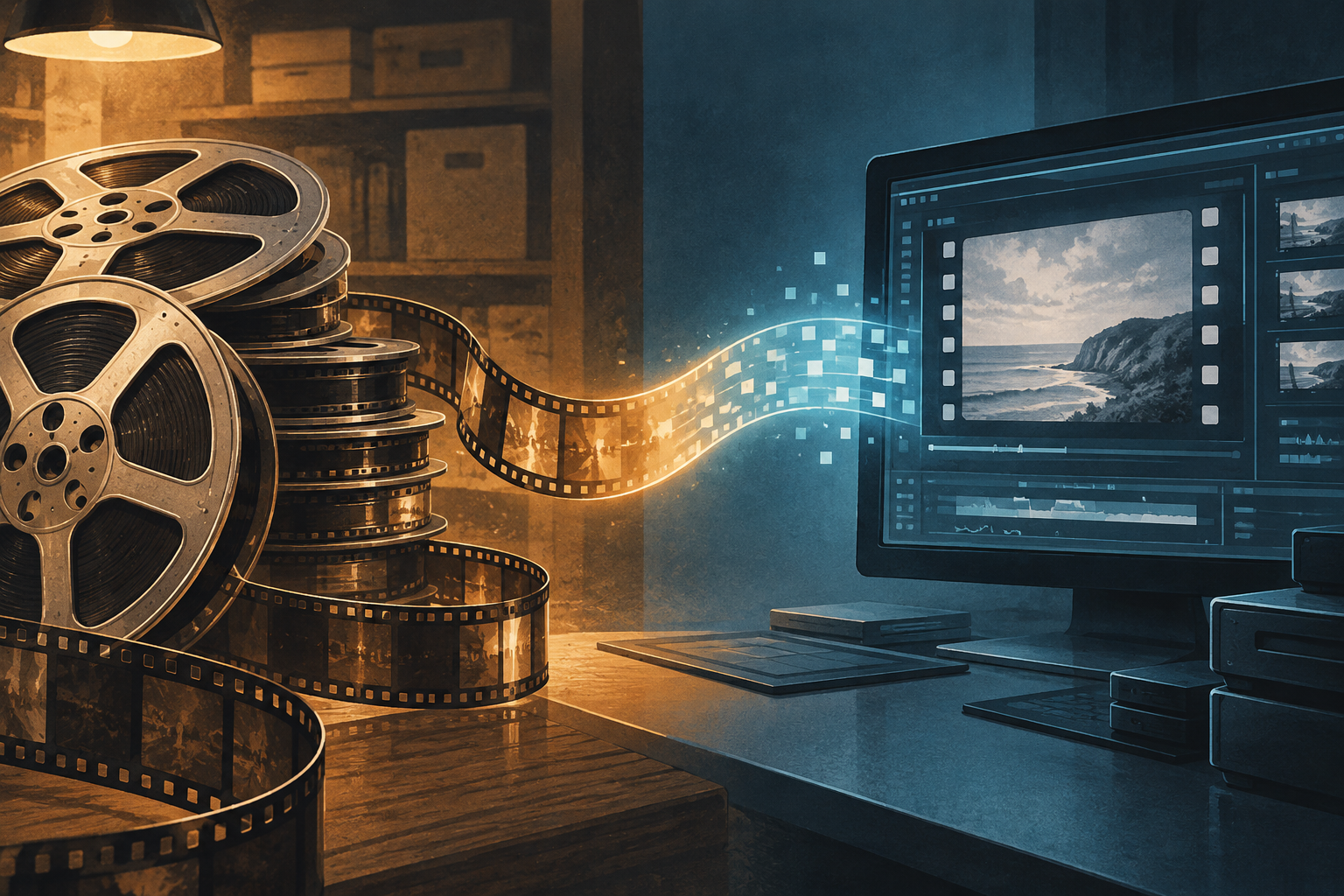
Film preservation has ceased to be a task exclusive to climate-controlled vaults and celluloid shelves. Today, the survival of film memory depends on a dual strategy that integrates the physical conservation of original media with dissemination through digital platforms. This article analyzes how cultural institutions manage this transition, ensuring that online accessibility does not sacrifice the authenticity of the material object. It is not about choosing between the archive and the screen, but about understanding how both formats coexist to ensure that audiovisual heritage remains relevant for new generations.
The Evolution of the Custody Model
Traditionally, the focus of film museums and archives was on the physical integrity of the film. Celluloid was viewed as a fragile artifact requiring specific temperature and humidity conditions to prevent degradation. However, available evidence suggests that this view is changing. Institutions no longer limit themselves to storing inert objects; they now seek to contextualize animated imagery within its social environment. This evolution implies recognizing that the value of a film resides not only in its physical medium but also in its capacity to be experienced and understood by the audience.
The Role of UNESCO and Academic Institutions
Organizations such as UNESCO have highlighted the importance of preserving film as part of both intangible and material cultural heritage. According to reviewed documents, museums and archives act as mediators that not only custody artifacts but facilitate their interpretation. Various academic institutions support this view, arguing that conservation must include strategies that allow interaction with the viewer. This approach expands the concept of preservation, including not only the protection of the material but also the promotion of its use and study.
The Tension Between Authenticity and Accessibility
The migration towards digital media poses significant challenges. On one hand, digitization allows copies of rare or damaged films to be accessible to a global audience without the risk of further deterioration of the original. On the other hand, the question of authenticity arises: is a digital copy as valid as the projection of the original copy? Studies indicate that online access increases the perception that cultural heritage is still alive. However, this requires careful management to prevent the digital version from becoming the sole reference, displacing the historical value of the physical object.
Preventive Preservation Strategies
To mitigate the risks of technological obsolescence, institutions implement preventive preservation strategies. This includes the periodic migration of digital archives to new formats and the detailed documentation of metadata associated with each piece. Evidence shows that these practices are essential to ensure that digital access is not temporary. Furthermore, there is an emphasis on the need to maintain physical media in optimal conditions, ensuring that, if digital technology fails, the original remains available for future restorations or studies.
The Impact on Heritage Perception
The availability of film archives online has a direct impact on how the public perceives historical cinema. Results from recent research suggest that knowing that cultural heritage is digitally accessible fosters greater interest and commitment to film memory. This phenomenon is particularly relevant for new generations, who interact with culture through screens. By making cinema accessible, institutions not only preserve the past but also activate its present relevance, creating a bridge between history and contemporary experience.
Limitations of Current Evidence
Although the trend towards hybridization is clear, there are limitations in the available information. Specific data on the economic cost of these dual strategies or the exact metrics of long-term preservation success are not available. Moreover, the provided evidence does not detail the technical differences between the various digital formats used by institutions. Therefore, it is important to recognize that, although the hybrid model is promising, its effective implementation requires further research and standardization of practices.
Conclusion: A Necessary Balance
Contemporary film preservation requires a delicate balance between the protection of the physical object and the democratization of digital access. Restoration and dissemination are not opposing processes but complementary ones. While restoration ensures the material survival of the piece, digital dissemination guarantees its cultural continuity. Institutions that successfully integrate both approaches do not only conserve films but keep film memory alive, allowing cinema to remain an active cultural force in today's society.
- Decade
- Contemporary
- Region
- Global
- Level
- Enthusiast
- Entities
- No linked entities
Sources and references
- Museos y archivos del cineunesdoc.unesco.org · 2026-10-18
- El valor del archivo digital de la historia del cine: disposición a ...translate.google.com · 2026-10-18
- (PDF) El cine como patrimonio cultural: el caso de la ...www.researchgate.net · 2026-10-18
- La memoria del cine vive aquí 🎞️ En el Archivo de ...www.facebook.com · 2026-10-18
- 🎞 ¿Te interesa rescatar y trabajar con la memoria ...www.instagram.com · 2026-10-18
- Preservación de la memoria cinematográfica - RiuNet - UPVriunet.upv.es · 2026-10-18