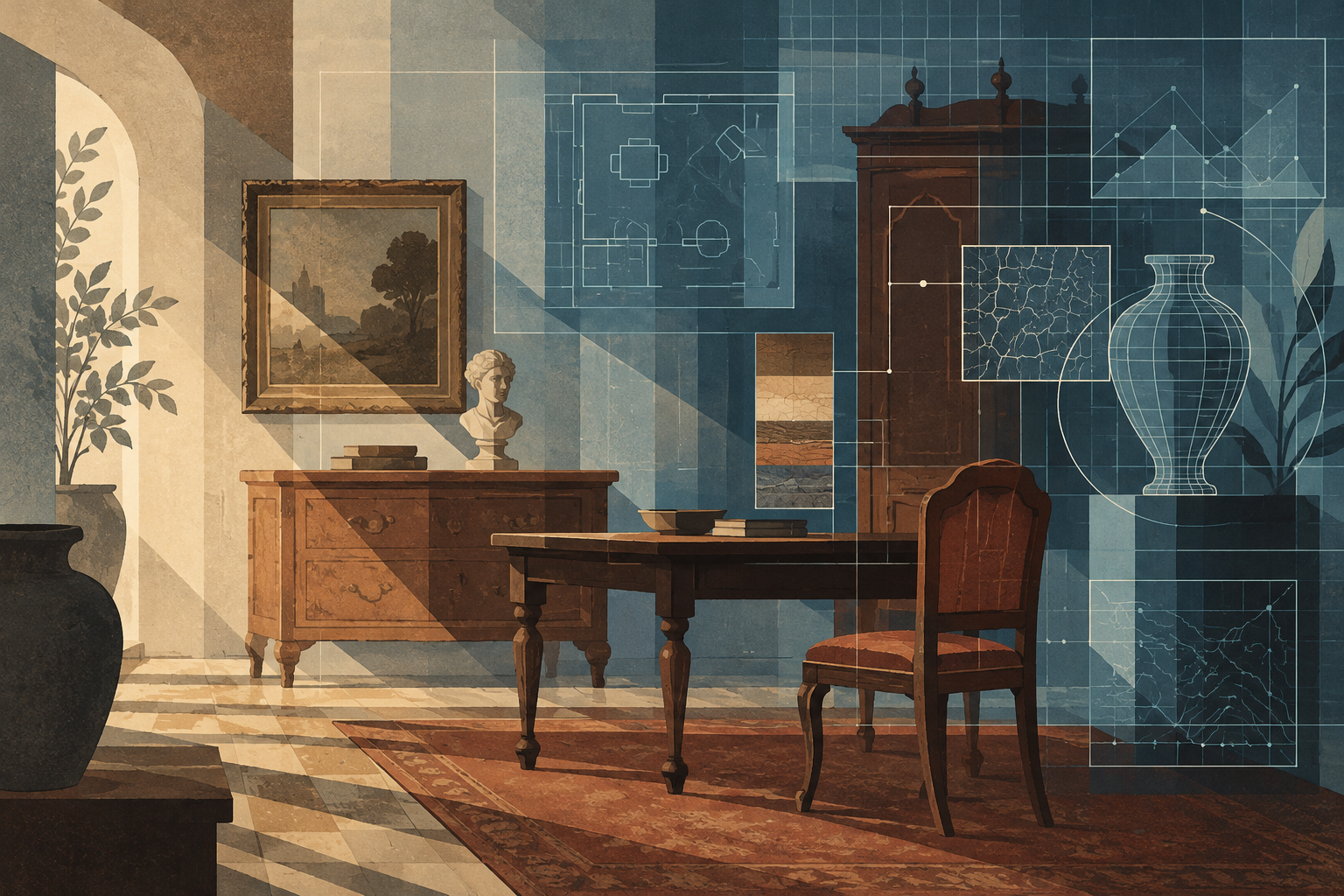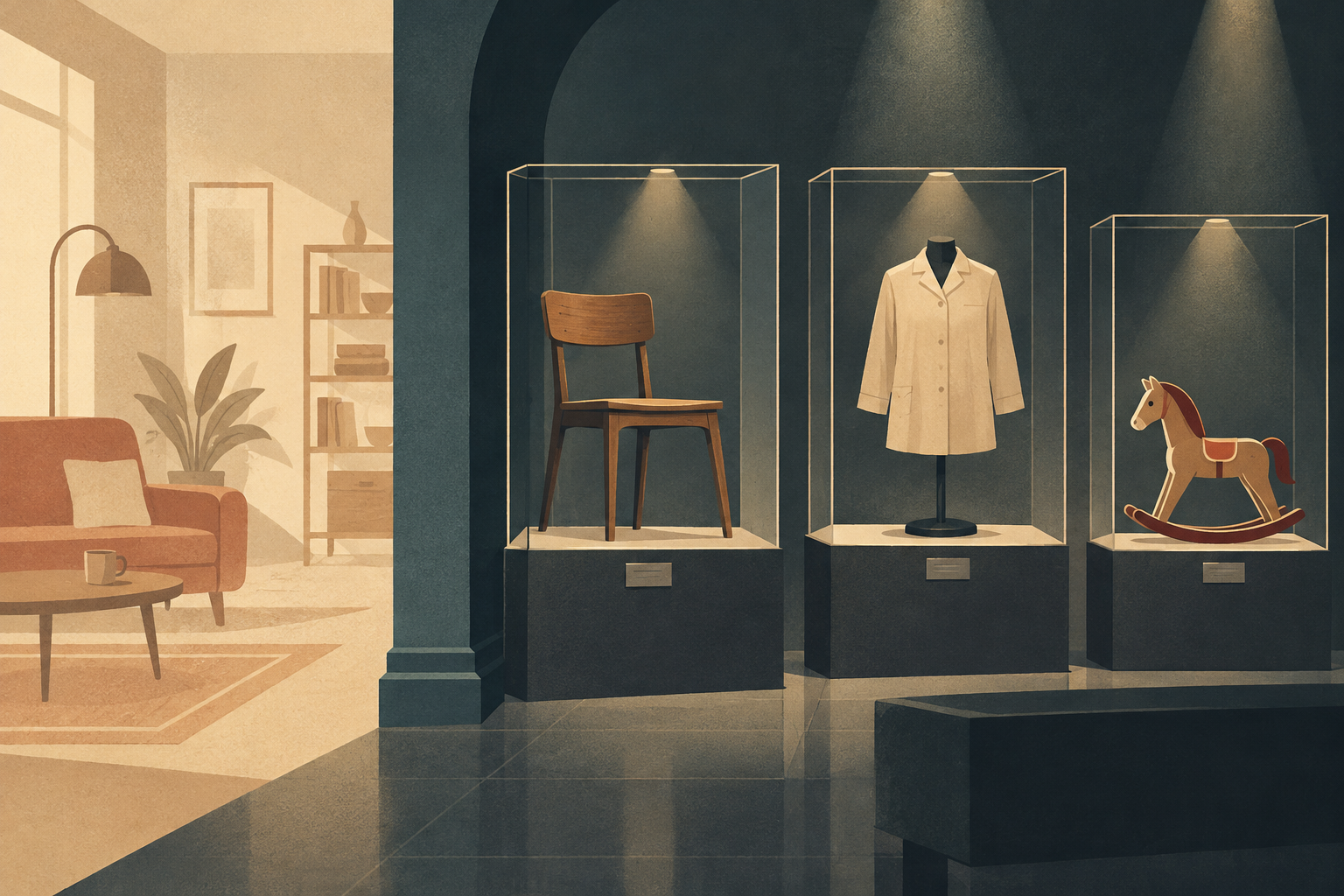
The contemporary market has stopped treating retro aesthetics as a mere decorative resource, turning them instead into a fundamental positioning strategy. This transition is not limited to the reproduction of old visual forms, but implies a reconfiguration of the perceived value of products. By analyzing buyer behavior, it is observed that the demand for items with historical references does not respond to an obsolete functional need, but to a search for emotional connection and cultural belonging. This phenomenon redefines the relationship between the object and the user, where history becomes a tangible component of the consumption experience.
The symbolic function of the object
Academic studies, particularly the works of Ricolfe and Vera, point out that consumers of retro products do not prioritize the original functionality of the item. Instead, they seek an affective resonance that allows them to project a specific identity. The object ceases to be merely a tool and becomes a social marker. This dynamic transforms the perception of value, where practical utility is subordinated to the product's ability to activate collective memory. Aesthetics act as a bridge between the present and an idealized past, allowing the buyer to negotiate their place within a shared cultural narrative.
Differentiation in a saturated market
In a commercial environment where technological innovation advances at an accelerated pace, differentiation becomes a constant challenge for brands. The adoption of past aesthetics offers an alternative path to stand out. By evoking previous decades, companies create specific niches that depart from the homogeneity of contemporary design. This strategy allows brands to position themselves not by what they do, but by what they represent. Nostalgia thus becomes an intangible asset that generates loyalty and distinguishes the offer from competitors who rely exclusively on technical specifications.
Critical reinterpretation versus imitation
It is fundamental to distinguish between the mere copy of visual elements and a critical reinterpretation that respects the historical context. Superficial imitation can result in an empty experience that fails to connect with the emotional depth sought by the consumer. On the contrary, an adaptation that preserves the essence of the original design while adjusting it to current needs demonstrates respect for history and an understanding of its relevance. This approach requires a rigorous analysis of the visual and cultural codes of the reference era, ensuring that the new proposal is not a parody, but a coherent evolution.
Perceived authenticity as a key factor
Consumer acceptance depends largely on perceived authenticity. However, this authenticity does not always correlate with technical originality or absolute fidelity to the historical prototype. What the market values is the internal coherence of the proposal and the ability to convey a sense of truthfulness. A product can be technically modern but perceived as authentic if its visual language and brand narrative align with the authenticity expectations of the target audience. This discrepancy between technical reality and cultural perception is a crucial aspect to consider in the development of retro strategies.
Limits of the nostalgic strategy
Despite its effectiveness, the retro strategy has inherent limits. The overexposure of certain styles can lead to saturation and the loss of emotional impact. Furthermore, not all market segments respond in the same way to historical references. The effectiveness of this approach depends on the brand's ability to select the appropriate references and present them in a way that resonates with the specific demographic. Ignoring these nuances can result in a disconnection with the audience, reducing the commercial potential of the investment in retro design.
Historical context and graphic design
Inspiration from past eras is not a new phenomenon in graphic design. From the Victorian era to Art Nouveau, designers have turned to previous styles to innovate. Contemporaneity is no exception, as current design frequently references historical eras to find new forms of expression. This historical continuity demonstrates that nostalgia is a constant creative engine, not a passing fashion. Understanding this timeline helps to situate current practices within a broader tradition of dialogue between past and present in visual creation.
Conclusion
The integration of retro aesthetics into the current market represents a complex interaction between memory, identity, and economy. Far from being a simple aesthetic trend, it is a sophisticated strategy that exploits the symbolic power of objects. The success of this approach lies in the brands' ability to balance historical fidelity with contemporary innovation, offering products that not only function but also mean something to the consumer. Ultimately, the value of retro design lies in its ability to transform the purchasing experience into an act of cultural identity construction.
- Decade
- Contemporary
- Region
- Global
- Level
- Enthusiast
- Entities
- No linked entities
Sources and references
- Estudio de los factores de compra de productos retro y ...www.sciencedirect.com · 2026-10-16
- Estudio de los factores de compra de productos retro y ...www.cya.unam.mx · 2026-10-16
- Volver a lo retro: Cómo dar nueva vida creativa a tus ...translate.google.com · 2026-10-16
- (PDF) Estudio de los factores de compra de productos retro ...www.researchgate.net · 2026-10-16
- Estudio de los factores de compra de productos retro y ...www.redalyc.org · 2026-10-16
- Marketing retro o retro marketing | PPTXes.slideshare.net · 2026-10-16