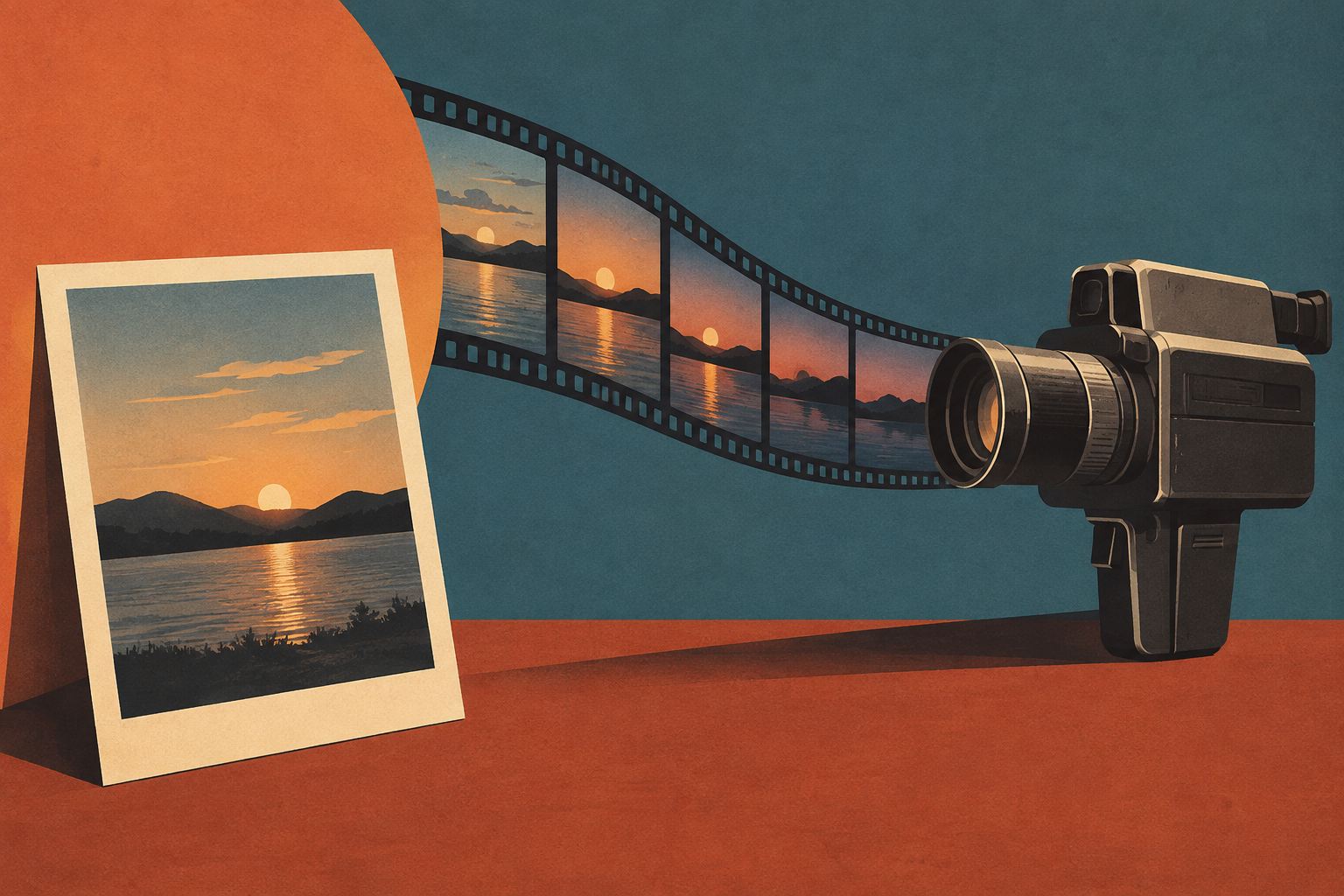
Photography and video share a common technical origin, but diverge in their relationship with time. While photography freezes a moment on a physical or digital medium, video captures a sequence of moments that only make sense in their playback. This distinction, which seems obvious today, was a conceptual and technical challenge during the 1980s and 1990s, when video transitioned from a professional format to an accessible home tool.
The transition of the medium
The shift from analog photography to home video involved a change in the nature of the medium. Traditional photography relied on the chemistry of silver and paper, while early video used magnetic tapes such as VHS or Betamax. This change was not only technical but also cultural. Video tape allowed everyday moments to be recorded in a way that photography, with its cost and complexity, did not always make possible.
The temporal factor
An academic study published in the journal Mosaic analyzes the temporal factor and rhythm as distinguishing features between photography and video. According to this analysis, video introduces a dimension of rhythm that photography does not possess. Photography is static, while video is dynamic. This difference affects not only how the image is perceived but also how it is remembered and interpreted.
The democratization of the image
The arrival of home video democratized the creation of moving images. Before the 1980s, video production was limited to professional studios and televisions. With the popularization of video cameras, anyone could record and edit their own memories. This change had a profound impact on visual culture, allowing for a greater diversity of perspectives and styles.
The archive and memory
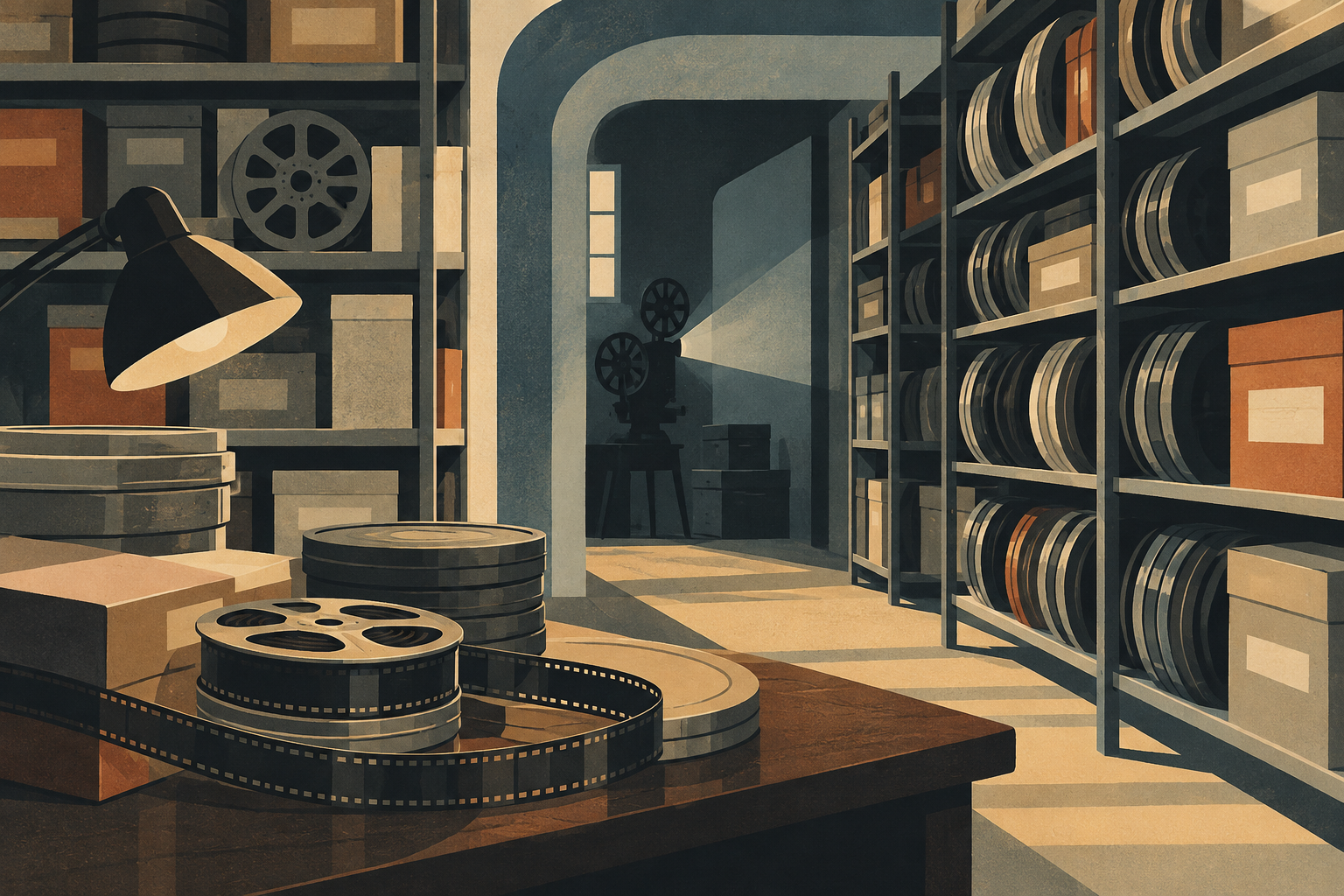
Home video archives are a valuable source for understanding the collective memory of the 1980s and 1990s. Unlike photographs, which are often carefully selected and preserved, video tapes contain a much larger amount of material, including spontaneous and unplanned moments. This material offers a more complete view of everyday life of the time.
Integration with photography
As technology advanced, the border between photography and video became more blurred. Digital cameras began to offer video functions, and video cameras began to offer photography functions. This integration reflects a broader trend towards media convergence, where traditional distinctions between formats become less relevant.
Limitations of the evidence
It is important to note that the available evidence on the relationship between photography and video in the 1980s and 1990s is limited. Many home video archives have been lost or deteriorated, and academic studies on the topic are relatively scarce. In addition, the subjective experience of home video users is difficult to capture in written documents.
Conclusion
The relationship between photography and video is complex and multifaceted. While photography focuses on the moment, video focuses on time. This fundamental distinction has evolved with technology, but it remains relevant for understanding how we create and consume images in the digital age.
- Decade
- 1990s
- Region
- Global
- Level
- Enthusiast
- Entities
- VHS
Sources and references
- El factor temporal y el ritmo como distintivo entre fotografía y vídeodoi.org · 2026-10-13
- La génesis del vídeo y su debut innovador en la creación audiovisualopenalex.org · 2026-10-13
- La fotografía del siglo XIX Jornada profesional en la BRMwww.youtube.com · 2026-10-13
- La exposición "Genealogías documentales. Fotografía 1848 ...www.facebook.com · 2026-10-13
- protocolo-documentacion-visual.pdfwww.ibermuseos.org · 2026-10-13
- El valor de una exposición: “Archivo fotográfico del Banco ...www.bde.es · 2026-10-13