In the Porceyo district of Gijón, Asturian industrial memory preserves a remnant that transcends mere sweet manufacturing. Chocolatería La Herminia, established in the 1960s, was not just a production plant but a node where graphic technique and local economy converged. Its historical relevance lies not only in the final product but in the technical means used for its promotion, specifically the use of lithographic plates that today constitute a heritage study object.
Origins and brand continuity
Records indicate that the factory built in the 1960s gave continuity to a pre-existing brand. This continuity suggests that La Herminia did not arise from nothing but integrated into an already consolidated Asturian chocolate tradition. The building, raised with typical materials of the era, functioned as a transition space where local craftsmanship coexisted with the modern machinery necessary for large-scale bonbon and tablet production.
Lithography as a commercial tool
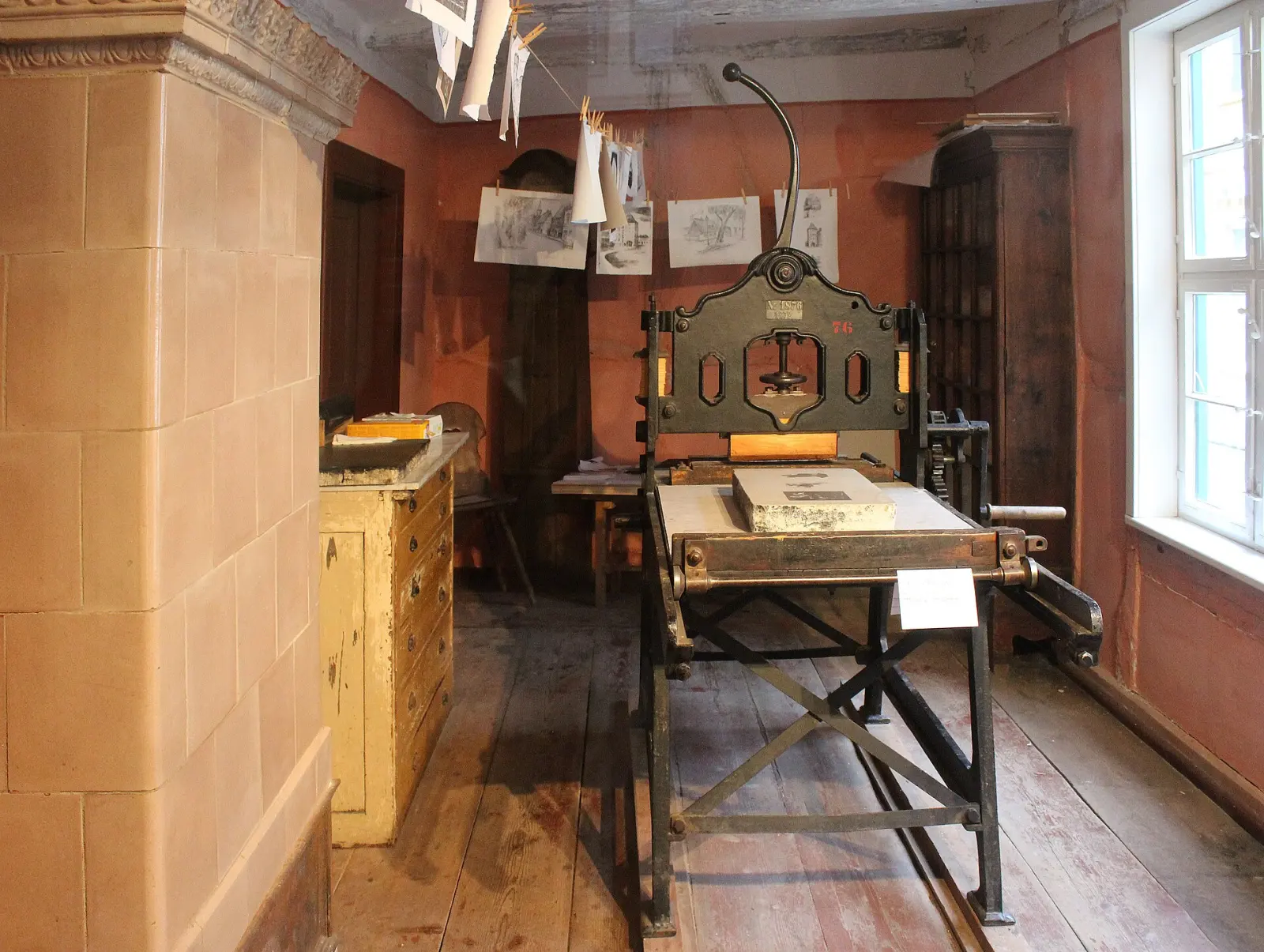
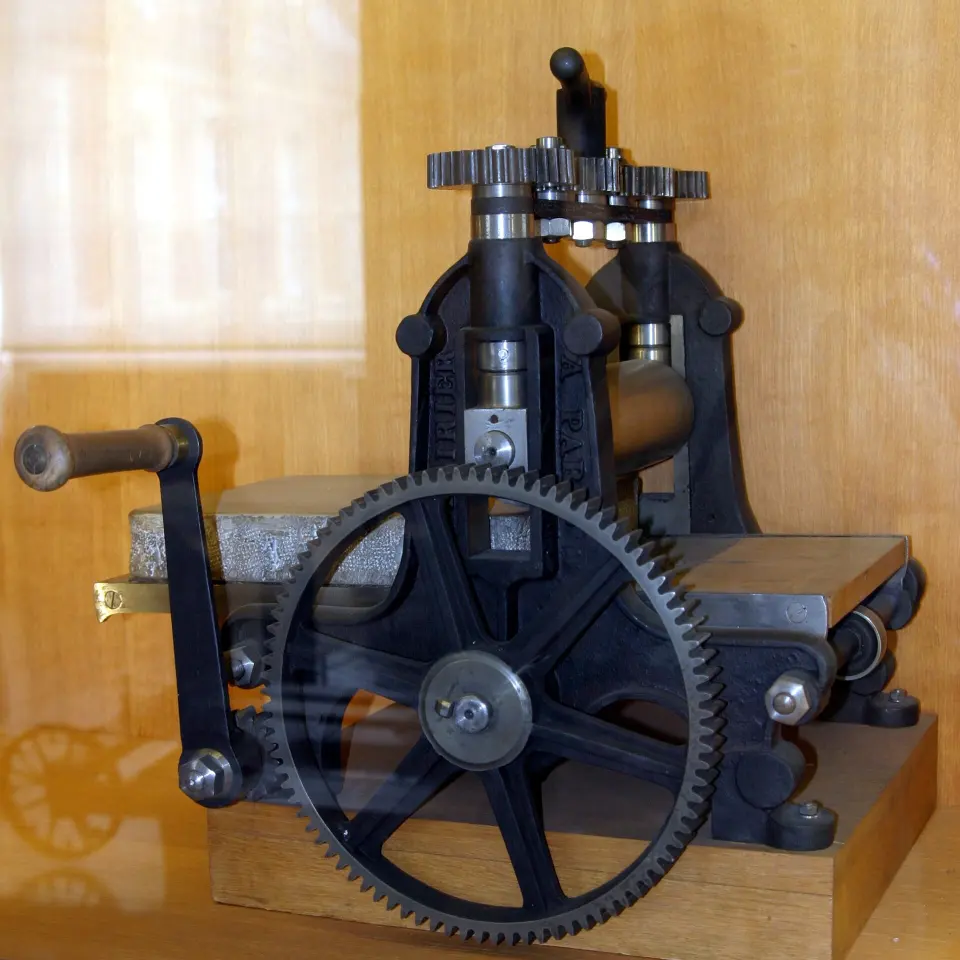
The most distinctive aspect of the available documentation on La Herminia is its link to lithographic commercial printing in Asturias. An academic catalog compiling lithographic and metalographic plates from the region between 1920 and 1973 specifically includes Chocolates La Herminia. This finding places the brand within a broader technical context, where lithography was the standard for creating high-quality packaging and advertising.
The role of Robustiano Viña Mori
The attribution of the plates to Robustiano Viña Mori hijo adds a layer of historical specificity. The presence of his name in the plate catalogs indicates that the brand's visual identity was not anonymous but linked to specific graphic design professionals of the time. This allows tracing a line of connection between industrial production and the graphic trade, two worlds often studied separately.
Asturian industrial context
La Herminia's history cannot be isolated from Gijón's industrial fabric. The city was an epicenter of industrialization in northern Spain, and the chocolate factory inserted itself into that ecosystem. References to other brands like La Nueva España or La Pega Tina in local historical contexts suggest a competition and coexistence of ventures that defined the region's flavor and image during the twentieth century.
Transition and closure
At the end of the twentieth century, the plant closed its doors. While sources do not detail the exact causes of the closure, the general context of the era points to structural changes in the food industry and advertising. The transition from lithographic techniques to other digital or offset printing methods would have reduced the relevance of the original plates, turning what was a production tool into a historical artifact.
Legacy in collections
Today, La Herminia's original plates and packaging are preserved in private collections and local museums. Their state of conservation, described in some catalogs as variable, reflects the passage of time and industrial use. These objects are not just memories of a flavor but graphic documents that evidence the design and marketing practices of mid-twentieth-century Asturias.
Conclusion
La Herminia represents a case study on how brand identity is built through the intersection of physical production and graphic representation. Its legacy is not only gastronomic but cultural and technical, offering a window into the history of industrial design in Asturias.
Documentary gallery
- Decade
- 1970s
- Region
- Spain
- Level
- Introduction
- Entities
- Chocolates La Herminia, Chocolatera
Sources and references
- El impreso comercial litografiado en Asturias (1920-1973). ...www.academia.edu · 2026-10-20
- Antigua fábrica de Chocolate "La Colonial", actual Eureka ...www.facebook.com · 2026-10-20
- Vista de «Al comprar calidad, resultará ...arbor.revistas.csic.es · 2026-10-20
- La Asturias poco controlada del Medievo (III)elblogdeacebedo.blogspot.com · 2026-10-20
- Alfonso II y su reinado de simbología cristológica (y II)elblogdeacebedo.blogspot.com · 2026-10-20