The supplied post-punk entry identifies Sounds as the magazine that published the “New Musick” editorial in November 1977, where the term was introduced. The evidence does not identify a specific issue.
Selected excerpts from our archive offer more context on this subject. Each reading links to the original article and its sources.
Preserving Music Is More Than Saving Sounds: Archives, Context and Cultural Memory
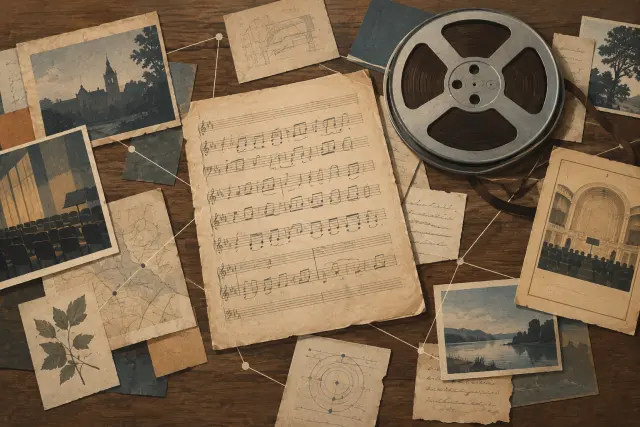
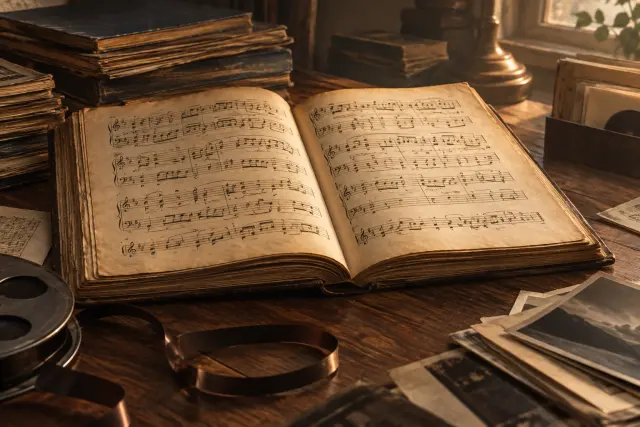
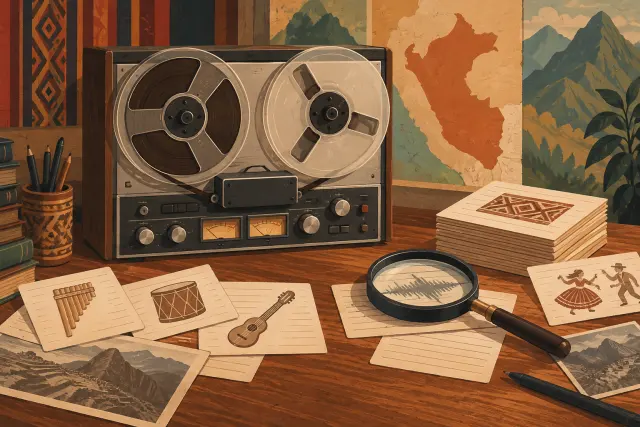
A music archive may contain scores, programmes, correspondence, recordings, photographs, press cuttings, administrative files, or material linked to concerts, choirs, bands and other institutions. Yet none of those items alone explains what music meant to the people who made it, heard it, organised it or kept it. That is the starting point: preserving music is not merely collecting objects or transferring sound from one format to another.
The literature assembled for this article stresses that the musical document is cultural and intellectual heritage, as well as written testimony to a culture. It also frames music as a social practice: a phenomenon that may be studied through physical, psychological, aesthetic and cultural dimensions. This breadth matters especially to a retro perspective. A record, tape or score may trigger material memory, but its historical value also depends on who produced it, how it circulated and in what setting it was used.
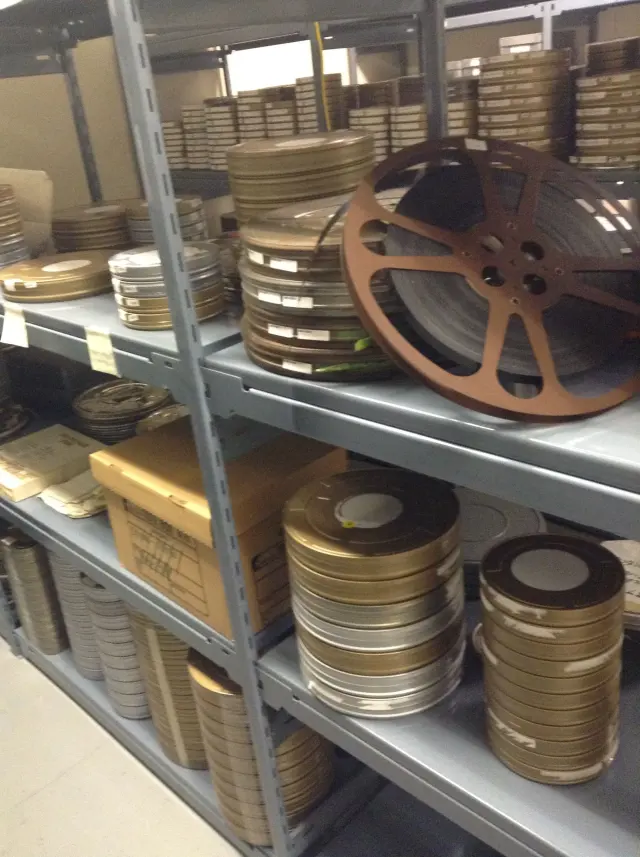
The idea of a musical document is broader than that of a score. Bibliopos distinguishes, among other areas, book-based documents and notated music, while noting that sound and audiovisual material also demands attention. The University of Navarra, meanwhile, lists historical holdings, contemporary compositions, records from choirs, bands, orchestras, theatres, auditoriums, cultural and educational societies, as well as archives generated by musical events.
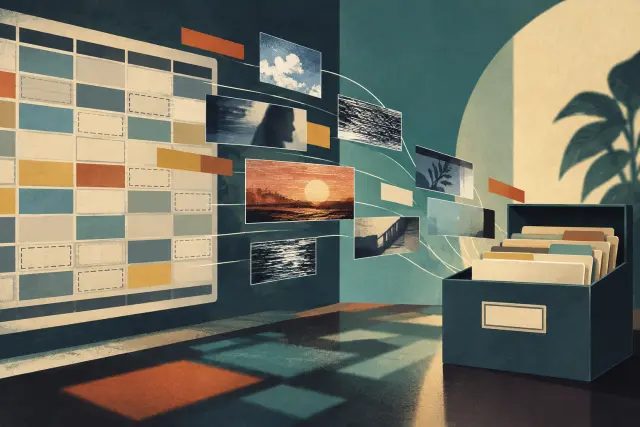
That list has a practical consequence: an archive should not isolate a work from the traces that make it understandable. A programme may provide a date or repertoire; a letter may reveal the working network behind a performance; a recording may preserve an interpretation; an inventory may show how an institution described its own holdings. No single document type replaces the others.
Old Software Museums: Preserving Is Not the Same as Being Able to Run It
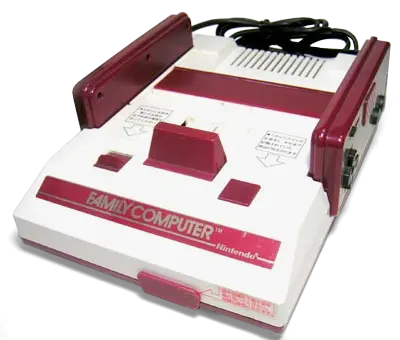
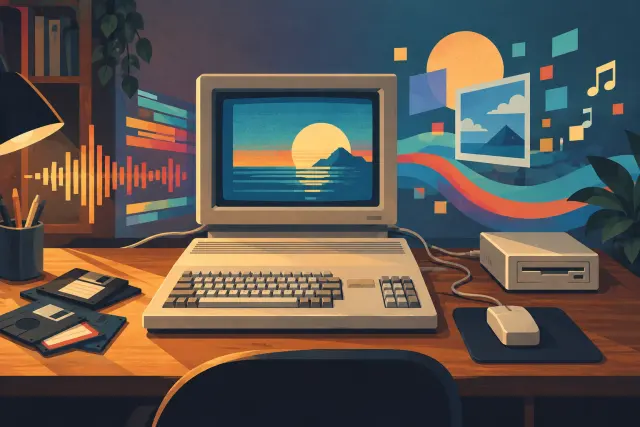
There is also a historical limit. Running a system on a modern computer can approximate its interface and some routines, but does not necessarily reproduce the screen, devices, networks, sounds, or work and home practices of its period. Emulation is valuable mediation, not a time machine. Recording that mediation is part of an honest account of the experience.
KEY FACTS
- Type
- Magazine
References
- Post-punkes.wikipedia.org