The 2000s were not a uniform period in fashion history, but a transitional space where classic and contemporary styles intertwined in complex ways. Unlike other eras marked by a dominant aesthetic, this period saw the coexistence of multiple trends that often contradicted each other. However, a clear thread emerges when examining the sources: the resurgence of retro styles, particularly those inspired by the 1960s, which gained momentum in the mid-decade. This phenomenon was not accidental but closely linked to specific musical and cultural movements that influenced design and the perception of clothing.
The Rise of British Indie Pop
One of the determining factors in the 2000s aesthetic was the rise of British indie pop. This musical genre, which experienced a renaissance in the early 2000s, brought with it a visual aesthetic that designers quickly adopted. The connection between music and fashion was not new, but in this case, it was particularly visible. British indie pop groups did not only define a sound but also an image that included specific garments and visual patterns. This influence translated into a greater presence of retro elements on runways and in the streets, creating a bridge between nostalgia and innovation.
Tracksuits and Polo Shirts
Among the most emblematic garments of this period were tracksuits. Although they had been popular in previous decades, they returned with force in the 2000s, often in lighter fabrics and with a color palette that included pastel tones. This reinterpretation of the tracksuit reflects the general trend to modernize classic garments. Alongside them, polo shirts also gained prominence. Sometimes they were worn layered or with the collar popped, a detail that added a touch of informality and style to the garment. The combination of these garments suggests a search for comfort without giving up aesthetics, a balance that characterized the urban fashion of the time.
The Role of Cargo Pants
Cargo pants occupied a central place in 2000s fashion. Originating from military and functional contexts, they transformed into a key element of urban wear. Their presence on the streets and in fashion collections indicates a wide acceptance of styles that mix the practical with the aesthetic. Cargo pants were not only associated with the emerging hipster culture but also with an attitude of authenticity and rejection of excessive formality. This garment became a symbol of the decade's urban identity, reflecting changes in the social and cultural dynamics of cities.
Psychedelic Prints and Geometric Patterns
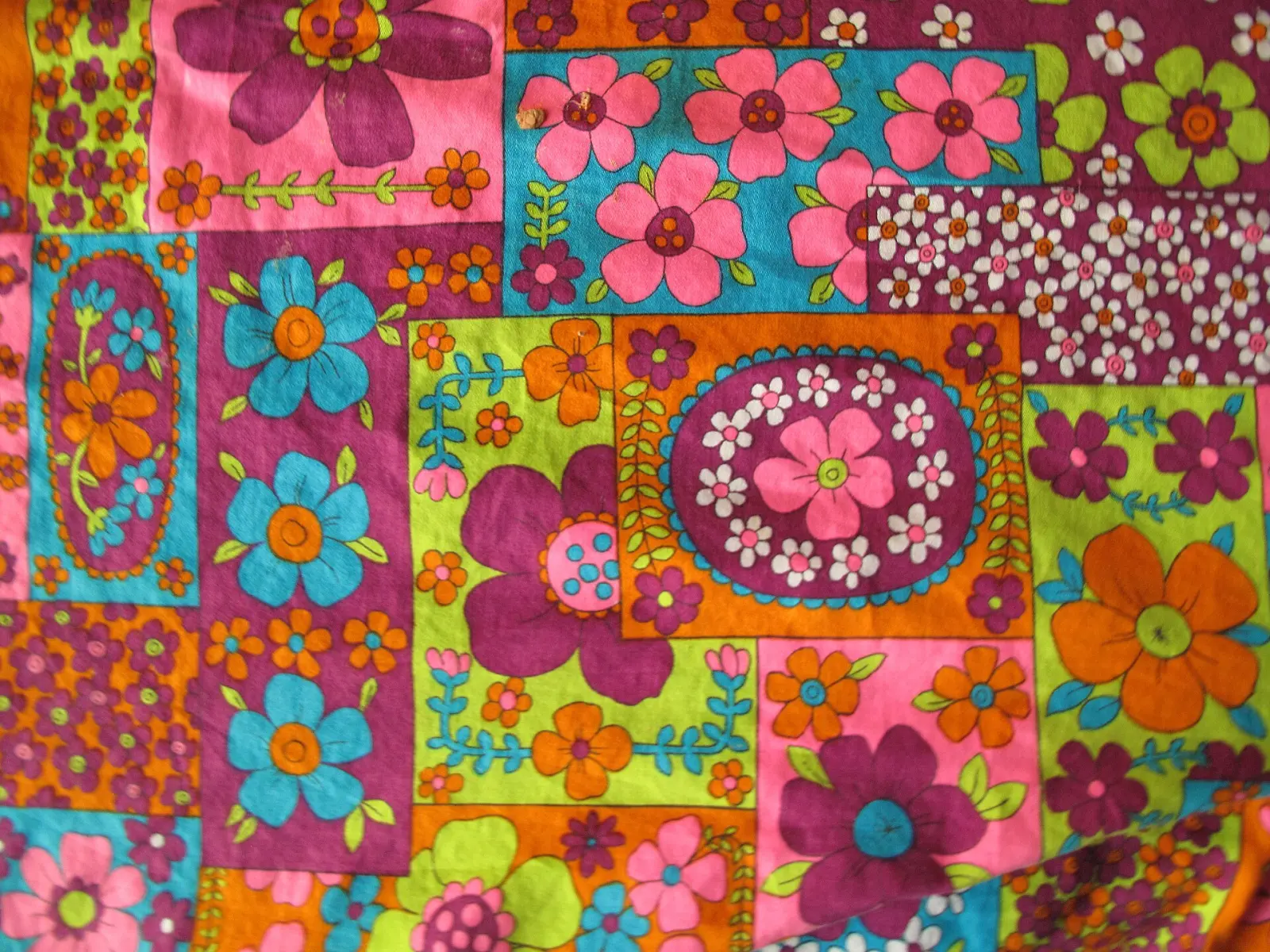
The influence of the 1960s was evident in the use of psychedelic prints and geometric patterns. These designs, which evoked the counterculture era, were incorporated by designers seeking to connect with the nostalgia of previous generations. Psychedelia was not just a visual theme but a cultural reference that added depth to fashion creations. Geometric patterns, on the other hand, added a visual structure that contrasted with the fluidity of psychedelic prints. This combination of elements created a rich and diverse aesthetic, allowing consumers to express different facets of their identity.
Leather and Bomber Jackets
Leather jackets and bomber jackets were also an integral part of 2000s fashion. Vintage leather jackets were reinvented with tighter cuts and metallic details, giving them a modern look without losing their classic essence. On the other hand, bomber jackets became an icon of urban culture, associated with music and hipster subculture. Both garments reflect the trend to reinterpret elements from the past to adapt them to current tastes. The versatility of these jackets made them suitable for different contexts, from the street to more formal events.
Sustainability and Circular Economy
Although it was not the central theme of 2000s fashion, sustainability began to gain visibility. Some collections started to repurpose old garments and promote circular economy principles. This approach not only responded to environmental concerns but also to an aesthetic that valued authenticity and the history of garments. The reuse of old clothing aligned with the retro trend, as it allowed incorporating elements from previous decades into new creations. This aspect of 2000s fashion suggests an evolution towards greater awareness of the environmental impact of the textile industry.
Legacy and Limits of Evidence
The legacy of 2000s fashion is complex and multifaceted. On one hand, it established trends that continue to influence the industry, such as the mix of retro and modern styles. On the other, it showed the capacity of fashion to adapt to cultural and musical changes. However, it is important to recognize the limits of the available evidence. Not all trends of the decade are exhaustively documented, and some interpretations may vary depending on the source. Moreover, fashion is a global phenomenon, and the trends described here may not apply uniformly to all regions. Despite these limitations, the 2000-2009 period offers a unique window to understand how popular culture influences aesthetics and design.
- Decade
- Contemporary
- Region
- Global
- Level
- Enthusiast
- Entities
- No linked entities
Sources and references
- Ocho hitos en la historia de la cronobiologíadoi.org · 2026-10-20
- 2000-2009 | Cronología de la historia de la modatranslate.google.com · 2026-10-20
- 60Sriunet.upv.es · 2026-10-20
- Un día como hoy en 1982, Kraftwerk conquista el Reino Unido ...www.facebook.com · 2026-10-20
- The Famees.wikipedia.org · 2026-10-20