Pac-Man takes only a moment to explain: move through a maze, eat the dots and avoid four ghosts. But its simple rules do not capture the full experience. Play depends on reading space, choosing routes and anticipating danger; directional control makes every junction a decision.
The joystick turns movement into planning
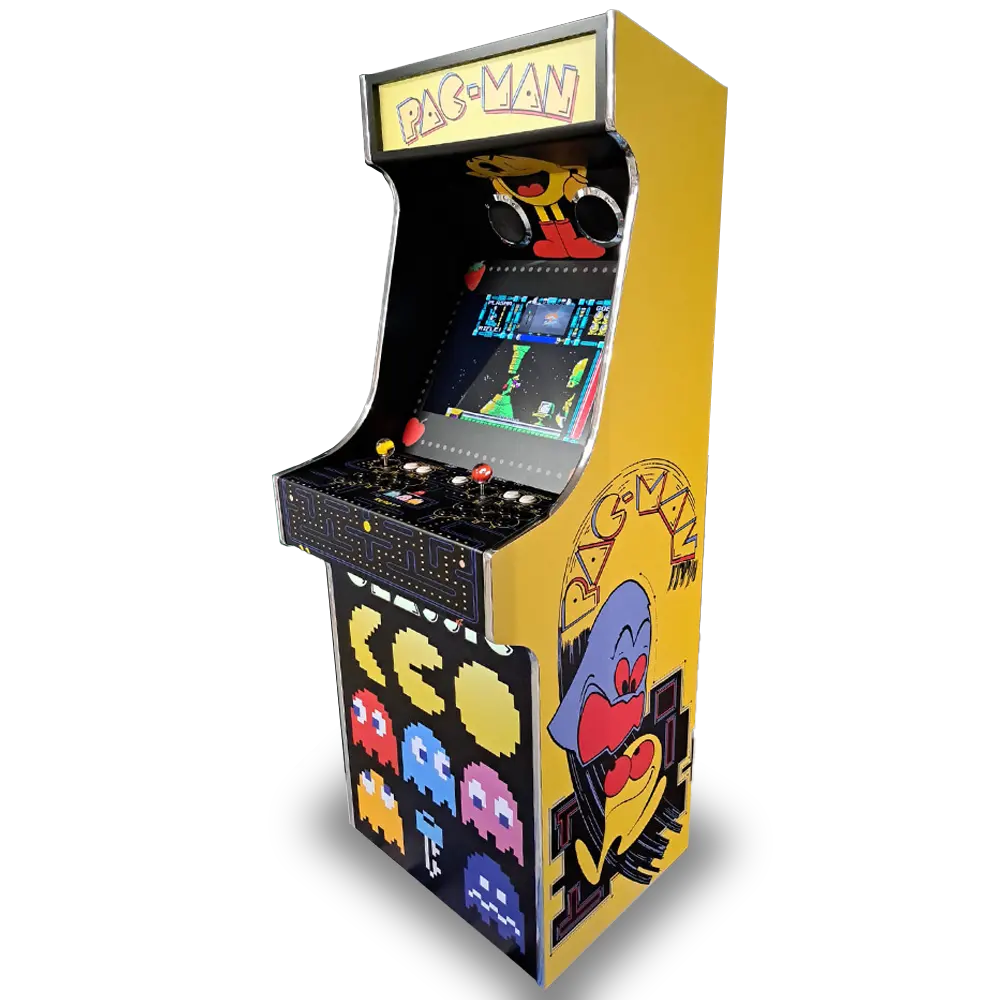
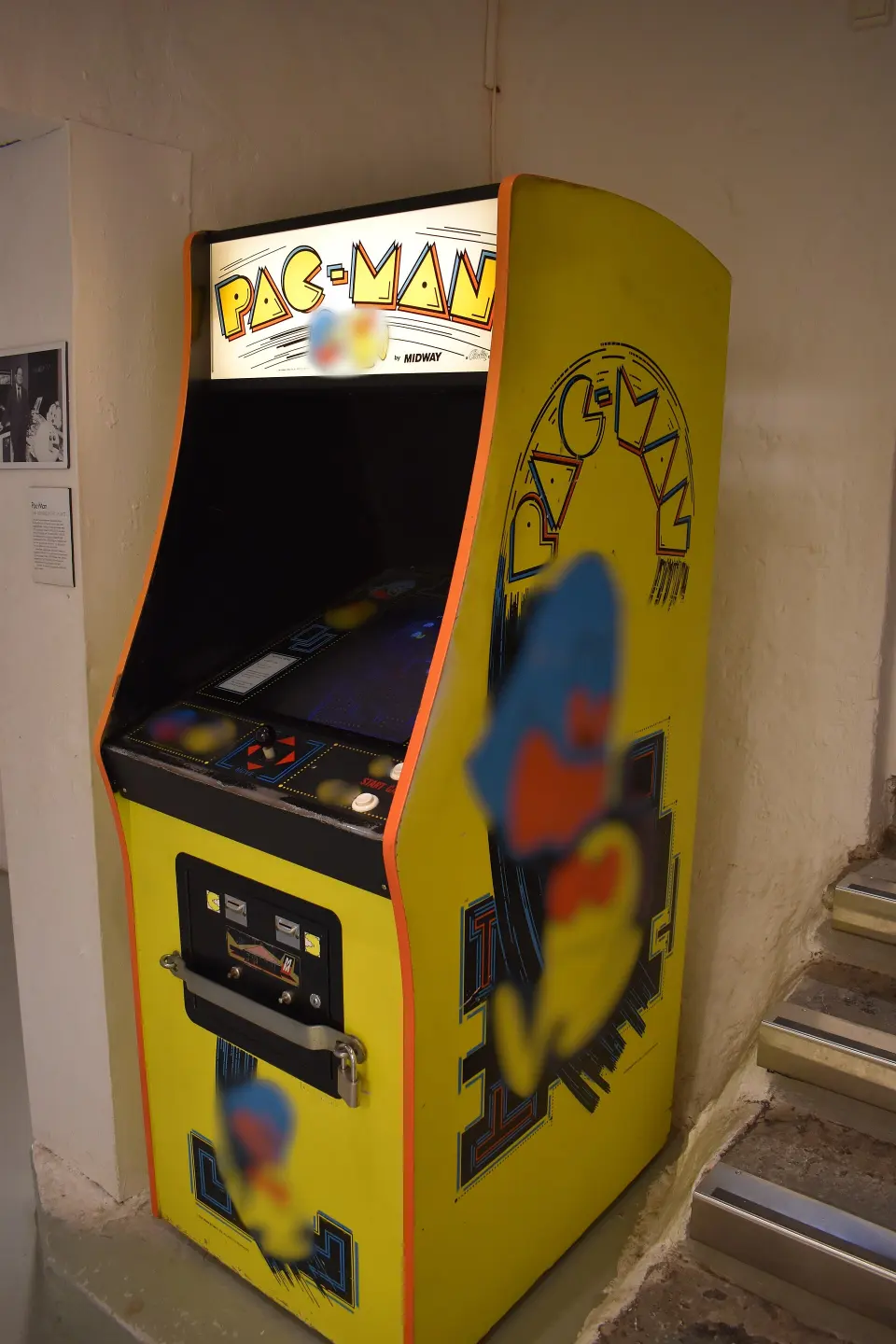
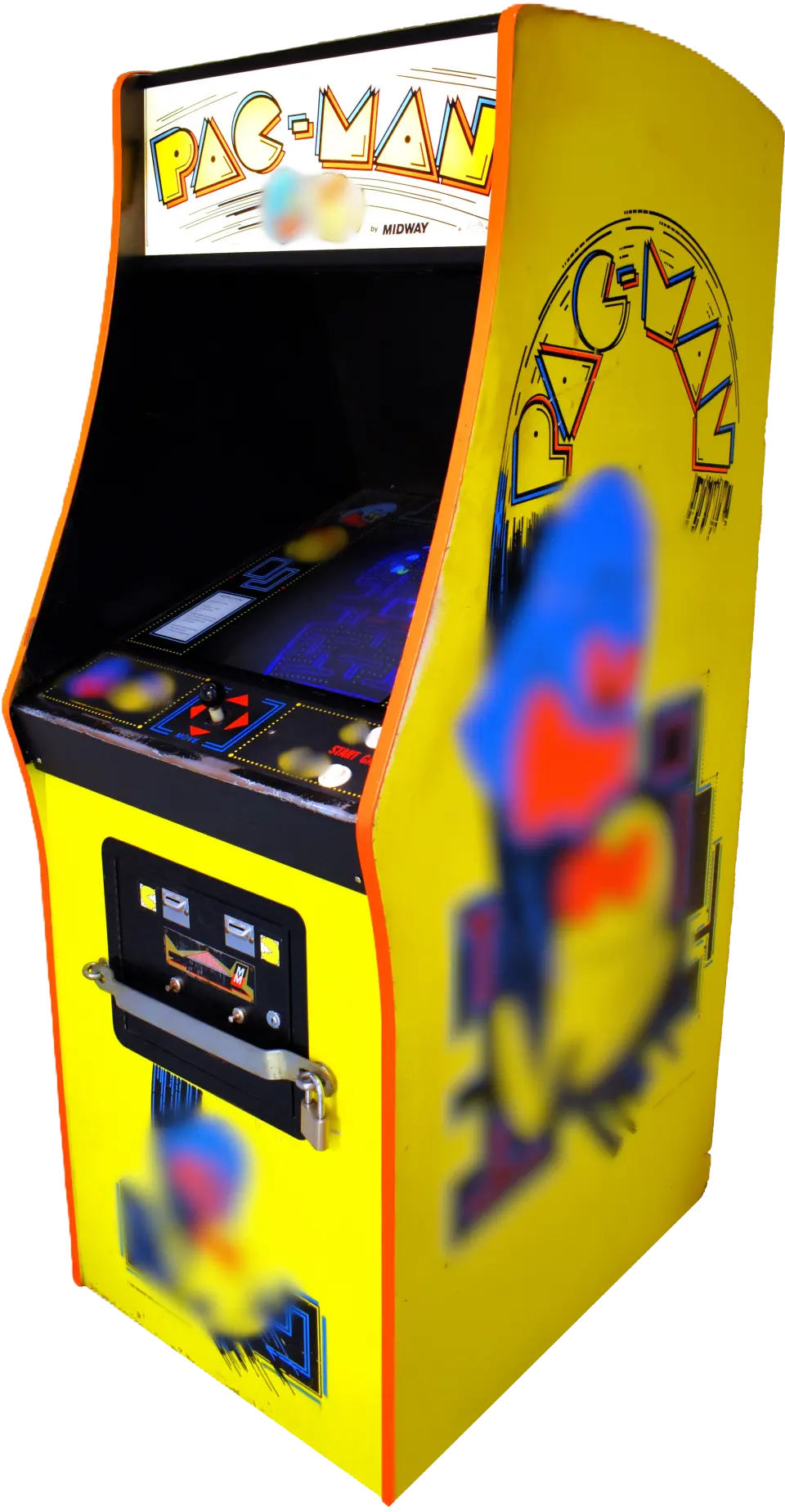
On the original arcade machine, a four-way joystick is enough to guide Pac-Man through the corridors. There is no button combination to learn. The challenge lies in deciding where to go and when. A route may collect dots, but it can also bring the player closer to a ghost or leave them without a clear escape.
Learning the layout changes the task. At first, attention is split between the corridors and the pursuers. With practice, the routes become familiar, leaving more room to focus on the ghosts’ positions, approaching intersections and possible ways out. Simple controls do not remove the difficulty; they place it in anticipation.
The maze is more than a backdrop. It organizes movement and requires the player to consider how one choice will shape the next. A late turn can close off an exit; another corridor may keep a route to safety open. The player controls Pac-Man’s direction, but not the pace or position of those chasing him.
The ghosts make familiar ground unpredictable
The four ghosts are not merely obstacles distinguished by appearance. Game descriptions emphasize that they behave differently, so the player is not facing the same threat repeated four times. They must read what is happening in the maze and adapt their route to the situation.
That difference is apparent even without knowing each enemy’s patterns in advance: the ghosts can apply pressure from different positions and force a change of course. Tension comes from the gap between what the player controls—Pac-Man’s movement—and what they must anticipate: where the pursuers are and how they are closing in.
The design also keeps a familiar space uncertain. Learning the map helps, but does not settle the game on its own; the chosen corridor matters while the ghosts are moving. Intersections are decision points, not just changes of direction.
Power Pellets reverse the roles
Power Pellets temporarily change the relationship between Pac-Man and the ghosts. For a short time, the player can chase and eat them. The maze and controls remain the same, but the corridors take on a different meaning: a route that once served as an escape can become an opportunity to counterattack and score points.
This role reversal gives the game rhythm without adding buttons or complicated rules. The player shifts from fleeing to taking advantage of the ghosts’ temporary vulnerability, then has to seek safety again when the effect ends. The decision is not only whether to collect a Power Pellet, but when to use it and how to move through the maze while it lasts.
The same junctions can therefore be either a threat or an opportunity, depending on the moment. The rule is immediately clear; making good use of it requires attention to the space and the pursuers’ positions.
A game that reads clearly on screen
Pac-Man was released to the Japanese public in July 1980 and reached the United States in October. The franchise’s official history places the first location test on 22 May that year and credits Toru Iwatani with planning, Toshio Kai with sound and Shigeo Funaki with programming. It also points to simple rules, intuitive controls and recognizable characters as part of the game’s appeal.
In an arcade, the action could be understood just by looking at the screen: a character moves through a maze, ghosts give chase and the dots show what needs to be collected. The joystick linked that image to direct action. Pursuit put pressure on every turn, making players think about their route rather than simply react to the next movement.
The game’s depth does not depend on a crowded control panel or a complicated set of actions. It emerges from the relationship between a recognizable map, threats moving through it and a resource that can reverse the chase for a limited time. Pac-Man made space and the timing of each move its central challenge.
Documentary gallery
- Decade
- 1980s
- Region
- Japan
- Level
- Enthusiast
- Entities
- Cuatro, Mappa, Pac-Man
Sources and references 6
- HISTORIA El sitio oficial de PAC-MANtranslate.google.com · 2026-11-13
- Pac-Man - Wikipedia, la enciclopedia librees.wikipedia.org · 2026-11-13
- La historia del Pac-Man, el videojuego japonés que ...www.lanacion.com.ar · 2026-11-13
- Cumple 45 años Pac-Man, "el padre de todos ... - DW Newswww.dw.com · 2026-11-13
- Pac-Man (1980): historia, creador, fantasmas y curiosidadesarcadeencasa.es · 2026-11-13
- Arcadees.wikipedia.org · 2026-11-13