For decades, interaction with the digital machine was a privilege reserved for those who mastered complex syntax and memorized file paths. The arrival of Windows 95 was not merely an operating system update, but a turning point that redefined the relationship between the user and technology. This article explores how the standardization of accessible graphical interfaces allowed home software to reach operational maturity, transforming the computer into a viable tool for daily life and not just for professional or academic environments.
The transition from command line to graphical environment
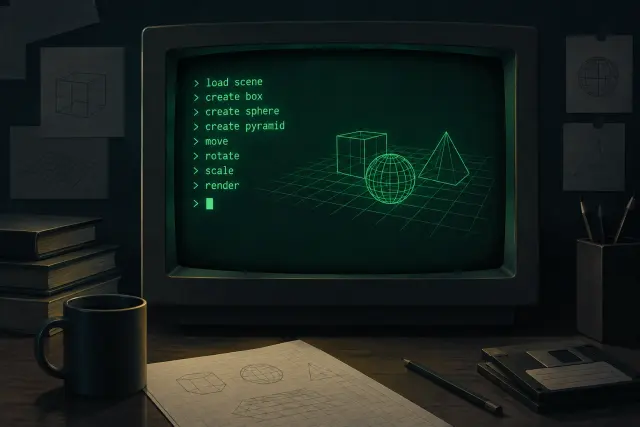
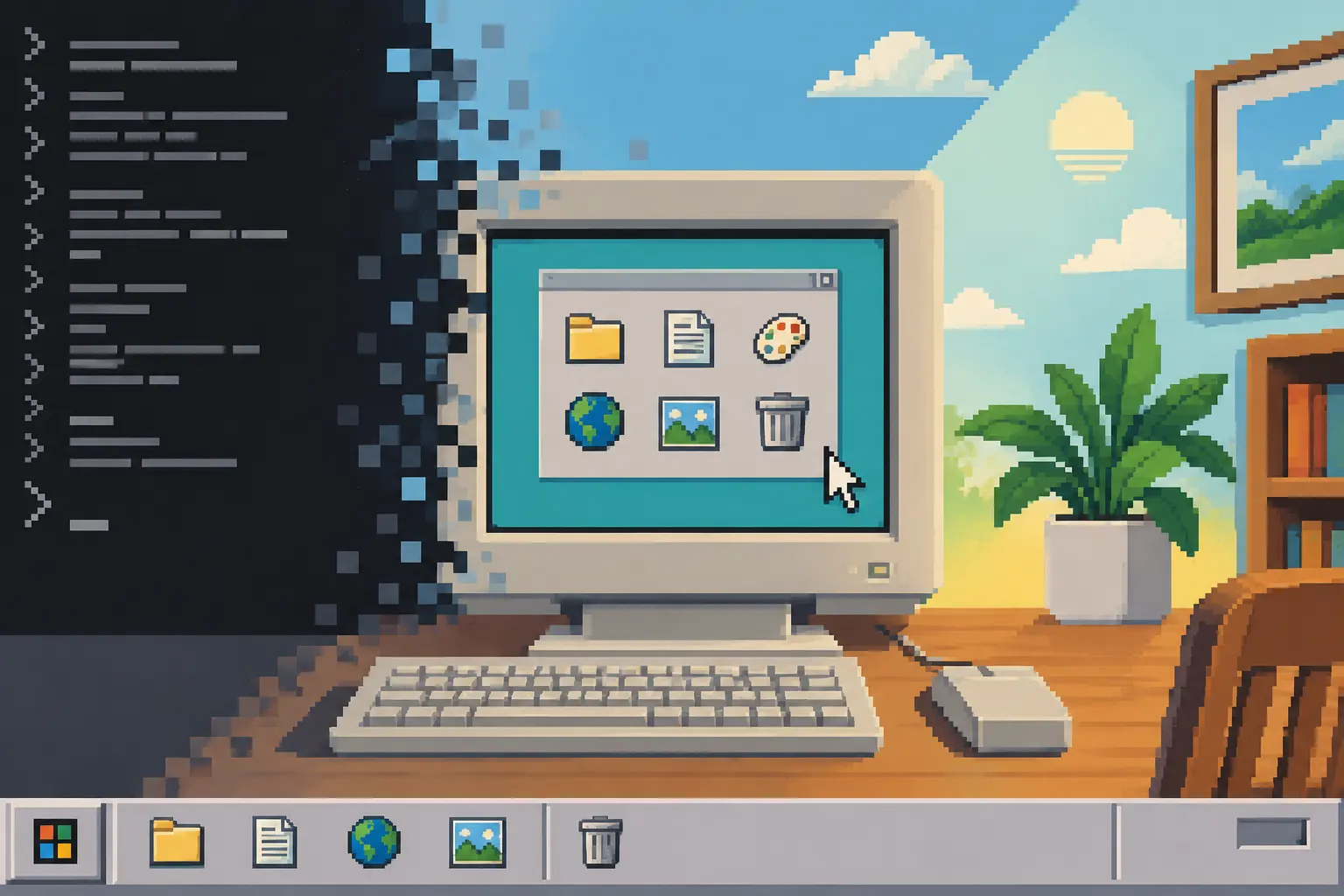
Until the late 1980s, most operating systems relied on the command line. Users had to type exact instructions to run programs, manage files, or configure hardware. This barrier to entry limited the mass adoption of technology. Historical evidence indicates that Windows 95 represented Microsoft's biggest announcement to date, consolidating the maturity of computer systems. The change was not only aesthetic; it implied a deep restructuring of interaction logic. Icons, drop-down menus, and the taskbar allowed learning to be based on visual association and exploration, reducing the need to memorize specific commands. This accessibility was the catalyst that allowed the integration of office tools and creative utilities into the home.
The cultural impact of the intuitive interface
The adoption of accessible graphical interfaces had a significant cultural impact. Technology ceased to be perceived as a cold and hostile object to become a medium for personal expression and productivity. Ease of use facilitated the creation of documents, the management of digital photos, and basic communication. This period documents how memory limitations and file formats evolved to support more complex applications, laying the foundations for the interfaces we use today. Digital culture began to form around these new possibilities, where the technical barrier was increasingly lower and user creativity, increasingly higher. The relationship with the machine became more fluid, allowing people without technical training to actively participate in the incipient digital economy.
The evolution of formats and memory
The rise of home software coincided with advances in resource management. Memory limitations that had restricted application development in previous decades began to yield to the increase in storage capacity and processing. File formats evolved to support richer multimedia content, allowing editing and office applications to gain complexity without sacrificing stability. This technical evolution was crucial for the maturity of software. It allowed tools to be more robust and versatile, capable of handling tasks that previously required specialized systems. The standardization of these formats also facilitated interoperability, a key factor for the mass adoption of technology in the home environment.
The consolidation of proprietary software
In this context, proprietary software, also known as closed-source software, became the dominant model for the home market. Unlike free software, which allowed the modification and redistribution of source code, proprietary software offered a polished user experience supported by large companies. This business model allowed companies to invest in research and development, creating more stable and user-friendly products. The relationship between the user and the software was based on the license of use, where the consumer acquired the right to run the program, but not to modify it. This legal and commercial structure was fundamental for the expansion of software in the home, guaranteeing a level of quality and support that amateur software could not offer.
The role of alternative operating systems
While Windows 95 dominated the home market, other operating systems like GNU/Linux began to gain ground in specific niches. GNU/Linux, a family of Unix-like operating systems composed of free and open-source software, emerged from the contributions of various projects, highlighting GNU and the Linux kernel. Although its adoption in the home was lower compared to Windows, its presence in servers and supercomputers laid the foundations for future innovations. The existence of alternatives like GNU/Linux demonstrated that technology was not incompatible with free code, offering an option for users who valued transparency and customization. This contrast between the proprietary model of Windows and the open model of Linux enriched the technological ecosystem, fostering competition and innovation.
The preservation of digital memory
The transition to accessible graphical interfaces not only changed how we used technology, but also how we remembered it. Digital culture began to accumulate files, documents, and creations that needed to be preserved. The obsolescence of formats and operating systems posed challenges for the conservation of this digital memory. The history of software in this stage shows that technology became more intuitive, allowing design and usability ideas to survive in current applications. The preservation of digital memory became a relevant topic, where the accessibility of interfaces facilitated the creation of files, but also complicated their long-term conservation. This aspect is crucial for understanding the evolution of digital culture and its impact on society.
Conclusion: Maturity as a legacy
The arrival of Windows 95 marked the end of one era and the beginning of another. The maturity of home software was not an isolated event, but the result of a convergence of technical, cultural, and commercial factors. The transition from complex interfaces to accessible graphical environments allowed technology to be integrated into daily life, transforming the way we work, create, and communicate. This legacy endures in the interfaces we use today, where usability and accessibility are fundamental principles. The history of this transition reminds us that technology is not just a tool, but a medium that shapes our culture and our relationship with the digital world.
- Decade
- 1990s
- Region
- Global
- Level
- Introduction
- Entities
- GNU/Linux
Sources and references
- Historia del softwaretranslate.google.com · 2026-10-21
- Momentos destacados en la historia de Microsoftnews.microsoft.com · 2026-10-21
- Proprietary softwaredbpedia.org · 2026-10-21
- Linuxdbpedia.org · 2026-10-21
- GNU/Linuxes.wikipedia.org · 2026-10-21