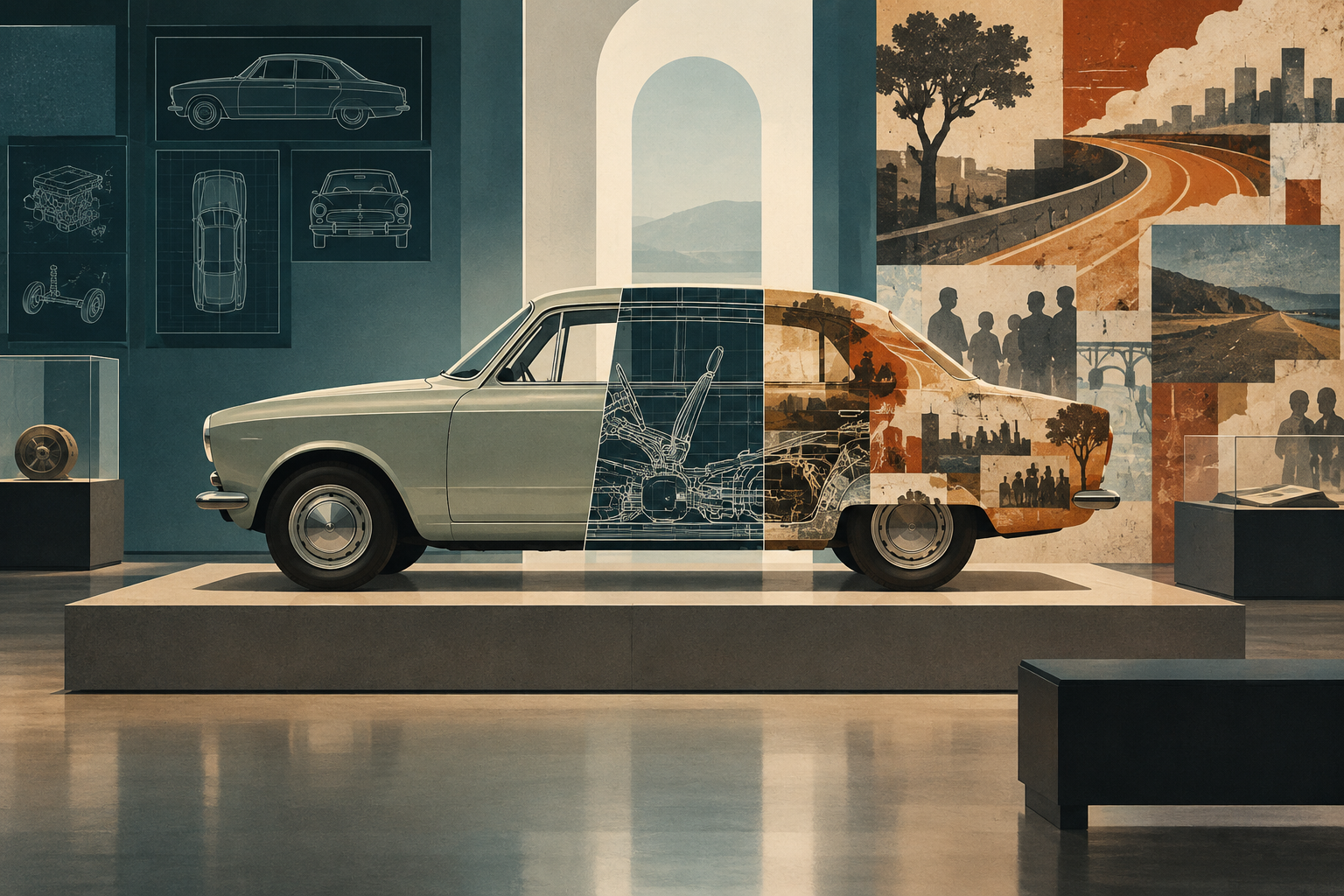
The reconstruction of history in Latin American urban spaces has evolved from an official narrative to a community practice that values local experience. This paradigm shift positions the neighborhood not merely as a geographical container, but as a living archive where documentary sources, photographs, and oral testimonies converge. Recent academic evidence, centered on the 1990s and its subsequent developments, suggests that this methodology allows for an understanding of everyday life as a field of study where the material and the immaterial intertwine to define belonging.
The distinction between historian and chronicler
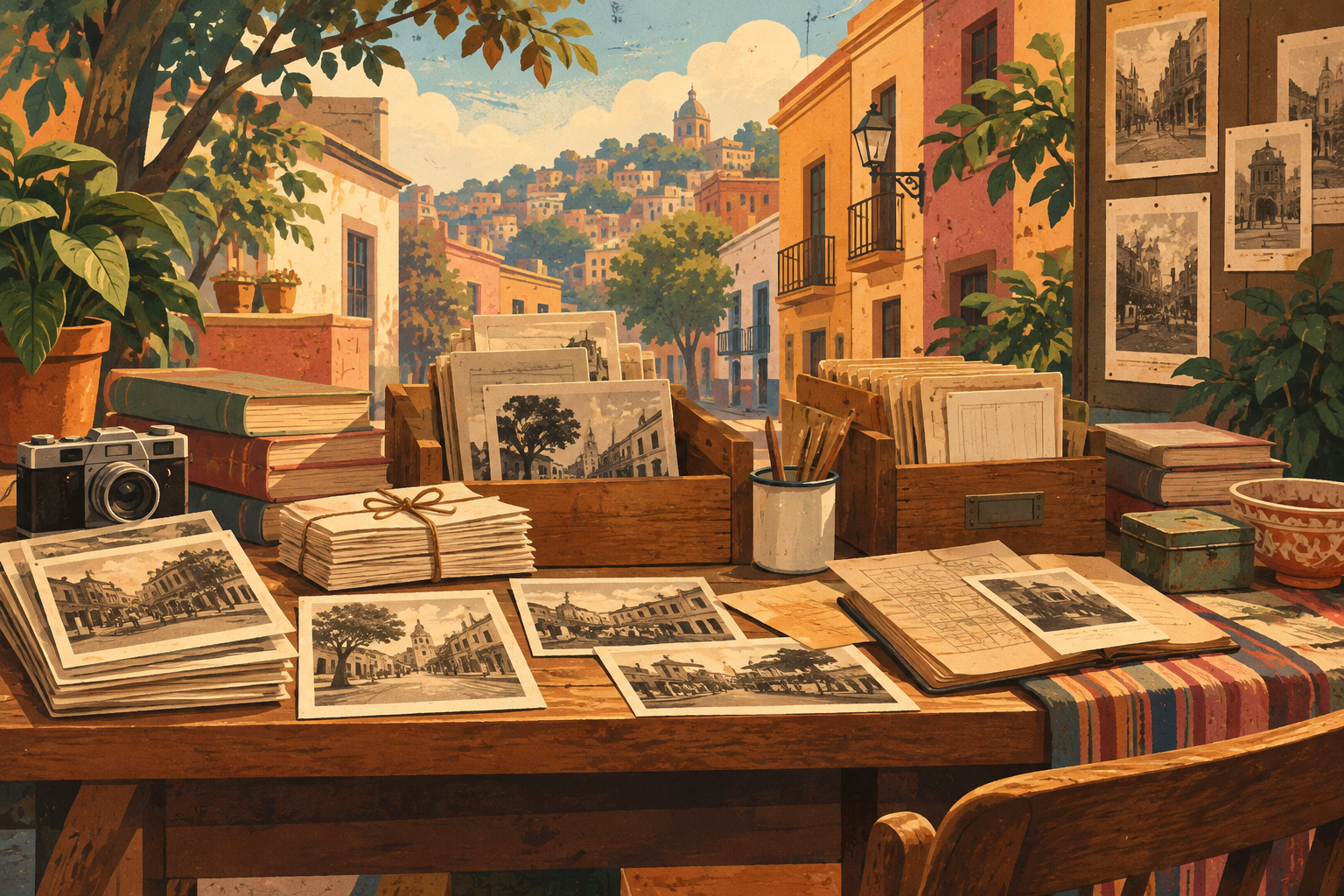
One of the most significant contributions of neighborhood historian gatherings is the precise terminology that separates two fundamental roles. The "neighborhood historian" is defined as the collector of sources, photographs, and objects from the neighborhood of belonging. Their work is technical and preservation-oriented, focused on maintaining physical evidence. On the other hand, the "neighborhood chronicler" is dedicated to collecting anecdotes and oral narratives. This differentiation is crucial because it establishes a framework for validating collective memory, preventing the anecdote from being confused with the historical document without losing the richness of the popular voice.
The neighborhood as a space of active memory
Projects such as Identity and History in Barrio República, developed in the context of the National University of La Plata, illustrate how the reconstruction of local narratives is reflected through different devices. In these spaces, the community is not passive; it actively participates in defining its own history. This dynamic transforms the neighborhood into a space of active memory, where its own historical events are constantly reinterpreted. The initiative demonstrates that local identity is built through the interaction between formal records and the experience lived by the inhabitants.
The value of family archives
In cities like Tijuana, family archives have emerged as key tools for reconstructing everyday history. Cases like Cartolandia, described as a symbol of need, resistance, and hope for migrants, show how private collections of photographs and documents allow tracing the evolution of social habits. These archives do not seek to generalize, but to contextualize the specific practices of each group. Family documentation offers an intimate perspective that complements institutional sources, allowing for a more nuanced analysis of the neighborhood's social structure.
Primary sources and social structure
The study of everyday life requires the analysis of primary sources such as school documents and family photographs. These elements allow tracing the evolution of habits and the social structure of the neighborhood over time. Academic research, such as that conducted by M. Saccone on conceptions of everyday life in specific neighborhoods, highlights the importance of working with tangible documentation. By examining these artifacts, researchers can identify patterns of behavior and changes in community dynamics that are not visible in macro-historical narratives.
The validation of collective memory
The validation of collective memory depends on the interaction between documentary evidence and oral narrative. The neighborhood historian provides the solidity of objects and documents, while the chronicler provides the fluidity of oral tradition. Together, these two strands create a more robust and truthful account. This methodological approach is fundamental for addressing the diversity of experiences in urban spaces, recognizing that memory is not static, but a continuous process of negotiation between the past and the present.
Implications for social cohesion
The reconstruction of these local histories allows for an understanding of how inhabitants interpret their environment. Memory becomes a resource for social cohesion, strengthening community bonds and providing a sense of shared identity. In a context of rapid urbanization, these neighborhood archive projects serve as anchors of stability, allowing communities to maintain a connection with their past while navigating the changes of the present. The history of everyday life, therefore, is not just an academic exercise, but a tool for social integration.
Limitations and challenges of documentation
Despite its value, neighborhood documentation faces significant challenges. The preservation of objects and photographs requires resources and specialized knowledge that are not always available in communities. Furthermore, the selection of which sources to preserve and which narratives to tell is subject to biases and particular perspectives. The distinction between historian and chronicler helps mitigate these risks, but it does not eliminate the need for critical reflection on the processes of selection and validation. The challenge remains to maintain the integrity of memory without falling into idealization or the omission of internal conflicts.
- Decade
- 1990s
- Region
- Latin America
- Level
- Introduction
- Entities
- No linked entities
Sources and references
- Reconstruir las historias de vida, de comunidad, de barrio...www.mineducacion.gov.co · 2026-10-17
- Historia de la vida cotidiana en Colombiawww.bibliotecadigitaldebogota.gov.co · 2026-10-17
- PROYECTO Identidad e Historia en Barrio República de la ...www.unl.edu.ar · 2026-10-17
- LAS FUENTES PARA EL ESTUDIO DE LA VIDA COTIDIANAdoi.org · 2026-10-17
- 📸 Archivos familiares reconstruyen la historia cotidiana de ...www.facebook.com · 2026-10-17
- Encuentro de historiadores barrialesbidce.org · 2026-10-17
- CONCEPCIONES SOBRE LA VIDA COTIDIANA EN UN ...dialnet.unirioja.es · 2026-10-17