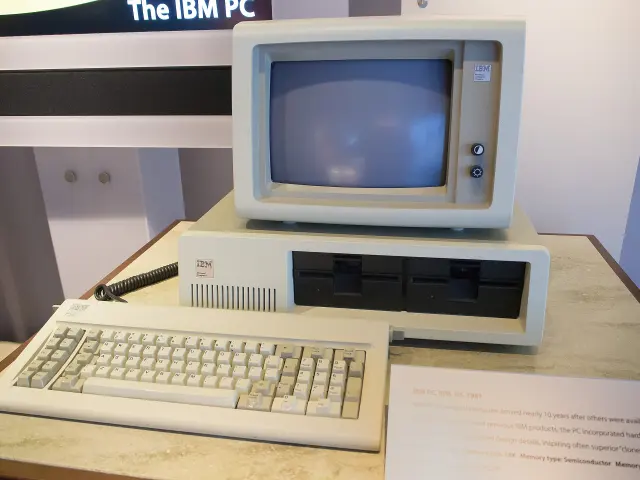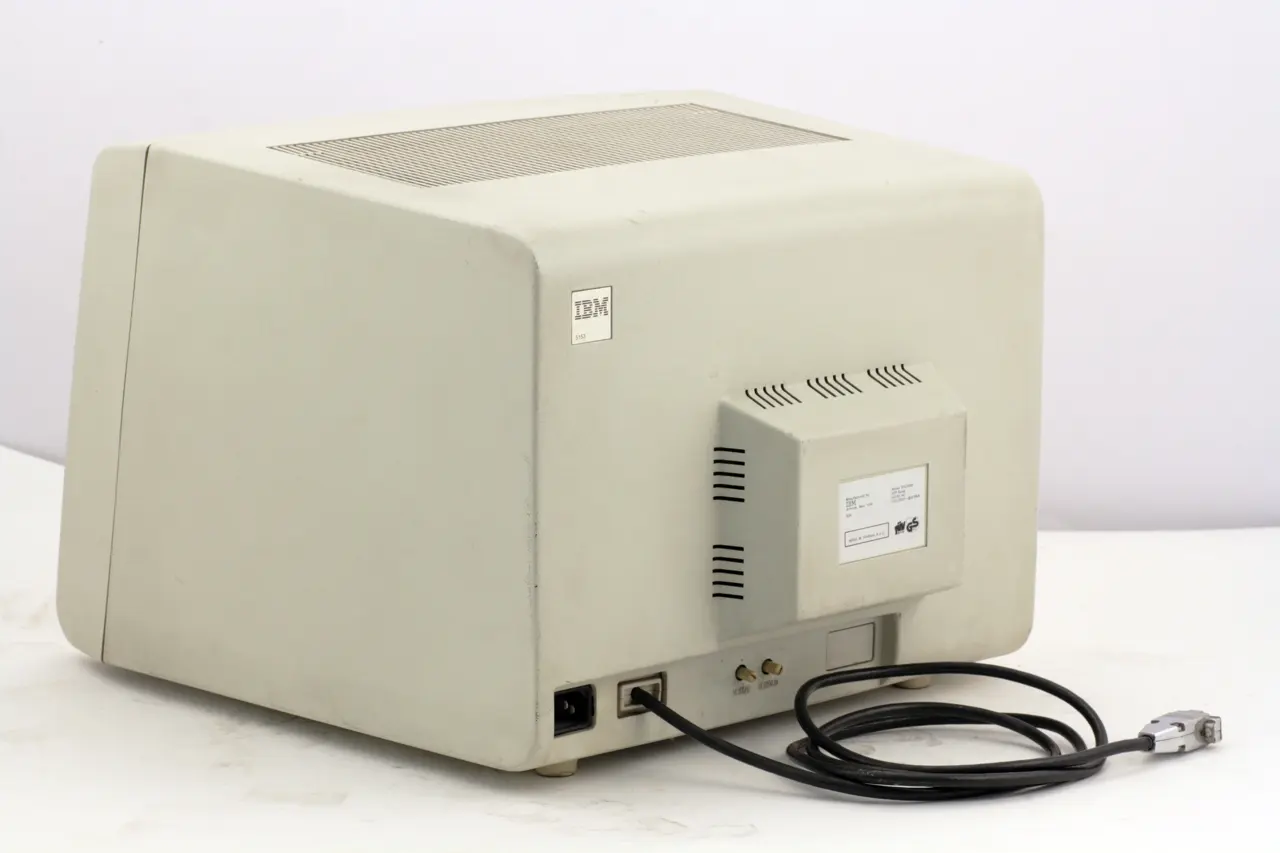
On August 12, 1981, at the Waldorf Astoria hotel in downtown Manhattan, IBM officially presented its new product for the nascent personal computer market. This event was not merely a commercial launch but a turning point that reconfigured the trajectory of the technology industry. The IBM PC quickly became a de facto standard, a reference that influenced computer design and adoption for decades. The choice of this location and specific date marks the beginning of an era where computing ceased to be exclusive to large corporations and entered offices and homes.
Internal Origin of the Decision
The creation of the IBM PC did not arise from a division specialized in microcomputers, but from the General Products Division. This IBM unit traditionally focused on minicomputers and the successful typewriter business. The decision to build a small computer within this structure reflects the company's strategy to adapt to new market demands. By placing the project in a division that already handled consumer and office products, IBM sought to integrate the new technology into its existing portfolio, leveraging its distribution infrastructure and corporate reputation.
Market Context in 1981
At the time of the presentation, the personal computer market was in a formative stage. Other manufacturers already existed, but the IBM PC positioned itself as a robust and reliable option for the business sector. The presentation at the Waldorf Astoria, a luxury hotel in Manhattan, underscored the importance IBM placed on this product. It was not a niche gadget, but a serious work tool. IBM's marketing strategy and distribution allowed the equipment to achieve massive adoption in businesses, establishing a user base that other competitors would take years to match.
Architecture and the De Facto Standard
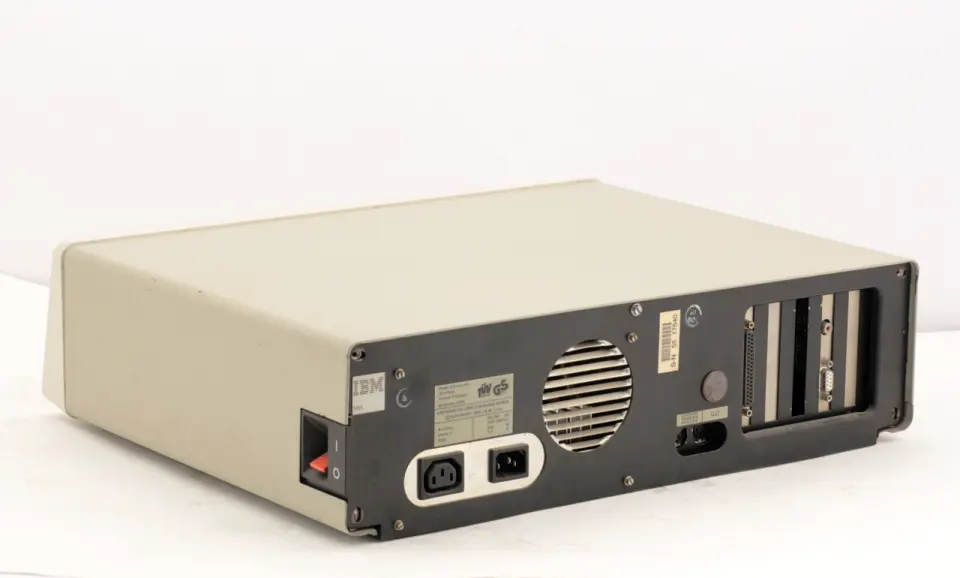
The IBM PC became a de facto standard due to its open architecture and the ability of third parties to develop compatible software and hardware. IBM's decision not to completely close its system allowed a development ecosystem that expanded the utility of the equipment. This approach contrasted with other more closed models of the time, facilitating interoperability and the expansion of the software market.
Impact on the Technology Industry
The adoption of the IBM PC transformed the competitive dynamics in the industry. By becoming the reference, the IBM PC established performance, connectivity, and software parameters that other manufacturers had to follow or surpass. The influence of this model extended beyond hardware, also affecting the development of operating systems and applications. IBM's presence in the personal computer market reinforced its position as a technology leader, although it also attracted new competitors seeking to exploit the weaknesses of the dominant model.
Loss of Market Share
Although the IBM PC initially won the market, its subsequent loss of market share is a topic of study that reveals the dynamics of competition and innovation. Available evidence indicates that, over time, other manufacturers and models began to offer more competitive alternatives in price or functionality. This change was not immediate, but it demonstrated that the leadership position was not permanent. The adaptability of the technology industry allowed new players to emerge and challenge IBM's initial dominance in the personal computer segment.
It is important to note that this analysis is based on documented facts about the presentation and initial impact of the IBM PC. No speculation is included regarding later events not verified in the sources. Information about the loss of market share is mentioned as an observed phenomenon, but specific causes and exact dates of this change are not detailed. This approach ensures the rigor of the analysis and avoids the introduction of unconfirmed data.
Conclusion
The presentation of the IBM PC at the Waldorf Astoria in 1981 was a key moment in technology history. By turning a product from the General Products Division into a de facto standard, IBM redefined the personal computer market. The company's strategy, based on integrating new technology into its existing structure, allowed massive adoption that influenced the industry for decades. Although the IBM PC eventually lost market share, its initial impact and its role in the standardization of personal computing remain fundamental to understanding the evolution of modern technology.
Documentary gallery
- Decade
- 1980s
- Region
- North America
- Level
- Introduction
- Entities
- IBM PC
Sources and references
- 40 Empresas en el mercado de computadoras refinadas y ...www.sphericalinsights.com · 2026-10-19
- Cómo el IBM PC ganó y luego perdió el mercado de las ...translate.google.com · 2026-10-19
- Sonyes.wikipedia.org · 2026-10-19
- Macintoshes.wikipedia.org · 2026-10-19
- Acer Inc.es.wikipedia.org · 2026-10-19