A comic can begin as something meant to pass from reader to reader and later become part of a collection. That transition is more than material. It changes how the work is approached and raises questions about what preservation protects: the paper, a particular edition, a reading sequence, or traces of circulation as well. The evidence available establishes the terms of those questions, but does not answer them through specific conservation case studies.
From ephemeral publication to heritage
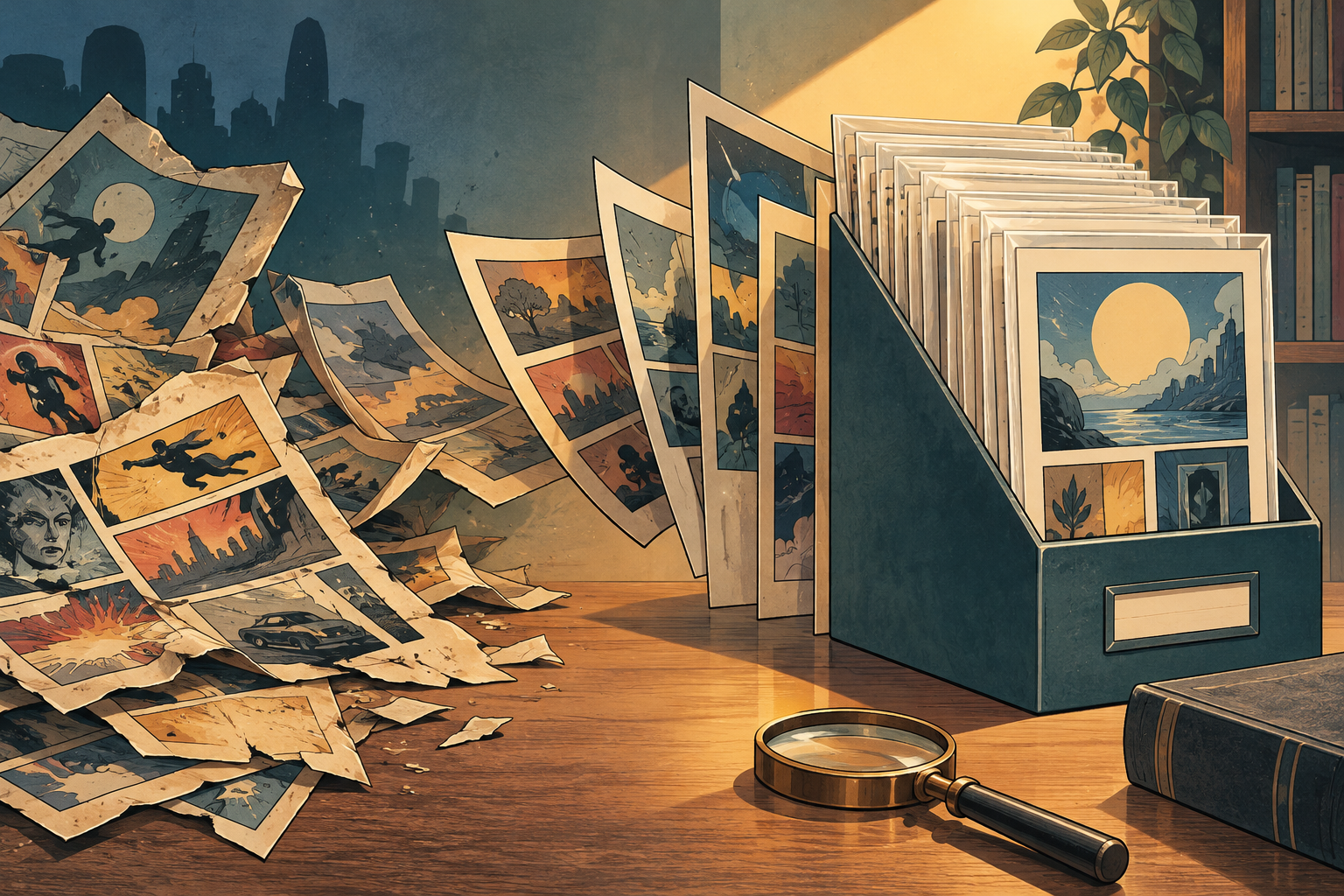
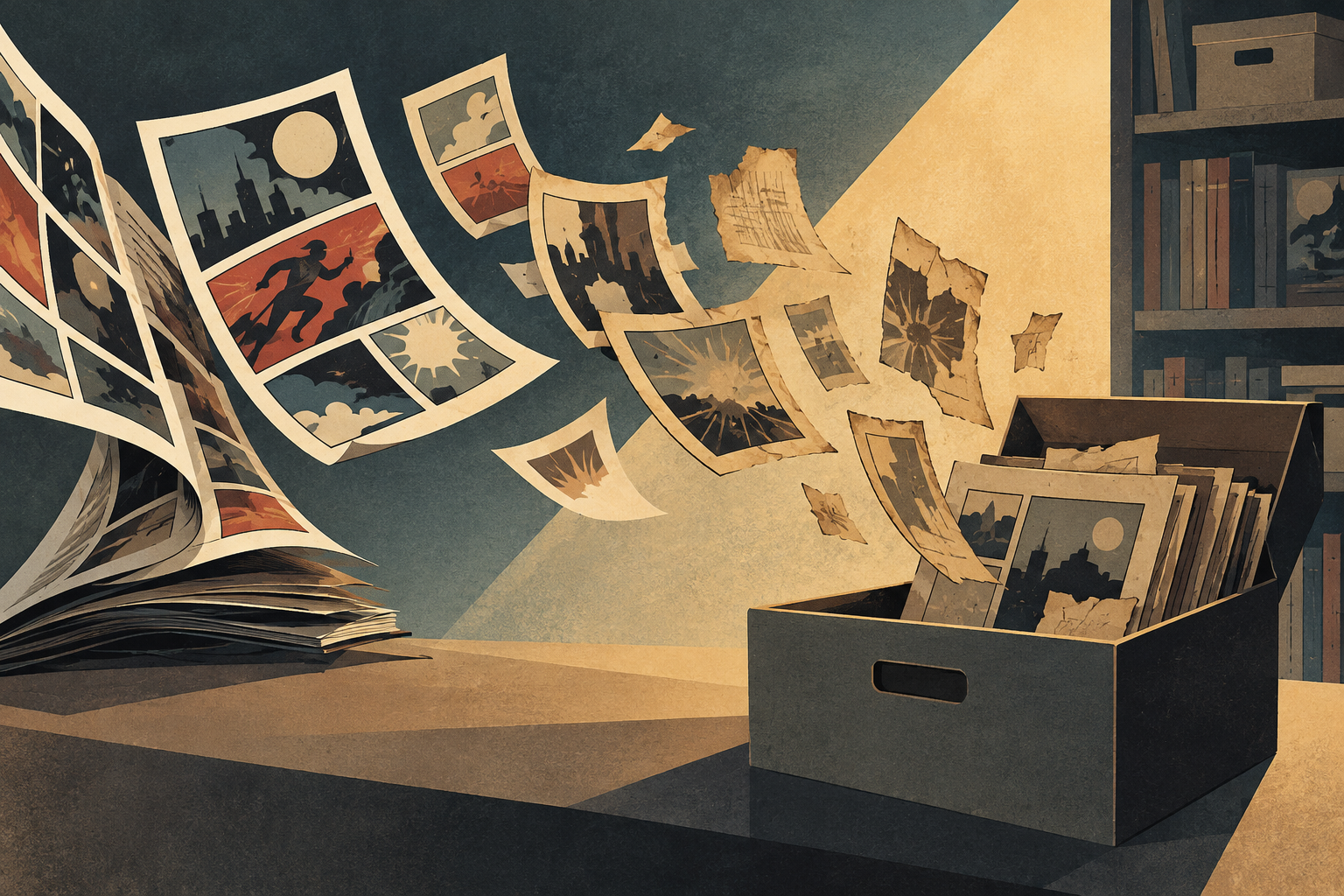
A University of La Laguna study describes comics, in their origins, as publications intended to be read and discarded. This is a broad characterization, not a rule that applies to every work or reader. It points to a significant tension: a medium that could be designed for everyday consumption may later acquire historical and cultural value.
An event announced by La Regenta, featuring academics Álvaro Pons and Julio Gracia, presents comics as cultural and artistic heritage and emphasizes the importance of preserving them. Preservation is therefore not simply a neutral or automatic operation. It involves recognizing that these materials may matter beyond their first context of reading.
Format shapes the encounter
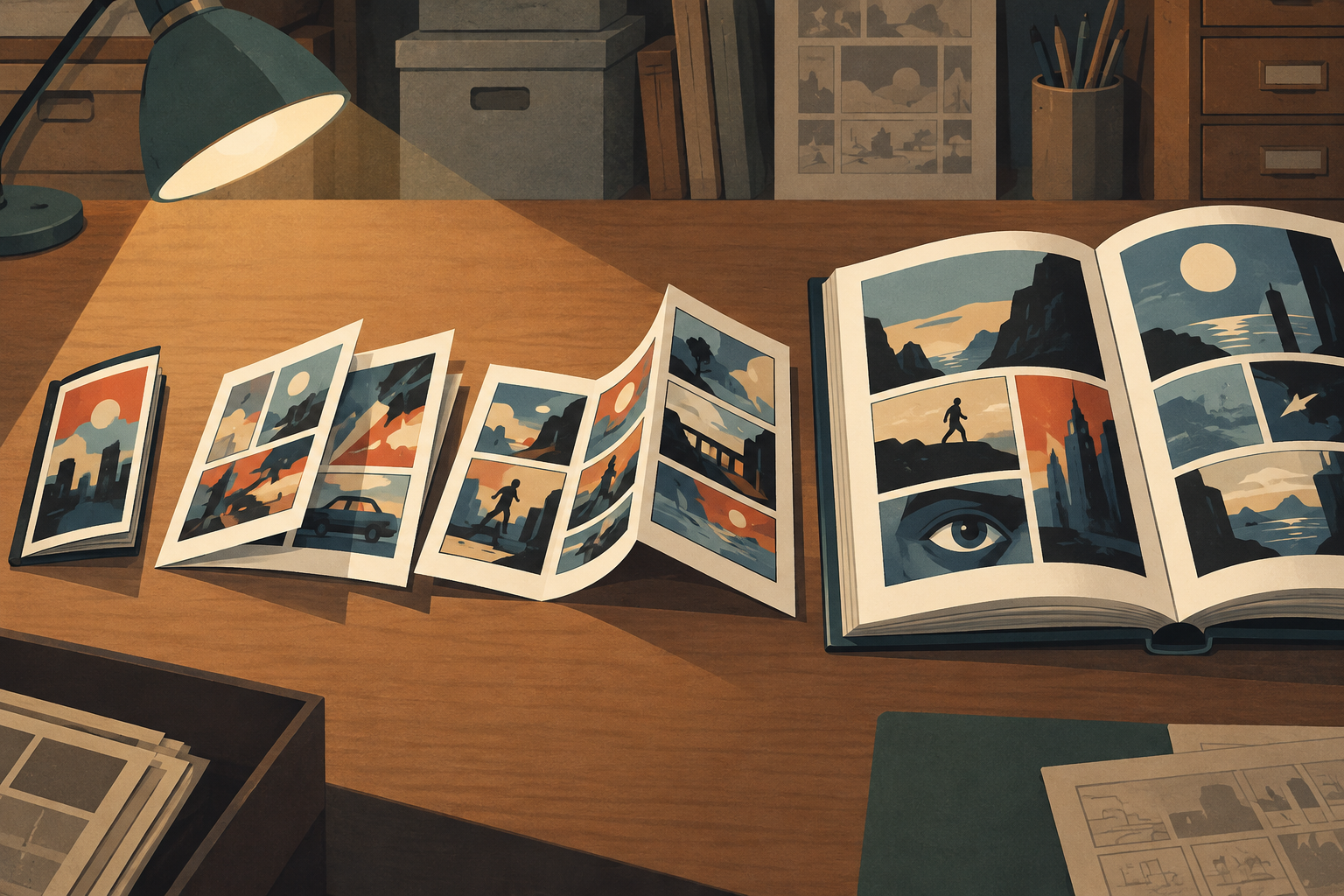
Editorial form participates in the reading experience. A magazine, fanzine, mini-comic, album, or graphic novel is not an interchangeable container: format can affect scale, sequence, and the context in which panels are read. Rubén Varillas’s article “El cómic, una cuestión de formatos” addresses magazines, fanzines, mini-comics, albums, and graphic novels. The evidence identifies its subject but does not support attributing more detailed arguments or conclusions to it.
This range invites a distinction between preserving a story and preserving the editorial form through which it reached readers. A work can be read in different editions, but the material provided offers no specific cases and cannot establish how particular editorial choices changed a comic. Format is therefore a framework for analysis, not a claim about any one edition.
Reading in a new context
When a publication enters a collection, its relationship with readers can change. The copy is no longer tied only to its initial circulation; it also becomes an object to consult, study, or preserve. Attention may turn to features that everyday reading did not emphasize: the edition, the arrangement of pages, or the publication form to which it belongs.
This shift does not prove that the original experience disappears, nor that a collection faithfully reproduces it. More modestly, it suggests that later access depends on which materials have survived and how they are presented. The available sources support the importance of collections and preservation, but provide no individual circulation histories that could reconstruct how particular readers encountered a work.
Exhibiting and preserving
Exhibitions are another way comics can be presented as cultural objects. The evidence includes a study of the history and global context of comic exhibitions, whose summary notes that exhibitions have existed since the medium’s beginnings, even if they can seem like a recent practice. It also identifies an article titled “Los desafíos del museo en el cómic,” published in a journal between 2011 and 2012. These details show that the relationship between comics, exhibitions, and museums has been examined, but they are not enough to specify the works’ arguments.
Exhibiting and preserving are related but distinct activities. An exhibition organizes an encounter with material; preservation aims to keep it available. Without information about particular practices, it is not possible to say which procedures are used or how the material demands of different formats are addressed. What can be verified here is the existence of discussion about comics as heritage and their public presentation.
What the evidence supports
The picture is clear in a limited sense. A university study describes the originally ephemeral status attributed to comics; an institutional announcement emphasizes their cultural and artistic value and the need to preserve them; and an academic article identifies format as a subject of study. The evidence also places exhibitions and museums within discussion of the medium.
It does not document conservation protocols, acquisition policies, editorial changes to specific works, or detailed reader histories. Nor does it show that all comics were made to be discarded, or that archiving preserves the original experience unchanged. Keeping these limits visible prevents a cultural question from turning into a material history the evidence cannot support.
Memory begins with format
The move from everyday use to collection changes the comic’s place without erasing its status as a publication. Format helps explain how it was organized and reached readers; preservation makes later access possible, though it cannot necessarily reproduce the conditions of the first reading. The practical conclusion is straightforward: understanding comics as heritage means attending both to the work and to the edition that circulated it, while distinguishing established facts from questions still requiring research.
- Decade
- 2000s
- Region
- Spain
- Level
- Enthusiast
- Entities
- Rubén Varillas
Sources and references
- El cómic, una cuestión de formatos (2): revistas de cómics, fanzines, mini-cómics, álbumes y novelas gráficasdoi.org · 2026-10-16
- Del archivo al lector: el valor de las colecciones de cómiclaregenta.org · 2026-10-16
- (PDF) Las exposiciones de cómics. Historia y contexto globalwww.researchgate.net · 2026-10-16
- Los desafíos del museo en el cómicwww.zubiaurcarreno.com · 2026-10-16
- coleccionismo y conservación del cómic en estados unidos ...riull.ull.es · 2026-10-16