Time changes the image
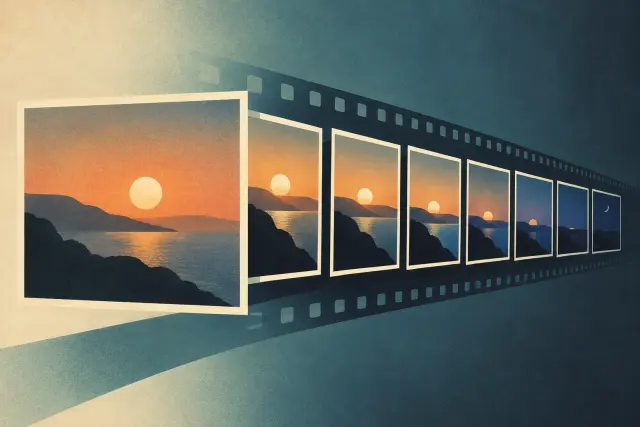
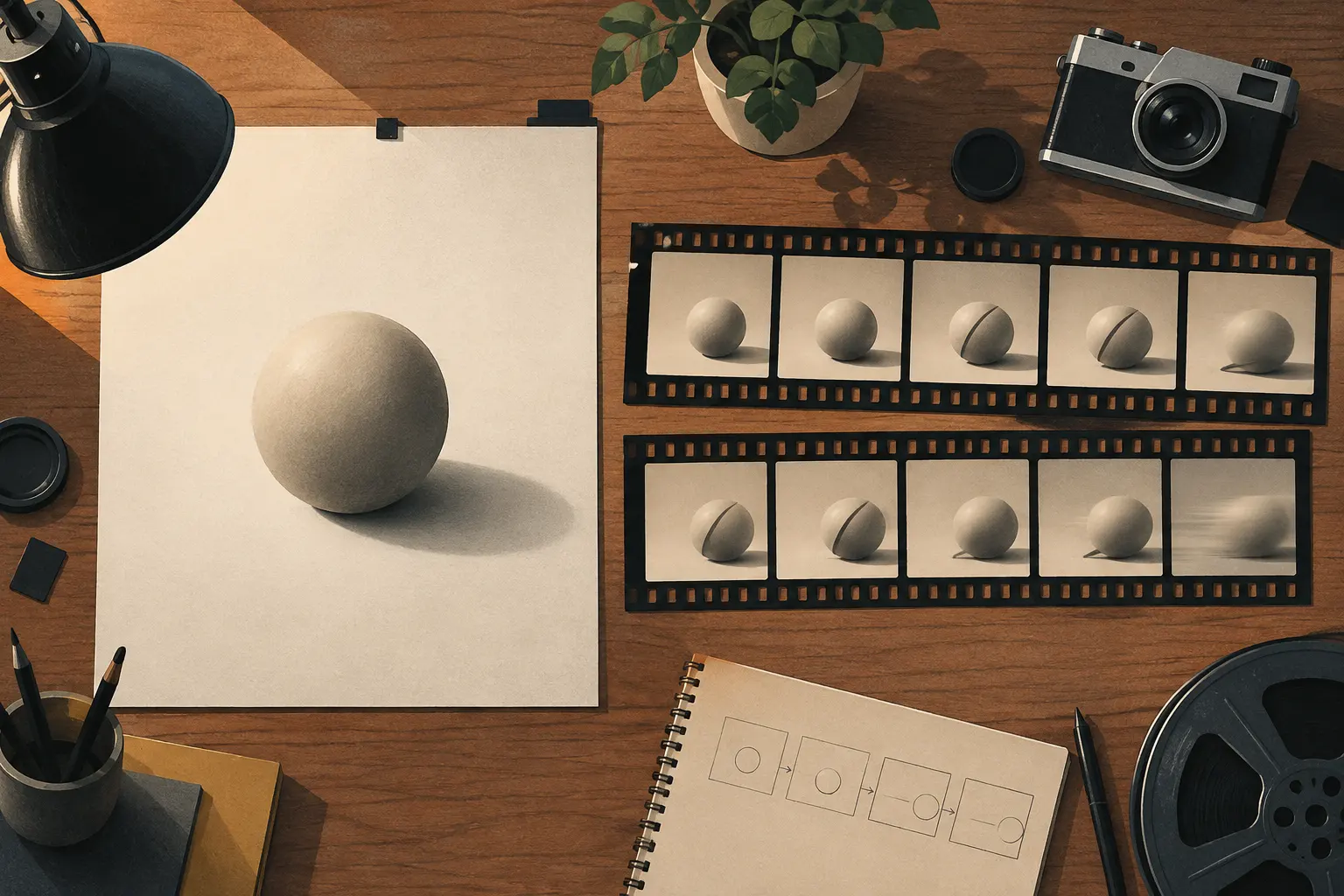
A product photograph fixes a choice: what to show, from which viewpoint, under what light and at what instant. In video, those same decisions can change while the camera is recording. The subject moves, the camera draws closer, the light evolves and the framing shifts. The difference is not simply that one image moves: video organizes change over time.
In his analysis of the relationship between photography and video, Antoni Marín Amatller notes that the two media share resources such as composition, shot planning, lighting and color treatment. But these resources become dynamic in moving images. A photographic composition is fixed in the final image; a video shot can begin with the product at one edge of the frame and end with it somewhere else. The visual decision then encompasses not only where elements are placed, but how they change.
From object to sequence
A photograph can stand on its own: the product on a neutral background, placed in a setting, shown in detail or in use. A series can bring together different views, while each image retains the ability to present the object independently. EVENTECH’s guide to launch photography distinguishes neutral-background, lifestyle, detail, in-use and variant shots, intended for channels such as online shops, catalogues, advertising and press.
Video usually creates meaning through a sequence. A wide shot can establish the object; a closer one can emphasize its texture; a demonstration can show how it is used. The order and duration of shots direct attention and create rhythm. Marín Amatller describes editing as selecting and arranging excerpts from recorded takes to shape the audiovisual work. Each shot therefore belongs to a larger whole: it is not merely an independent image appearing after another.
Rhythm does not depend solely on the length of each shot. It can also emerge from changes within the shot: the movement of the camera or product, shifts in framing and changes in light. Planning a product video therefore means considering not only what will be seen, but what will change and how one shot will lead into the next.
Purpose determines what to produce
For a catalogue or online shop, the priority may be to show the product and its variants clearly and consistently. Launch coverage involves other elements: the presentation, the venue, guests interacting with the product and significant moments from the event. EVENTECH distinguishes these tasks by purpose and timing: product images are prepared before the launch; event coverage records what happens during it, while real-time content requires fast selection and delivery.
That distinction shapes preparation. A shot list helps establish which images are needed, which formats will be delivered and where they will be published. For video, the brief should also specify which actions or changes will be shown and how the shots will relate to one another. EVENTECH recommends defining image uses and rights in advance; a launch production can also specify the moments to cover and the delivery schedule.
Event coverage can combine photography and video without asking them to do the same job. A photograph can record a particular instant—for example, the product reveal—while a sequence can show how the presentation unfolds or how people interact with the object. The choice depends on what information needs to be preserved and how it will be used later.
The camera does not decide the visual language
Modern cameras make it easy to switch between still photography and video, but having both functions does not amount to mastering their different forms of expression. Marín Amatller cautions that a device’s ease of use does not guarantee command of each medium’s specific skills. Photography concentrates decisions in individual images; video also requires work on continuity, changes within the shot, duration and editing.
This does not make one medium better than the other. A photograph can offer a direct, self-contained reading; video can show an action or guide the viewer’s attention through time. When planning images for a product or event, the key question is what the audience needs to understand and whether that information is best conveyed through a still image, a sequence or a combination of both.
The final format and publication context complete the decision. A catalogue image, a social post and a product video may share a visual identity, but they need framing, aspect ratios and deliverables suited to their uses. Starting with that purpose helps make use of each medium without treating a photograph as a stray video frame or a video as an undifferentiated succession of images.
- Decade
- Contemporary
- Region
- Global
- Level
- Introduction
- Entities
- No linked entities
Sources and references
- El factor temporal y el ritmo como distintivo entre fotografía y vídeodoi.org · 2026-10-27
- Fotografía para lanzamientos de marca y producto - eventecheventech.mx · 2026-10-27
- Fotos para eventos de marca y lanzamiento de productoswww.fotofuneventos.com · 2026-10-27
- Foto y video profesional eventos CDMX | Bodas, XVwww.eventplannermexico.mx · 2026-10-27
- Los 8 mejores vídeos de lanzamiento de productos que ...translate.google.com · 2026-10-27