Private records belong to history too
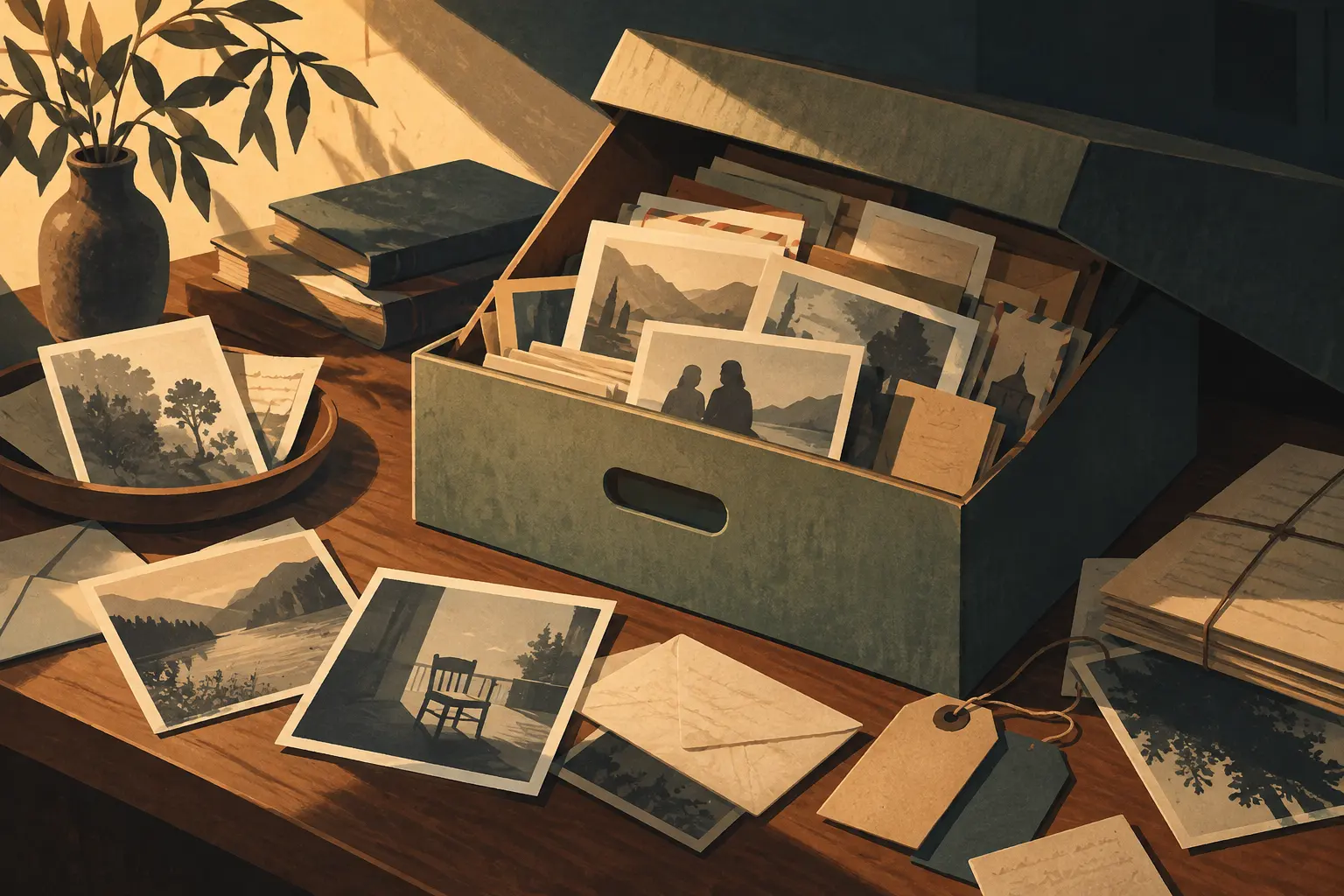
A photograph with names written on the back, a letter kept for decades or a personal document can offer clues about relationships, movement, work and daily routines. These are more than keepsakes: when placed in context, they become part of the evidence used to study social history. But no object speaks for itself. A photograph alone may not identify everyone pictured or explain what happened before or after, and it cannot show whether the scene was typical.
Historian and archivist Gloria Celia Carreño argues that private archives can open perspectives missing from state records. In her study of Mexico, she connects them with fields such as the history of private life, social history, women’s history, microhistory and regional history. Their contribution is not simply to add more material to a research project; it is to prompt questions about who created the documents, what activities they record and how they relate to other sources.
A photograph is a clue, not an explanation
Family albums record more than faces. A photograph’s setting, clothing, activities and the people gathered in the frame can suggest relationships and practices. The Washington State Library’s genealogy guide notes that annotations and albums can help identify people and dates, while visual context can prompt further questions. Yet a scene arranged for the camera need not represent an ordinary day.
An educational resource from Mexico’s Secretariat of Public Education proposes reading photographs alongside documents and testimony. Looking at a picture taken during a family visit, for example, invites questions about who is shown, where each person lived and how they were related. The image can guide the inquiry, but names, dates and places need corroboration where possible.
Different documents record different things
Letters convey affections, concerns and news in the words of the person who wrote them. Diaries offer first-person observations; civil and school records document other kinds of information. These sources do not automatically replace one another. An official record may provide a date or a stated relationship without describing everyday experience. An oral recollection can add context and meaning, but is also shaped by the narrator’s memory and point of view.
The Washington State Library guide recommends speaking with relatives, asking open-ended questions and documenting their accounts; it also advises seeking permission before recording. Looking at a letter, photograph or certificate during a conversation can bring memories to mind. Even so, it is useful to distinguish what someone recalls from what a document directly establishes, and to check details against independent records when available.
What survives—and what remains absent
Family archives survive unevenly. Moves, losses and household decisions affect which materials reach the present; so do ideas about what was worth keeping. Carreño notes that many private archives remain unorganized or inaccessible to researchers, while their transfer to institutions can make consultation possible. Documentary silence does not prove that a practice never existed: it may not have been recorded, may not have survived, or may not yet be accessible.
It also matters who assembled the archive. An album may emphasize particular events or family members; surviving correspondence may represent only those with the time, resources or reasons to write. Research therefore needs to locate each item in the place, period and group it documents. A household offers a specific perspective, but cannot by itself stand for an entire generation or society.
From household papers to documentary heritage
Archival care shapes what can be known. Carreño explains that arranging, describing and protecting collections can turn difficult-to-interpret materials into sources that researchers can consult. In Mexico, legislation also recognizes the heritage value of certain private archives and establishes provisions for their preservation and access; the practical terms of consultation depend on each collection and its custody.
Read alongside other evidence, private documents connect intimate experiences with wider processes. A letter may open a study of migration; a photograph may help reconstruct a shared space; a group of documents may support research into changing relationships and practices in a community. Their strength is not that they provide a complete portrait of everyday life, but that they broaden historical questions and make visible experiences other records leave in the background.
- Decade
- Contemporary
- Region
- Global
- Level
- Introduction
- Entities
- No linked entities
Sources and references 5
- ¿Cómo una foto familiar puede ser fuente histórica? ...www.facebook.com · 2026-11-12
- Introducción a la historia de la vida cotidianawww.jstor.org · 2026-11-12
- Conceptos básicos de investigación genealógicatranslate.google.com · 2026-11-12
- Exploramos documentos y descubrimos nuestra historianuevaescuelamexicana.sep.gob.mx · 2026-11-12
- Los archivos privados y la recuperación de la historiajournals.openedition.org · 2026-11-12