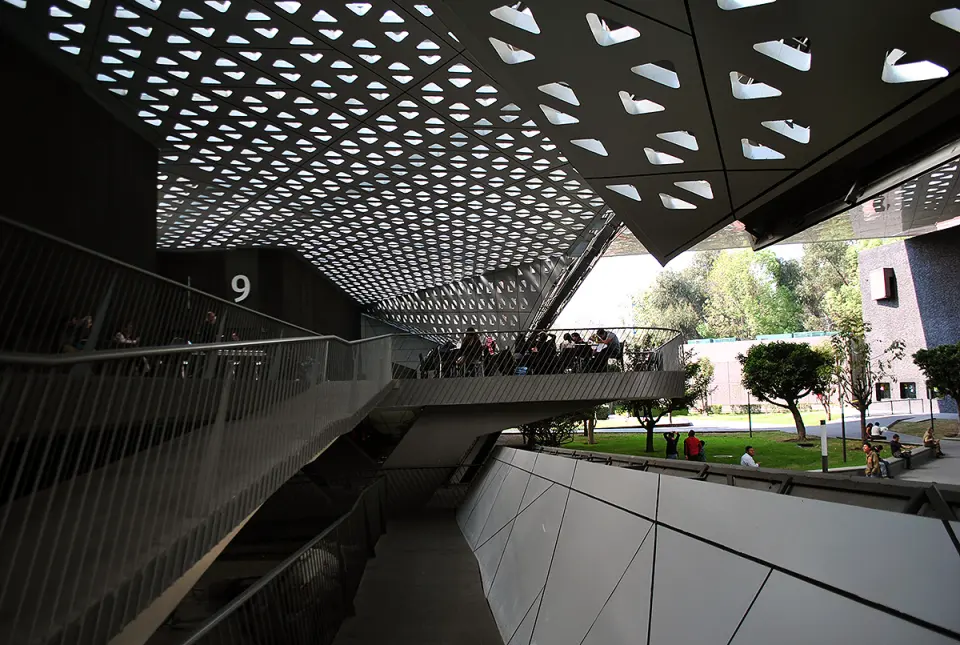
A Mexican institution dedicated to the preservation, cataloguing, exhibition and dissemination of cinema. The evidence states that its first Mexico City venue opened in 1974.
Selected excerpts from our archive offer more context on this subject. Each reading links to the original article and its sources.
Reading an Audiovisual Archive Means Looking Beyond the Films a Museum Preserves
A specialized study of Mexico’s Cineteca Nacional illustrates this complexity. The film museum is associated with archives holding unique copies or copies relevant to film history, especially silent cinema. Yet the collection extends beyond prints: photographs, posters, projection equipment and stage infrastructure can also document technical and material processes. Reading an audiovisual archive means reading relationships, not only titles.
A Film Museum for Reading the Archive: The Former NO-DO Building Project
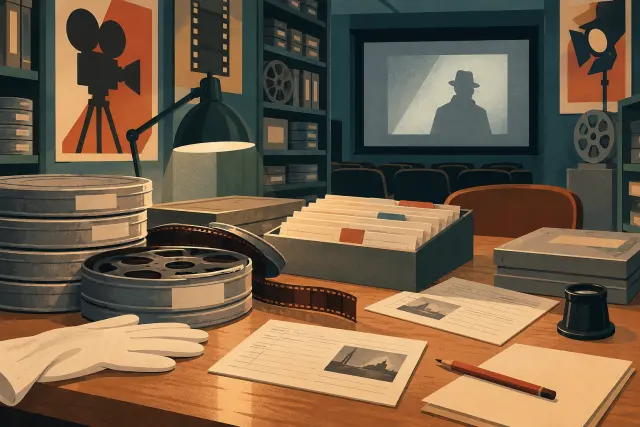
This matters because a museum does not simply present finished stories. It can show that every image has a technical and social history. A print, a negative or a digital file has particular preservation needs; a poster or projector may reveal information absent from the film itself. Research on Mexico’s Cineteca Nacional recalls that film collections with museum functions also bring together photographs, posters, projection equipment and stage infrastructure as documents for understanding technical and material processes.
KEY FACTS
- Type
- Place
- Year
- 1974
- Country or region
- Mexico
References
- Cineteca Nacionales.wikipedia.org