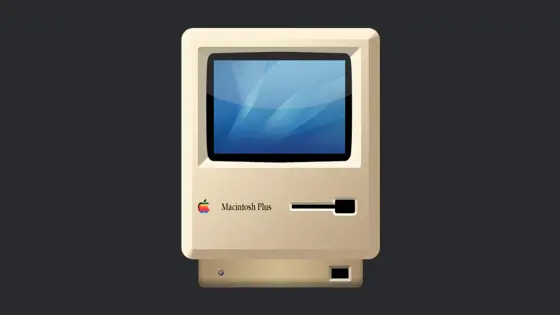
The history of Adobe Photoshop does not begin with a market strategy, but with a specific technical need. Before becoming the pillar of the creative industry, the software was an academic experiment designed to solve a visualization problem. This modest origin contrasts with its subsequent global impact, marking a unique transition in digital technology history.
A doctoral project
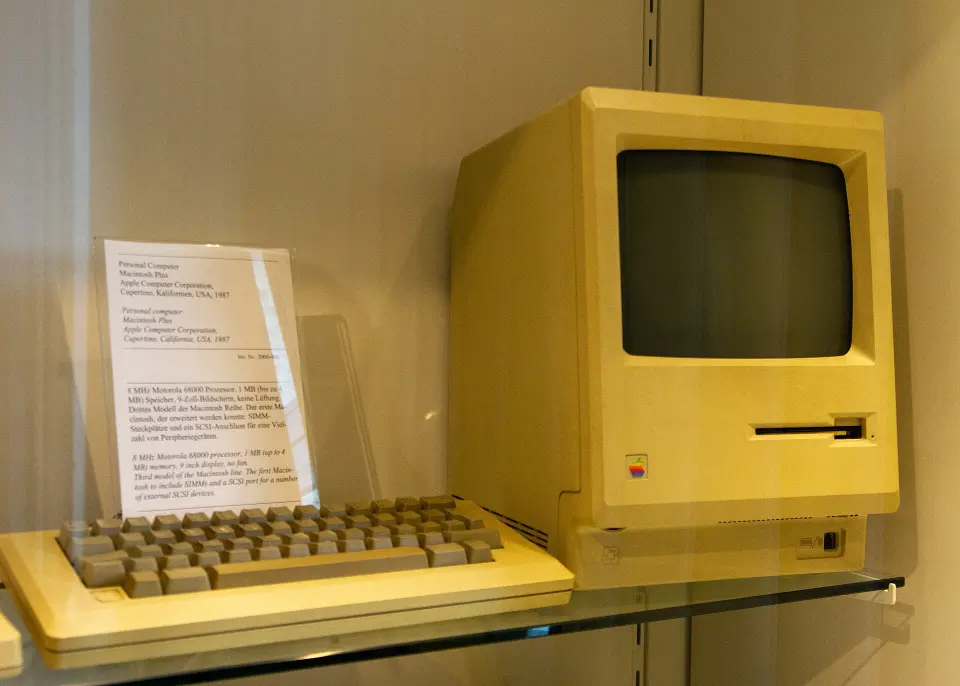
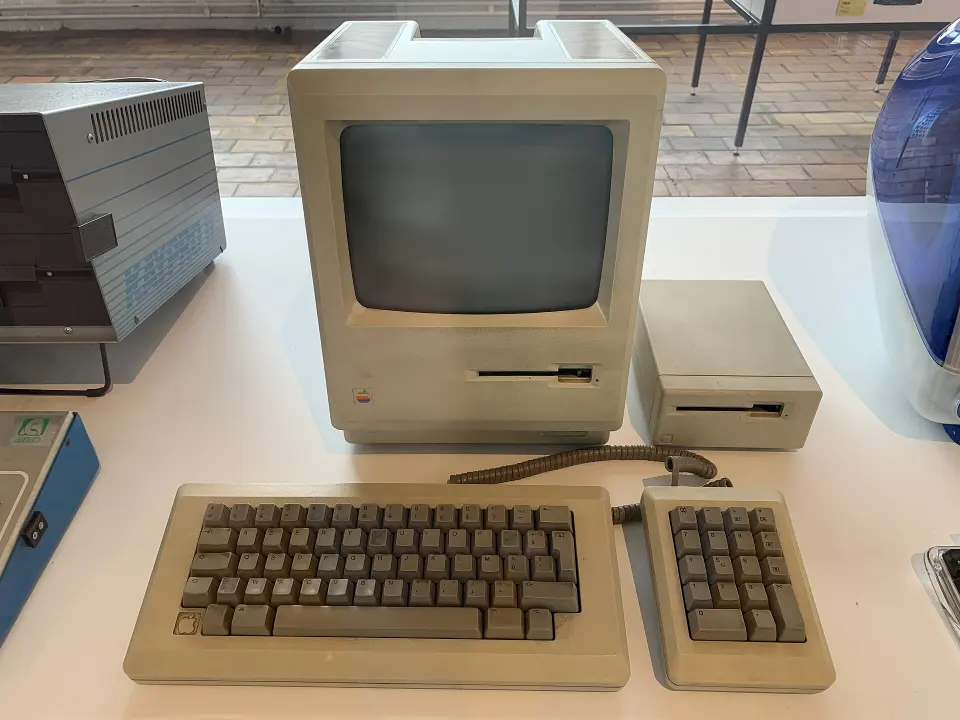
Thomas Knoll, a computer science PhD student, initially developed a program to visualize grayscale images. His goal was not to create an image editor, but a visualization tool. This project was executed on a Macintosh Plus, limited hardware that imposed significant technical constraints. The simplicity of the environment forced code efficiency that would be crucial for the application's future performance.
John Knoll's intervention
The project's potential transcended the academic sphere thanks to John Knoll, Thomas's father and a visual effects professional at Industrial Light & Magic. John recognized that the tool could expand beyond simple visualization. He collaborated with his son to add color support and more complex editing functions. This family collaboration transformed a visualization script into a functional image editor prototype.
The pitch to Adobe
With the prototype underway, the Knoll brothers presented the software to Adobe Systems. The company identified an opportunity to complement its design ecosystem, which had been focused on typography and publishing until then. The acquisition or licensing of the project allowed Adobe to integrate a pixel manipulation tool into its portfolio. This strategic decision positioned the company in the nascent digital editing market.
The release of version 1.0
The first commercial version, Adobe Photoshop 1.0, went on sale on February 19, 1990. Unlike scanning tools of the time, which offered basic capture functions, Photoshop introduced a set of layers and filters. This architecture allowed non-destructive image manipulation, a revolutionary concept for the era. Users could edit without losing original information, changing how professionals approached retouching.
Industry adoption
The rapid adoption of the software in post-production studios and advertising agencies consolidated its position as a de facto standard. The ability to work with layers and integration with Adobe's workflow made it indispensable. The 'photoshop' culture began to form, influencing everyday language and visual quality expectations in advertising and film.
Evidentiary limitations
Although sources confirm the academic origin and release date, specific details about initial negotiations between the Knolls and Adobe are not widely documented in the provided evidence. The narrative focuses on technical evolution and commercial impact, setting aside contractual or financial aspects of the transition.
Legacy in digital editing
Photoshop did not only define a technical standard but established a visual language for the digital era. Its ability to edit without destroying the original laid the foundations for modern editing tools. The transition from a doctoral project to a global tool illustrates how innovation can emerge from academic contexts and transform into a cultural phenomenon.
Documentary gallery
- Decade
- 1990s
- Region
- North America
- Level
- Introduction
- Entities
- Macintosh, Adobe Photoshop
Sources and references
- Evolución de la herramienta photoshopwww.fesc.edu.co · 2026-10-20
- Adobe Photoshop celebra 30 añoswww.domestika.org · 2026-10-20
- Adobe Photoshop - Wikipedia, la enciclopedia librees.wikipedia.org · 2026-10-20
- Origen y evolución de Photoshop | PDF | Adobe Photoshopes.scribd.com · 2026-10-20
- Photoshop se mantiene en el trono del grafismo digital 30 ...elpais.com · 2026-10-20
- Acerca de Adobewww.adobe.com · 2026-10-20