Reconstructing the history of domestic decoration requires looking beyond aesthetic objects. The available evidence suggests that decoration is a complex practice intertwining aesthetics, functionality, and spatial organization, documented through disparate sources such as warranty manuals, business plans, and virtual environments. This analysis examines how these heterogeneous sources allow tracing the evolution of interiors, from physical products to digital avatars, revealing the limitations and possibilities of research in this field.
Technical Documentation as Testimony
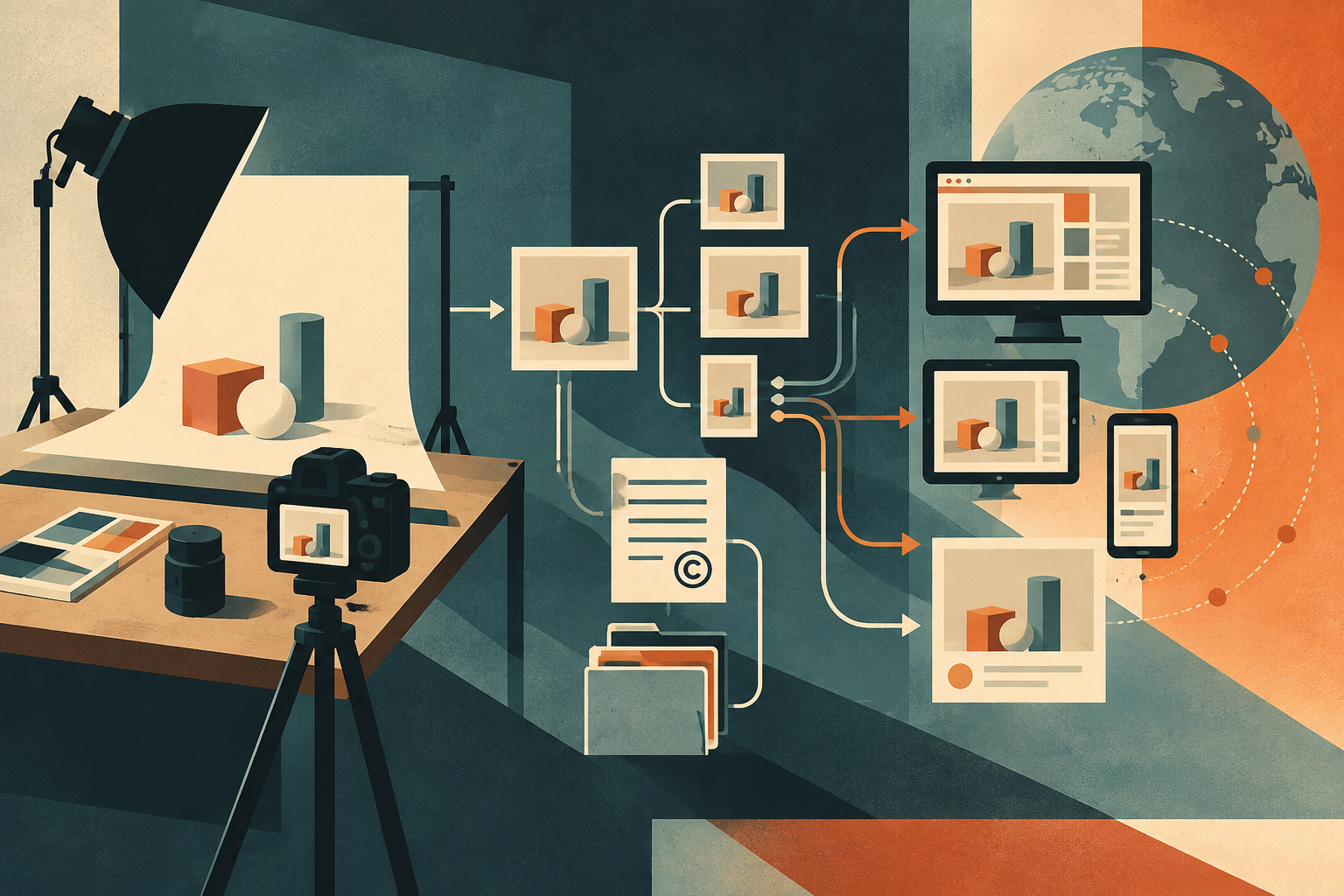
In the physical realm, decoration is often recorded through technical rather than artistic procedures. A clear example is Hunter Douglas’s window decoration line in Colombia, which appears in a 2015 academic work focused on designing a manual for warranty service. This document, prepared by researchers from the University of Valle, demonstrates that domestic products are documented through technical protocols. The existence of warranty manuals for decorative elements indicates that these objects are not only aesthetic but also involve technical support and a service relationship with the user. This technical perspective offers a window into the standardization of decoration in the Latin American market during the 21st century.
Commercial Expansion from Fashion to Home
The integration of decoration into the commercial strategy of fashion brands is another vector for reconstruction. Mango, a Spanish company founded in Barcelona, expanded its initial activity focused on women’s fashion to include lines such as Mango Home. This expansion places decoration within a global consumption ecosystem. The brand, which has thousands of sales points in over 120 markets, has used the home line to consolidate its market presence. This case illustrates how decoration has become a strategic component of major fashion corporations, influencing interior design trends through the mass distribution of home products.
Decoration as a Business Activity
Beyond major brands, decoration is organized as an independent commercial activity. Academic works, such as theses on the creation of event and decoration companies in Colombia, show how the sector is structured. For example, the creation of companies like Green House Events or Casa Blanca reflects the professionalization of decoration for banquets and events. These research documents do not only describe products but also analyze the economic viability and labor organization of decoration. This evidence is crucial for understanding decoration not only as a personal taste but as an economic sector with its own market and employment dynamics.
The Leap to Virtual Space
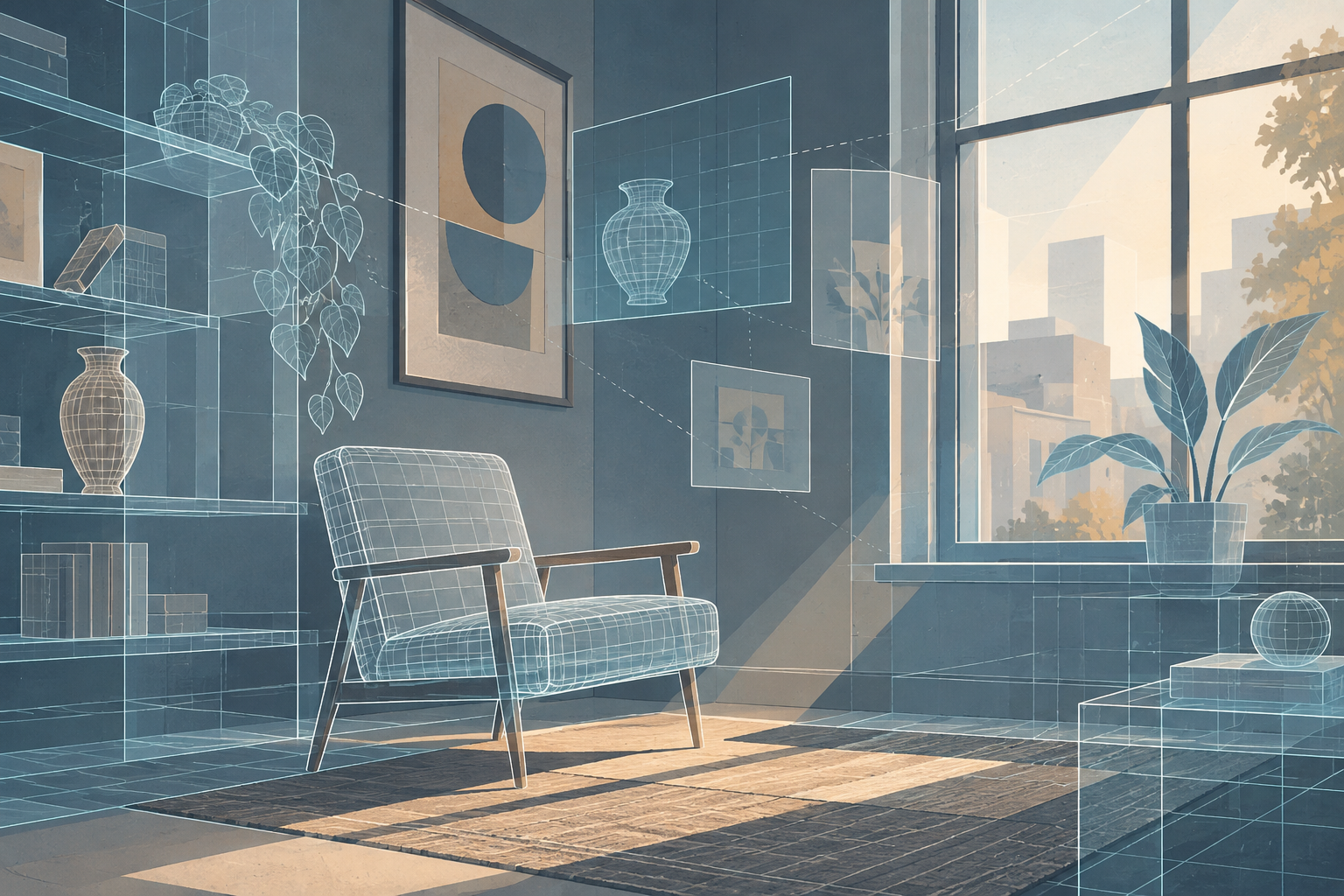
The reconstruction of domestic decoration is not limited to the physical world. Virtual services offer a new layer of evidence. PlayStation Home, developed by Sony from early 2005 and launched in worldwide public beta on December 11, 2008, allowed users to create avatars with virtual apartments. These spaces could be adorned with elements that users obtained in various ways. The service, which closed in 2015, represented an early attempt to simulate domestic life in a digital environment, where decoration was a form of social and personal expression.
Personalization in the Metaverse
IMVU, founded on April 15, 2004, in the United States, offers another model of virtual decoration. This 3D chat platform allows users to customize their avatars and virtual spaces through a store that includes creations by other users. Unlike PlayStation Home, IMVU focuses on social interaction and the continuous customization of environments. The existence of these platforms demonstrates that the need to decorate and organize space is a human constant that adapts to new technological media. IMVU’s data, with millions of daily users, suggests that virtual decoration has significant cultural relevance in the digital age.
Limitations of the Evidence
Despite the richness of these sources, there are important limitations. Technical manuals and business plans do not always identify end users or describe in detail how spaces were used. Academic sources are often secondary and focus on economic or technical aspects, leaving aside the subjective experience of decoration. Furthermore, virtual environments like PlayStation Home have disappeared, making it difficult to access complete descriptions of the interiors created within them. The lack of preservation of this digital data represents a challenge for the historical research of contemporary domestic culture.
Conclusion
Reconstructing domestic decoration requires a multidisciplinary approach that combines technical documentation, commercial analysis, and the study of virtual environments. The key question is not only what objects decorated a house, but what sources allow us to understand who used it and how it was organized. By integrating these perspectives, a more complete vision of decoration as a cultural practice that transcends the physical object and extends to the commercial and digital dimensions of modern life can be offered.
- Decade
- 2000s
- Region
- Global
- Level
- Introduction
- Entities
- PlayStation, PlayStation Home, Mango, Sony, Mango Home
Sources and references
- creación de la empresa eventos y decoraciones casa blanca ...bibliotecadigital.univalle.edu.co · 2026-10-17
- Creación de empresas: Green House Events. Decoración y planificación de eventos.openalex.org · 2026-10-17
- Diseño del manual para atención de garantías de productos en la línea de decoración de ventanas para la empresa Hunter Douglas Colombia.openalex.org · 2026-10-17
- Mango (empresa)es.wikipedia.org · 2026-10-17
- PlayStation Homees.wikipedia.org · 2026-10-17
- IMVUes.wikipedia.org · 2026-10-17