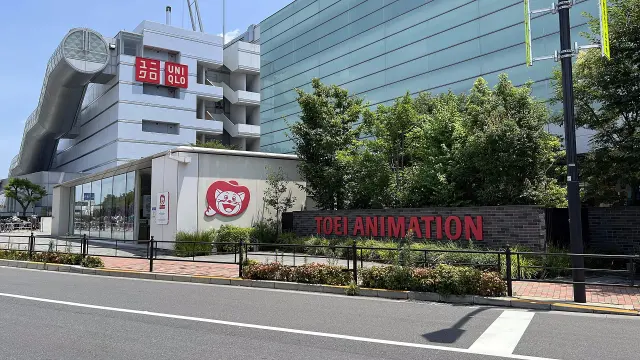
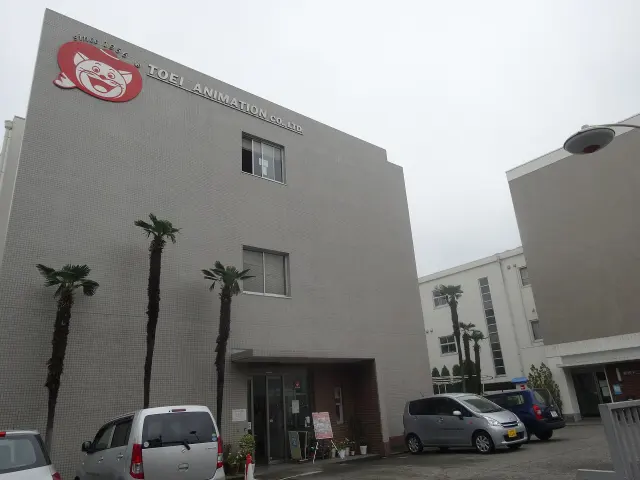
Japanese production company founded in 1956 and now known as Tōei Animation. Sources describe it as an important site for professional training and anime development, historically oriented toward theatrical feature films.
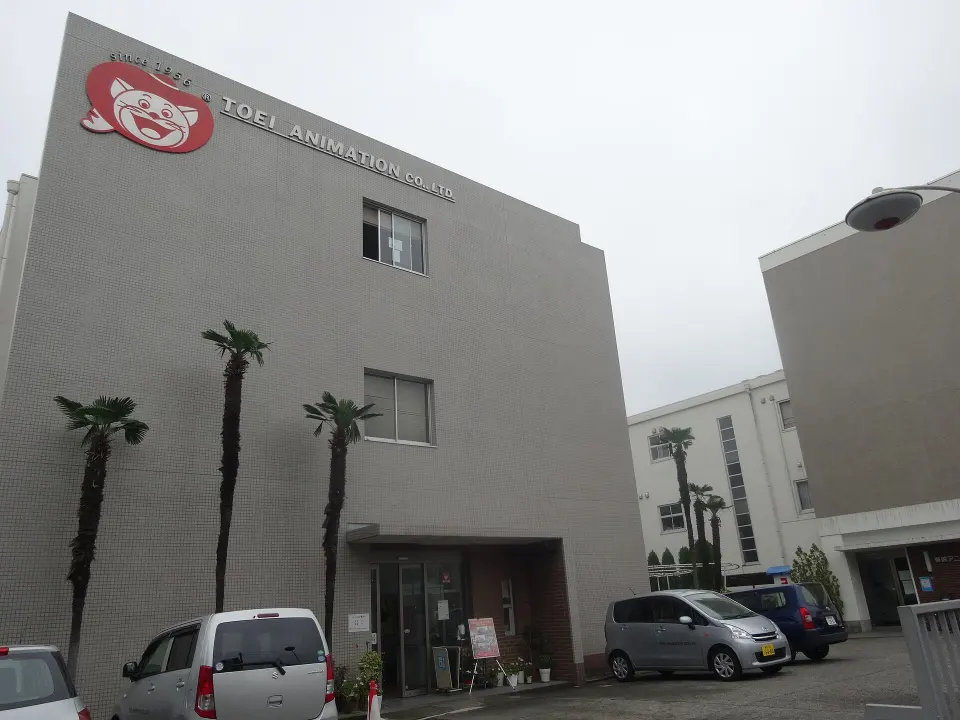
Selected excerpts from our archive offer more context on this subject. Each reading links to the original article and its sources.
How Tōei Dōga turned industrial ambition into an animation school
Tōei Dōga holds a particularly useful place for understanding post-war Japanese animation without turning its history into an automatic sequence of masterpieces or individual names. The supplied sources agree on three basic points: the company was founded in 1956, is now known as Tōei Animation, and mattered greatly as a training space for animation professionals and for the emergence of anime. They also identify Hiroshi Ōkawa as its historic director and associate his project with a wish to create an “Eastern Disney.”
That phrase, repeated in the sources, should be read as a statement of business and creative ambition, not as proof of an aesthetic equivalence between two industries. Its value lies in the scale it suggests: animation conceived as an organized activity, able to sustain theatrical features and gather specialized work. This is Tōei Dōga’s retro significance: it points not only to films or styles, but to the production conditions that make them possible.
The available historical overview notes that foreign animated films reached Japanese cinemas around 1910 and that some 93 were screened between 1914 and 1917. American films were the most popular, a context that encouraged Japanese producers to consider domestic animation. That chronology does not by itself explain Tōei Dōga’s founding decades later, but it prevents us from treating it as an absolute beginning.
Material limits matter as well. The historical source states that cel was expensive in Japan because it was imported, and that some animators used cut-out cardboard photographed frame by frame. This was not merely a technical curiosity: it shows how support, access to materials, and cost shaped formal choices. When considering Tōei Dōga’s later orientation toward features, this background should remain in view. Industrialization does not magically replace technique; it reorganizes resources, skills, and risk.
Tōei Dōga: A 1956 Studio in Anime’s Industrial Origins
Tōei Dōga holds a particularly revealing place in any account of postwar Japanese animation. The available evidence establishes a clear starting point: the production company was founded in 1956 and is now known as Tōei Animation. This continuity of name does not, by itself, summarize a corporate or aesthetic history, but it does offer a precise entry point into a period when Japanese animation was increasingly organized around companies making television series and feature films.
This profile should be read as contextual interpretation rather than an exhaustive studio chronology. The available sources describe Tōei Dōga as one of Japan’s most important animation studios, a privileged training ground for animation professionals, and a place associated with anime’s emergence. Those are meaningful but broad formulations: they document historical importance, yet they do not authorize a specific list of titles, techniques, creators, or commercial outcomes not supported here.
Tōei Dōga’s founding did not happen in a vacuum. General anime history places its beginnings in the second decade of the twentieth century. It also states that foreign animated films reached Japanese cinemas around 1910 and that roughly 93 foreign animated films were shown between 1914 and 1917, with American productions the most popular. This matters because it shows that domestic animation developed in dialogue with images, formats, and practices already visible to Japanese audiences.
Production conditions were not identical to those elsewhere. One historical source explains that celluloid, indispensable for some animation practices, was expensive in Japan because it was imported. As an alternative, artists used cut-out processes with cardboard: characters were drawn, cut out, and photographed. This does not directly describe Tōei Dōga’s own methods, but it prevents an overly simple reading of the medium. Japanese animation history includes choices shaped by resources, material availability, and working practices.
KEY FACTS
- Type
- Studio
- Year
- 1956
- Country or region
- Japan
References
- Los orígenes de la animación japonesa: El estudio Tōei Dōga - Ramen Para Dosramenparados.com
- LOS ORÍGENES DE LA ANIMACIÓN JAPONESA: EL ESTUDIO TOEI DOGA (1956 - 1972)tienda.tomosygrapas.com