PERSON / RETRO ARCHIVE

Rubén Varillas

The evidence identifies Rubén Varillas as the author of “El cómic, una cuestión de formatos (2): revistas de cómics, fanzines, mini-cómics, álbumes y novelas gráficas.” No biographical details are added because the sources do not document them.

Selected excerpts from our archive offer more context on this subject. Each reading links to the original article and its sources.

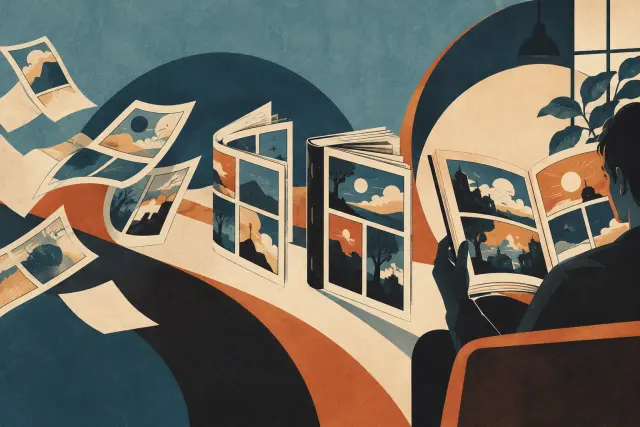
The Comic Magazine: Reading a Story in Installments

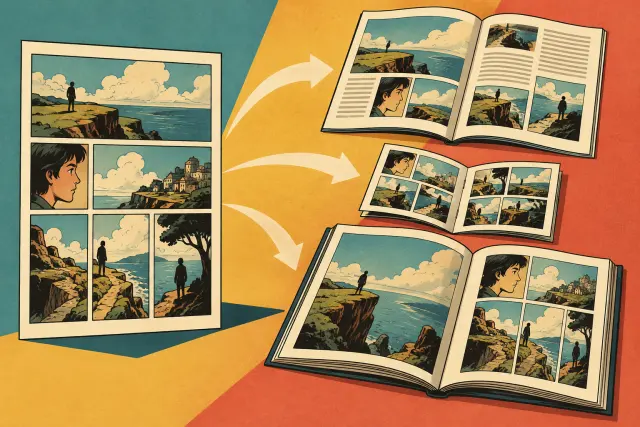
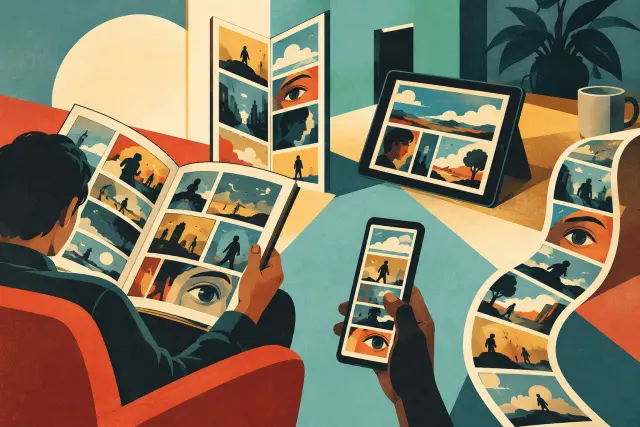
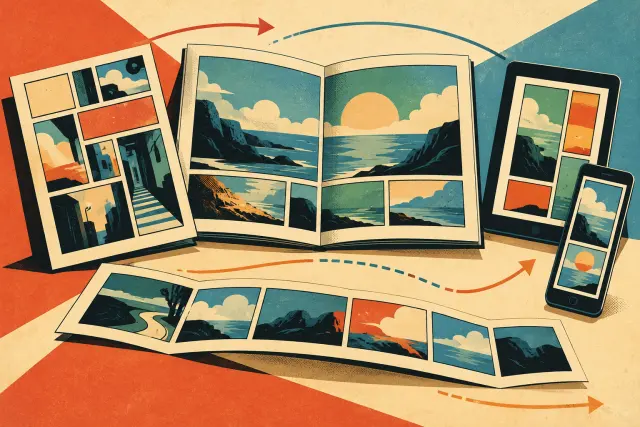
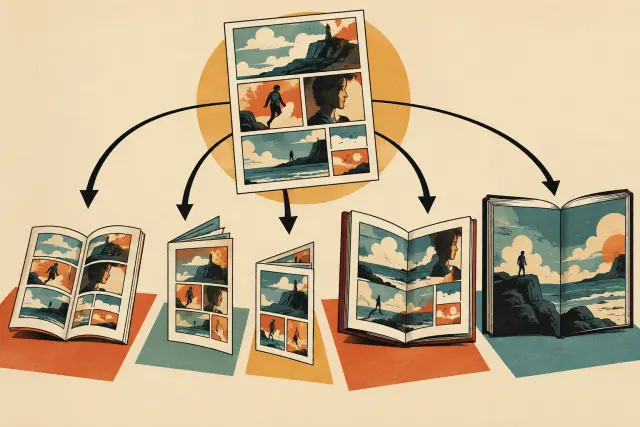
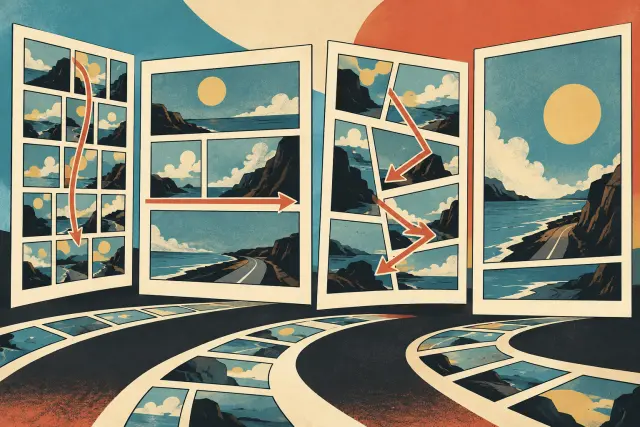
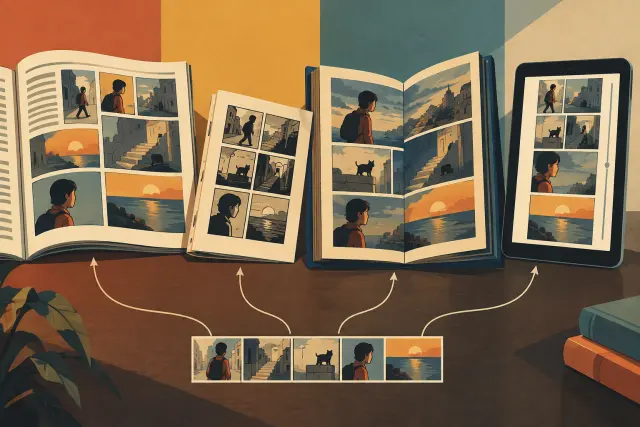
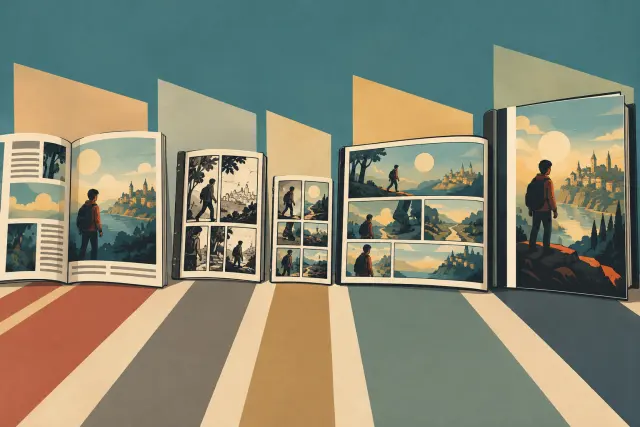
Rubén Varillas’s study, which considers magazines, fanzines, mini-comics, albums and graphic novels, places these formats within a broader discussion of comics’ material and editorial forms. Its framing helps avoid a false opposition: the magazine is not simply an old stage that disappears when the album arrives. They are publishing options with different possibilities, and the same story can move from one to another.

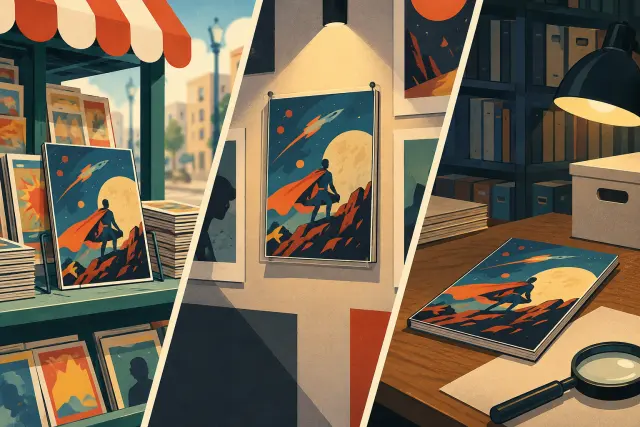
From Newsstand to Display Case: Comics Change Places

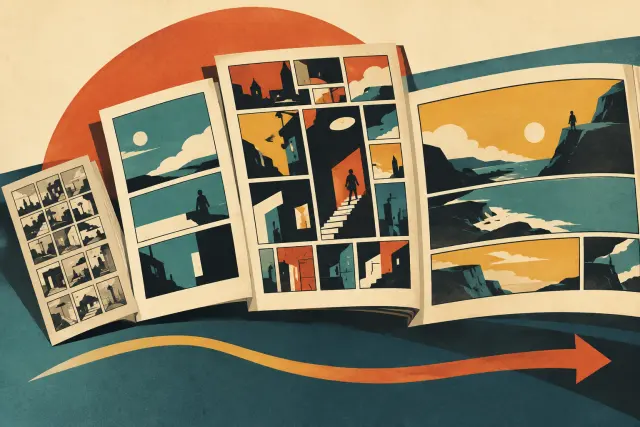
A magazine brought works together in one object, while allowing readers to approach them through artists, series or graphic choices. Rubén Varillas’s study of magazines, fanzines, mini-comics, albums and graphic novels reminds us that format is central to thinking about how comics are organized and circulated. The available bibliographic record does not provide the full article text; it is therefore useful as a reference for the focus on formats, not as evidence for detailed conclusions absent from the supplied material.

KEY FACTS
Type
Person
DOCUMENTARY SOURCES

References

  1. El cómic, una cuestión de formatos (2): revistas de cómics, fanzines, mini-cómics, álbumes y novelas gráficasdoi.org

Related stories

History · 1960

Paper shapes the reading of comics

Beyond characters, comic history is understood through its supports. This analysis examines how magazines, fanzines, and albums reconfigured graphic narrative in the 20th century.

Open story
Analysis · 2000

A comic is never just its format

Magazines, fanzines, minicomic books, albums and graphic novels place comics in different conditions of circulation. Comparing them can illuminate publishing and preservation, though the available evidence does not prove that format alone transforms how every work is read.

Open story
Analysis · 1970

A comics magazine changes meaning when its setting changes

Spanish comics magazines of the 1970s and 1980s can be studied not only through their pages, but also through the places where they were read and are remembered. The available evidence supports that approach, but does not identify specific format or editorial changes for individual titles.

Open story
Analysis · NOW

Format also shapes the rhythm of reading

Magazines, fanzines, mini-comics, albums and graphic novels name different formats. Drawing on a study devoted to these categories, this piece cautiously explores how support, length and page organization can guide reading, while distinguishing those questions from what the available sources cannot establish.

Open story
Analysis · 2000

A comic’s format is part of how it is read

Magazines, fanzines, mini-comics, albums and graphic novels are distinct publishing forms, not interchangeable containers. The evidence supports examining how publication and circulation frame reading, but cannot reconstruct every reader’s experience or establish a uniform history for all formats.

Open story
Analysis · NOW

Comics read differently when the format changes

Magazines, fanzines, mini-comics, albums and graphic novels are not merely containers: Rubén Varillas’s study frames format as a question for comics. The available evidence also lets us consider how seriality, numbering and distribution shape reading, while not documenting every effect in detail.

Open story
Analysis · NOW

Comics change when their format changes

Magazines, fanzines, minicomic books, albums, and graphic novels are distinct formats, not mere containers. The available sources support asking how format and circulation shape reading, but they do not establish specific editorial changes without examining the publications themselves.

Open story
Analysis · 2000

Format also shapes how a comic is read

Magazines, fanzines, mini-comics, albums and graphic novels are more than containers. Comparing formats helps us ask how publishing shapes reading, although the available sources do not establish specific effects for particular editions.

Open story
Analysis · NOW

Format also guides how we read comics

Magazine, fanzine, mini-comic, album and graphic novel are not merely containers. The cited studies and collections offer ways to examine how publication and circulation shape reading, without mistaking clues for certainties.

Open story
Analysis · NOW

The Page Tells a Story Too: How Format Changes the Reading of Comics

Magazines, fanzines, minicomic books, albums and graphic novels are not merely containers: their formats can shape a comic’s pacing, sequence and material relationship with its reader. Drawing on the supplied scholarship and resources, this analysis explains what to examine—and where interpretation must remain cautious.

Open story
Analysis · 2000

A story changes when its format does

Magazine, fanzine, mini-comic, album and graphic novel are distinct publishing formats. Treating them as formats raises questions about how narrative is experienced, without confusing what a medium might allow with established facts about a particular work.

Open story