The Museu de la Música in Barcelona has a multimedia archive comprising more than 60,000 items that document its collections and the museum’s activities.
Selected excerpts from our archive offer more context on this subject. Each reading links to the original article and its sources.
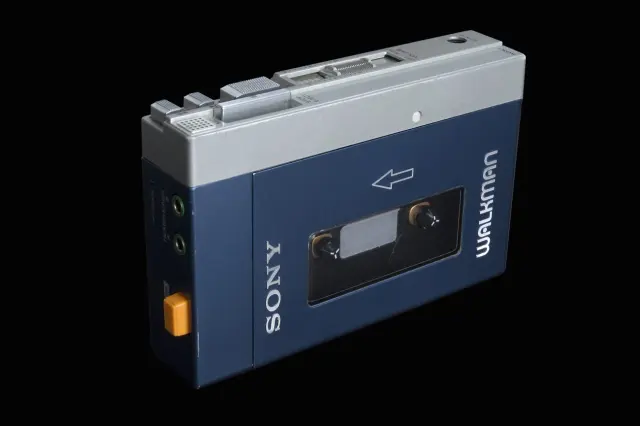
From Phonograph to Walkman: How Portable Listening Changed
Barcelona’s Museu de la Música dates its acquisition of the Arellano Collection to 1970, describing it as a very complete body of phonographs and gramophones. This matters because it presents such objects not as mere antiques, but as pieces needed to explain a technical genealogy of recorded music. The museum also states that its main collection already comprised 966 instruments in 1969, helping place the acquisition within a wider process of building collections.
A phonograph or gramophone preserves more than one way of producing sound. It also reveals a particular relationship between music, domestic object, mechanism, and carrier. Displaying these devices invites us to regard listening as a material practice: there is a machine, an operation, a place, and a listener. The Museu de la Música’s new exhibition of its collections, inaugurated at L’Auditori in March 2007, continues this public presentation of musical holdings.
1970: A Crossroads of Records, Advertising, Museums and Portable Listening
Barcelona’s Museu de la Música records its 1970 acquisition of the Arellano Collection, described as a very complete group of phonographs and gramophones. The fact shifts attention from commercial novelty to preservation. While contemporary records could be new products, historical recording and playback devices were already being treated as heritage worth collecting and studying.
KEY FACTS
- Type
- Museum
- Country or region
- Spain
References
- EDR | Museu de la Música - L'Ajuntamentajuntament.barcelona.cat