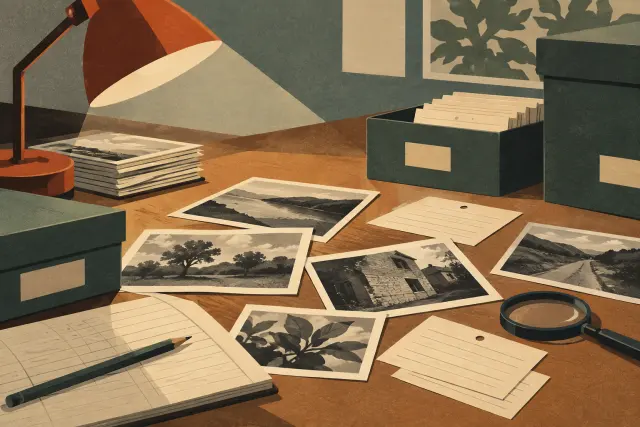
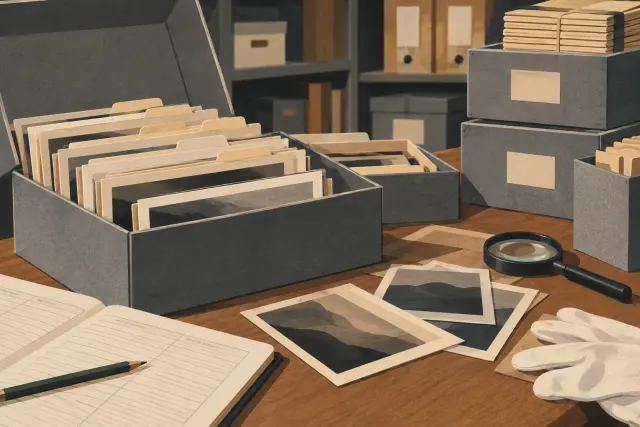
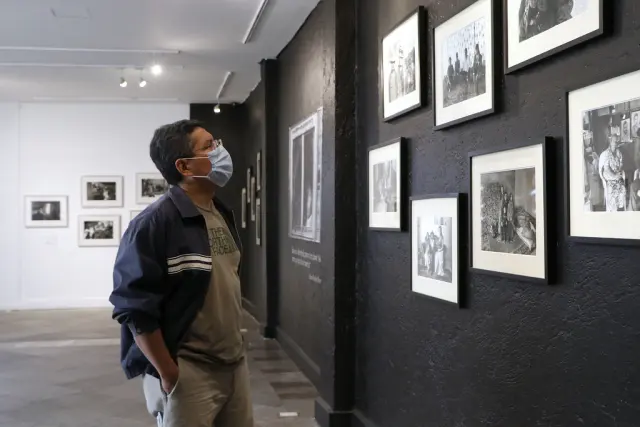
A museum whose department safeguards, catalogs, and manages documentary collections and carries out conservation and restoration work.
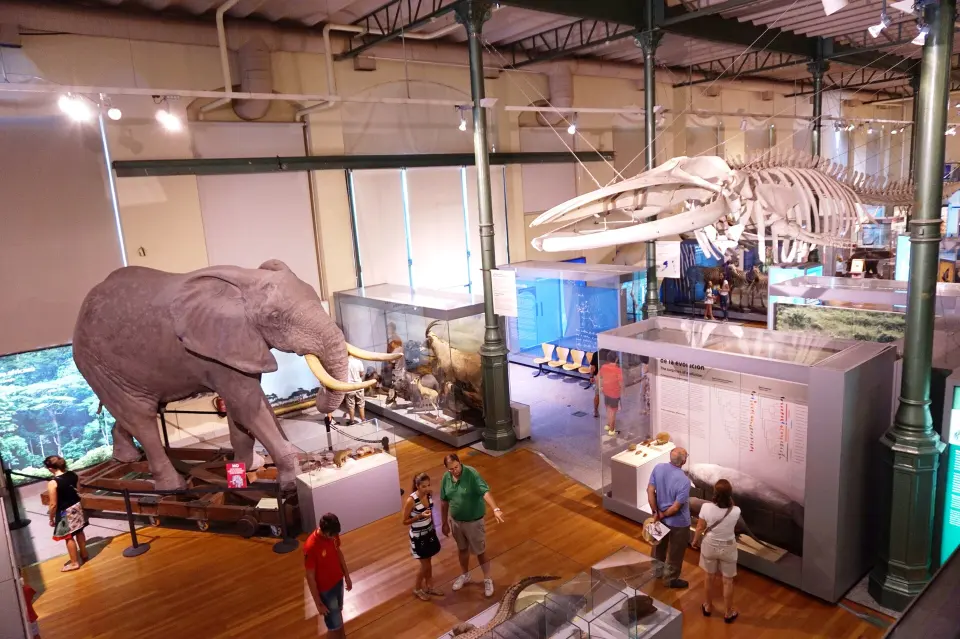
Selected excerpts from our archive offer more context on this subject. Each reading links to the original article and its sources.
From Lists to Reports: A Timeline of Documentary Restoration in Spanish Institutions
Restoration does not leave behind only an artwork or document that is materially more stable. It also leaves—or should leave—a verifiable account of what was observed, which decisions were made, and which limits were accepted during treatment. That administrative and technical dimension is especially clear in information published by the Museo Nacional del Prado and the Museo Nacional de Ciencias Naturales (MNCN-CSIC). These sources do not describe one universal method for every kind of heritage. They document institutional practices connected to particular collections. For that reason, they support a useful timeline of how restoration moved from recording expenses and work toward incorporating reports, preventive conservation, procedures and risk management.
A Photograph Is Not Enough: Why Context Turns an Image into an Archival Record
Digitisation broadens access, but it does not erase the need to describe provenance and material form. The Museo Nacional de Ciencias Naturales includes resolution, histograms, colourimetry, densitometry, output formats, cataloguing, and metadata among its historical-photography management topics. A digital archive is therefore more than a set of image files: it depends on technical and descriptive decisions.
KEY FACTS
- Type
- Museum
- Country or region
- Spain