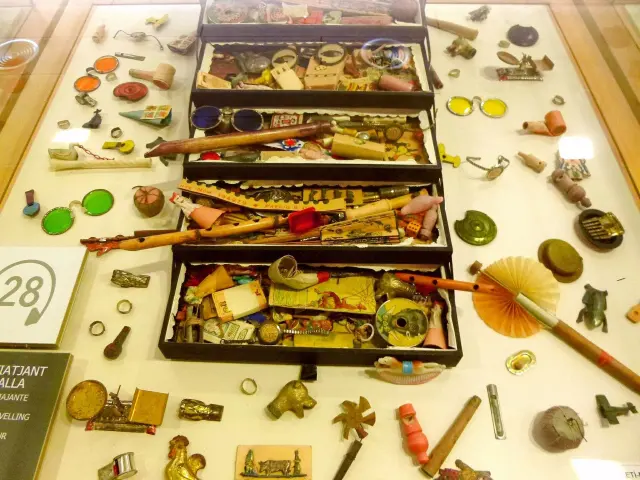
The Toy Museum opened on 18 June 1982 in the former Hotel París in Figueres.
Selected excerpts from our archive offer more context on this subject. Each reading links to the original article and its sources.
Ibi’s Toy Museum: Preserving an Industry, Interpreting Material Culture
Ibi’s Valencian Toy Museum opened on 20 December 1990. Its first home was temporary: an eighteenth-century manor known as Casa Gran. The museum’s own account matters because it prevents us from treating the institution as a nostalgic set created from nothing. Its beginning was tied to a specific accumulation of objects and material documentation from local industrial activity.
The core holdings came from a donation to the town of Ibi by workers of the Cooperativa Payá. According to the museum, this group consisted mainly of toys made in Ibi and Germany, alongside pieces from other parts of Spain and the world. A smaller municipal collection and donations from companies and private individuals were subsequently added. The museum also identifies original machinery and tools among its holdings.
A toy does not record only a model, a character or a manufacturing technique. It preserves decisions about materials, scale, colour, packaging, mechanisms and an imagined audience. Shown alongside tools, machinery and evidence of production, it becomes more than an object associated with childhood: it is also evidence of industrial organisation and design.
The Polytechnic University of Valencia argues that a toy museum can generate symbolic, creative, socioeconomic and industrial-design readings. It also suggests that objects need not be displayed only in chronological order, but can be arranged thematically and contextualised with images or music. This approach makes clear that a display case is not neutral: it chooses which links between manufacture, use and memory become visible.
The Toy Behind the Glass: Small Objects, Collective Memory
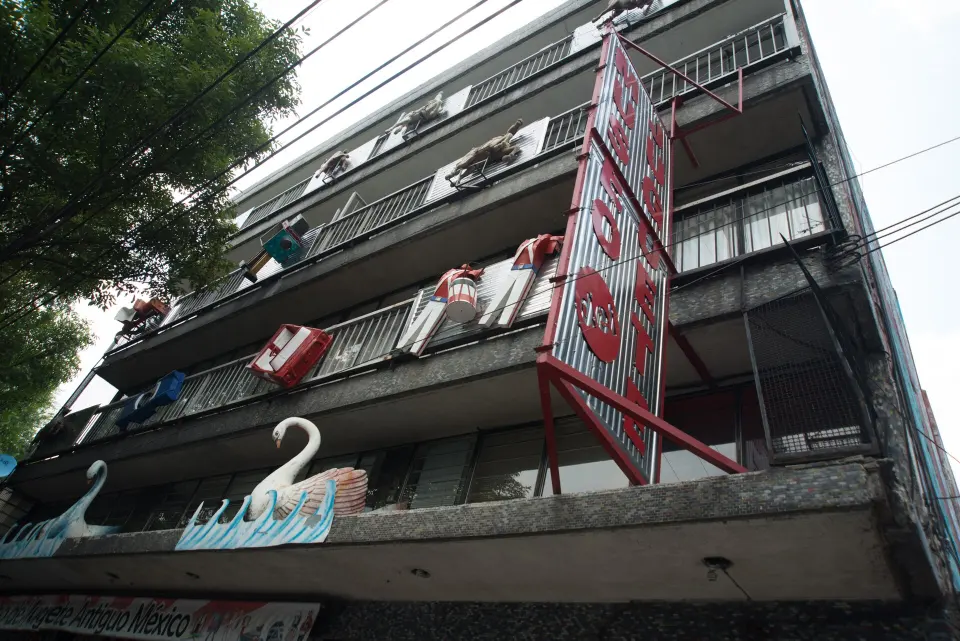
A private collection turned into a museum offers a different perspective. A Chilango report says that Roberto Shimizu has spent decades collecting toys and that the Museo del Juguete Antiguo México displays more than 30,000 pieces, although many remain in storage. The report presents the collection as an archive of objects connected to Mexican popular culture. Its scale and conservation story are facts attributed to that publication; they should not be treated as an independently verified inventory or as a measure of national representativeness.
KEY FACTS
- Type
- Museum
- Year
- 1982
References
- Historia de la colecciónmjc.cat