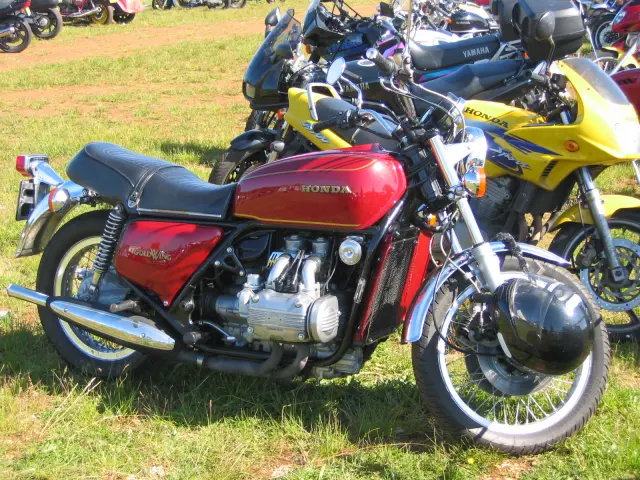
The consulted source dates the launch of the first Gold Wing to 1975 and describes it as having a four-cylinder boxer engine. It also states that Gold Wing production in Marysville, Ohio, continued until 2009.
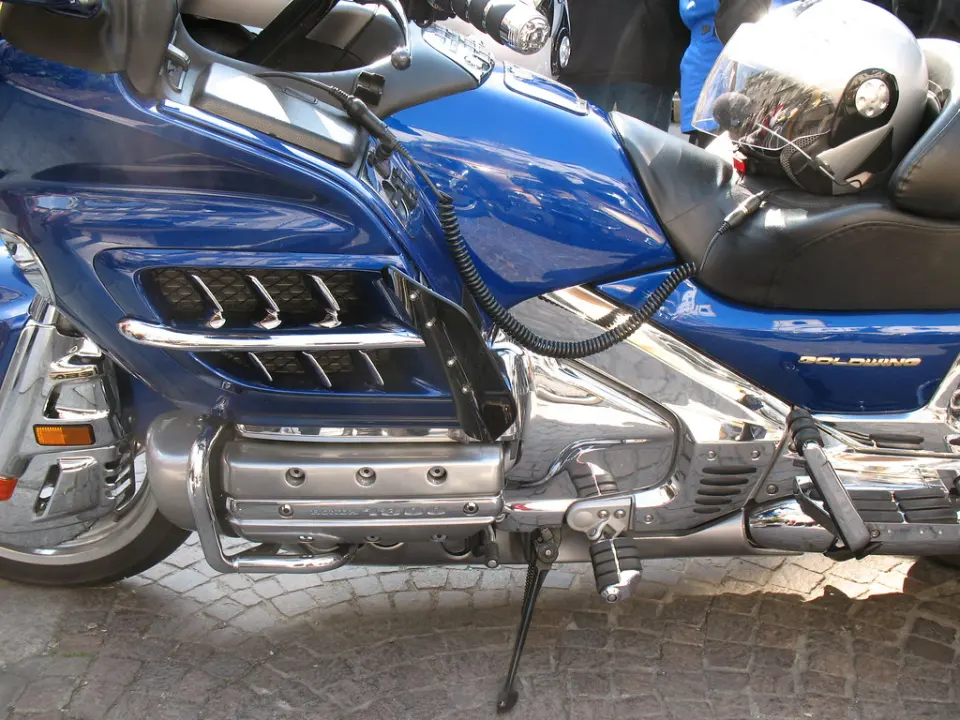
Selected excerpts from our archive offer more context on this subject. Each reading links to the original article and its sources.
1970-1975: Five Years That Changed the Conversation Around Cars and Motorcycles
Moto1Pro dates the first Honda Gold Wing to 1975 and describes it at that point as using a four-cylinder boxer engine. It also says it was assembled at Honda’s Marysville, Ohio plant and that Gold Wings were made there until 2009. In this timeline, the first Gold Wing matters less as an isolated object than as a sign of a motorcycle designed to broaden the experience of the road.
The available sources support a careful sequence: 1970 brought documented Toyota Carina and Celica launches, the first Laverda SF 750s and a reading of safety as a central issue of the decade; 1974 brought a General Motors restraint-system offer in some Cadillacs; and 1975 brought the first Honda Gold Wing. They also support an interpretation of the CB 750 Four and its rivals within the story of Japanese motorcycles.
Cars and motorcycles in the 1970s: different responses to a decade of change
The same publication notes that the first Honda Gold Wing arrived in 1975 with a four-cylinder boxer engine and was assembled at the Marysville, Ohio, factory. It also says that Gold Wings were manufactured there until 2009. This provides a counterpoint to the Laverda’s specific development: the sources allow us to trace one model over an extended period, although they do not detail each year’s versions or changes.
The selected cases do not amount to a complete history of the decade. For cars, they include the arrival of the Carina and Celica, the NSU Ro 80’s technical approach and a reference to safety. For motorcycles, they include the Laverda SF 750’s brake development and the appearance of the Honda Gold Wing. This range avoids reducing the period to a single innovation, but it does not replace research into markets, production, prices, competition or users’ experiences.
KEY FACTS
- Type
- Vehicle
- Year
- 1975