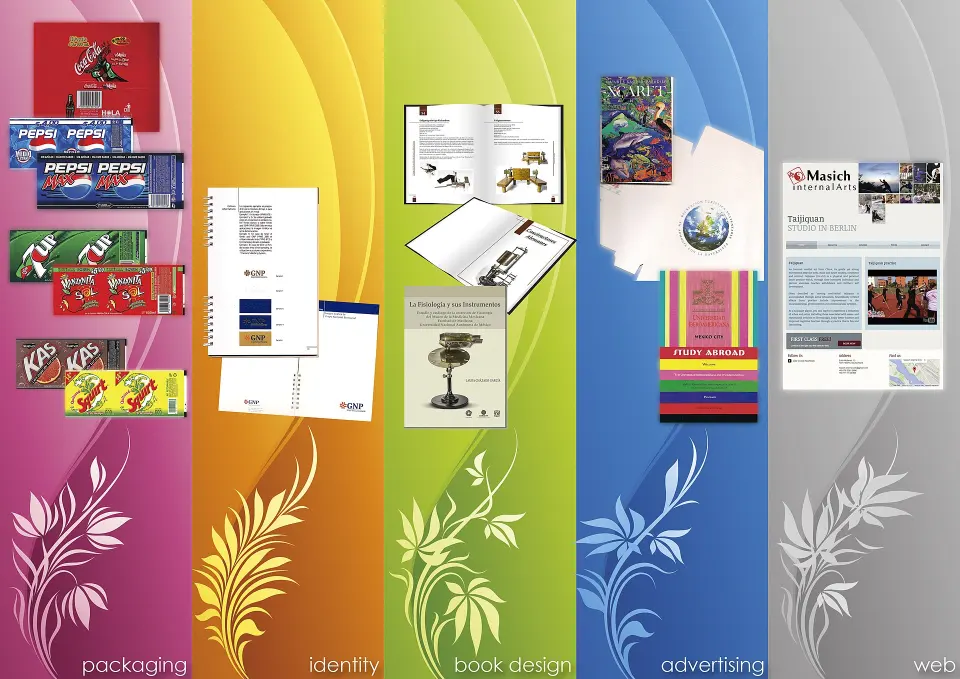
Graphic design is a profession and interdisciplinary academic discipline that involves projecting visual communications to transmit specific messages to social groups. It is based on the principle that form follows a specific function, using typography, composition, and images as tools for the interpretation and optimization of communication. Its role is that of a message encoder, transforming linguistic demands into graphic manifestations that go beyond verbal language. This discipline has evolved from practices linked to the fine arts to become a fundamental pillar of brand identity and modern advertising, especially from the 1970s onwards, where visual creativity was consolidated as a key commercial differentiator.
Selected excerpts from our archive offer more context on this subject. Each reading links to the original article and its sources.
The museum communicates too: graphic design, visual attention and promotion
A museum’s visual identity is not limited to its logo or a single campaign. The academic study “Museum graphic design as a creative stimulus in heritage education” argues that graphic resources are part of museum settings and contribute to both public image and promotion. Its analysis focuses on seven museums in Valencia and examines design decisions across different environments from the perspective of visual culture. That scope matters: the source does not offer a general history of museum design or support the claim that all institutions share one aesthetic.
It does, however, pose a specific question: what does a visitor learn to notice when a space, its texts and its images are designed in particular ways? The study suggests that a visit can become a process of learning about the communicative possibilities of space. This is an interpretive proposition with editorial value, not proof that every design has the same effect on every person.
Graphic design accompanies the relationship between visitor, work and space. According to the study, permanent collection galleries and temporary exhibitions are settings in which graphic design affects the message received by the public. This encourages us to look beyond the displayed objects: visual organization and the way a museum relates its content to visitors matter too.
The available source information does not name the seven museums, detail the graphic pieces examined or report specific results for each case. It would therefore be wrong to turn the analysis into a catalogue of styles or to claim that particular typefaces, colours or signage systems are more effective. The evidence supports a narrower conclusion: design merits analysis as part of the visitor experience, rather than as an ornament separate from it.
Graphic Design and Advertising: What Form Helps Us Understand
A graphic piece communicates through more than its words. The entry on graphic design describes the use of text, images, typography, and composition to convey visual messages. It also presents the designer as an interpreter and organizer of communication. This suggests a practical starting question: which decisions make information easier to find, distinguish, and connect?
Not every visible decision demonstrates a particular function. A colour may separate elements, but it may also reflect an aesthetic preference; a typeface may aid reading or contribute to an expressive identity. Without documentation of the brief, process, or trials, assigning a precise intention to each feature would be speculative. Form can be analysed; original motivation requires evidence.
Begin by examining relationships: what dominates, what supports it, what repeats, and what is set apart. Scale, contrast, and placement can establish a reading hierarchy. These are observations about the piece, not, on their own, explanations of why its designer chose that solution.
The distinction matters particularly in advertising, where a message seeks to reach an audience and may have persuasive aims. The entry on criticism of advertising notes that the practice also raises social and ethical questions. Close reading therefore does not equate visual effectiveness with neutrality: directing attention is a communicative act, but its purpose and effects must be documented separately.
KEY FACTS
- Type
- Designer
References
- Historia del diseño gráficotranslate.google.com
- Diseño gráficoes.wikipedia.org