Digitizing a collection may seem straightforward: create an image or electronic record of an object and make it available to the public. Yet a digital representation without information that identifies it, places it in context, and connects it to related records can remain an isolated image. A museum’s digital transformation is not simply a matter of adding screens or publishing material online. It also involves archival work, cataloguing, preservation, and communication. The available sources describe this combination of digital tools and museum functions, while cautioning that wider access does not, by itself, guarantee that context survives.
Digitization is more than photography
Digital transformation can take several forms: allowing visitors to use phones or tablets during a visit, digitizing collections and making them available online, or maintaining contact with visitors before and after their visit. EVE Museos + Innovación cites these examples from a 2016 museums report. The same source describes the digital museum as an organization incorporating digital tools into core functions such as collecting, preserving, researching, exhibiting, and communicating.
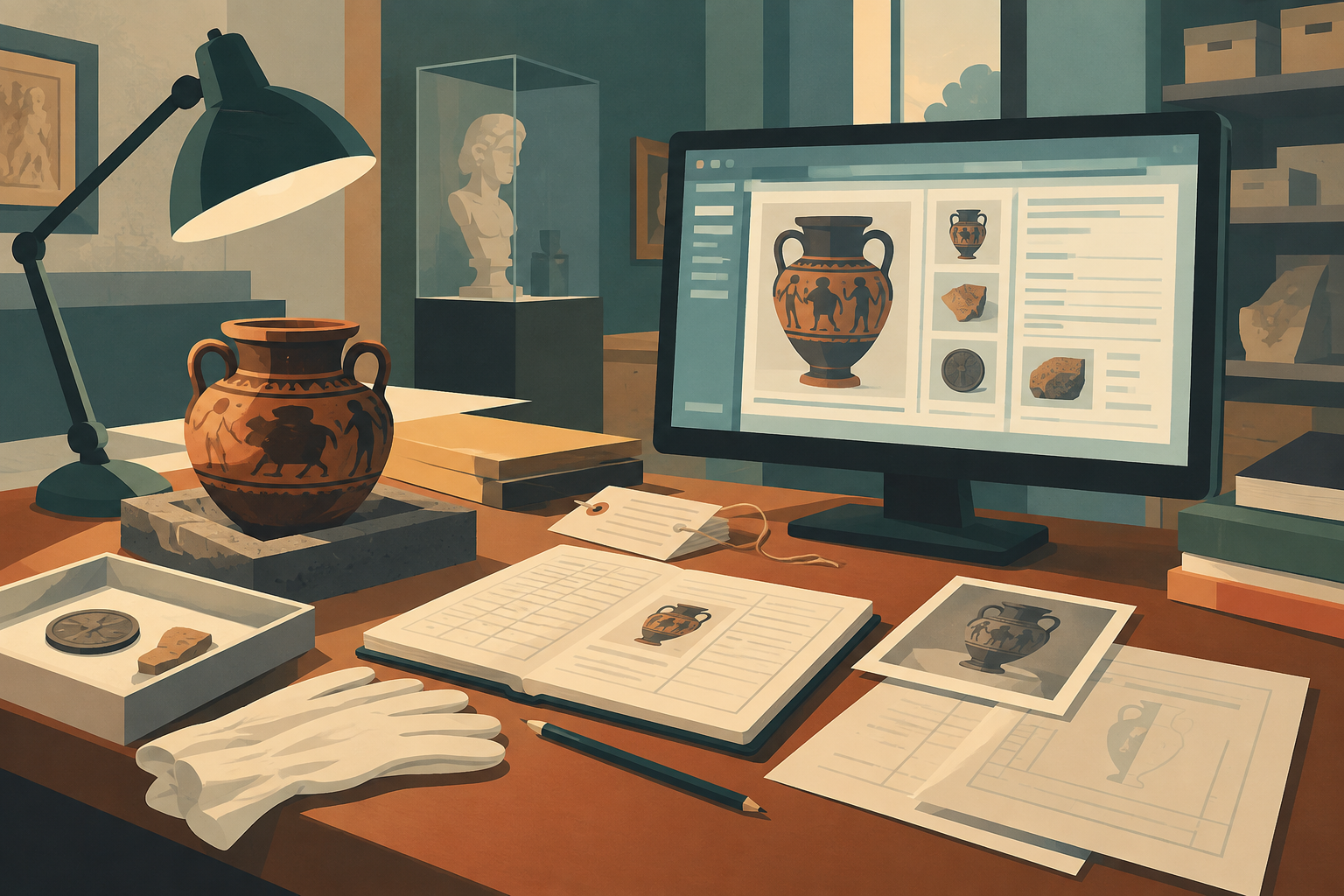
The distinction matters. A digital photograph offers a way to consult an object, but it does not automatically explain what the object represents, where it came from, or what records accompany it. According to Spain’s Ministry of Culture, the archives of state museums preserve documentation relating to the objects they hold from the moment of deposit. In the case discussed on that page, records may document deposits after 1939 of goods that had previously been seized. Documentation is not an ornamental extra: it forms part of the history through which an object can be studied.
The archive belongs with the collection
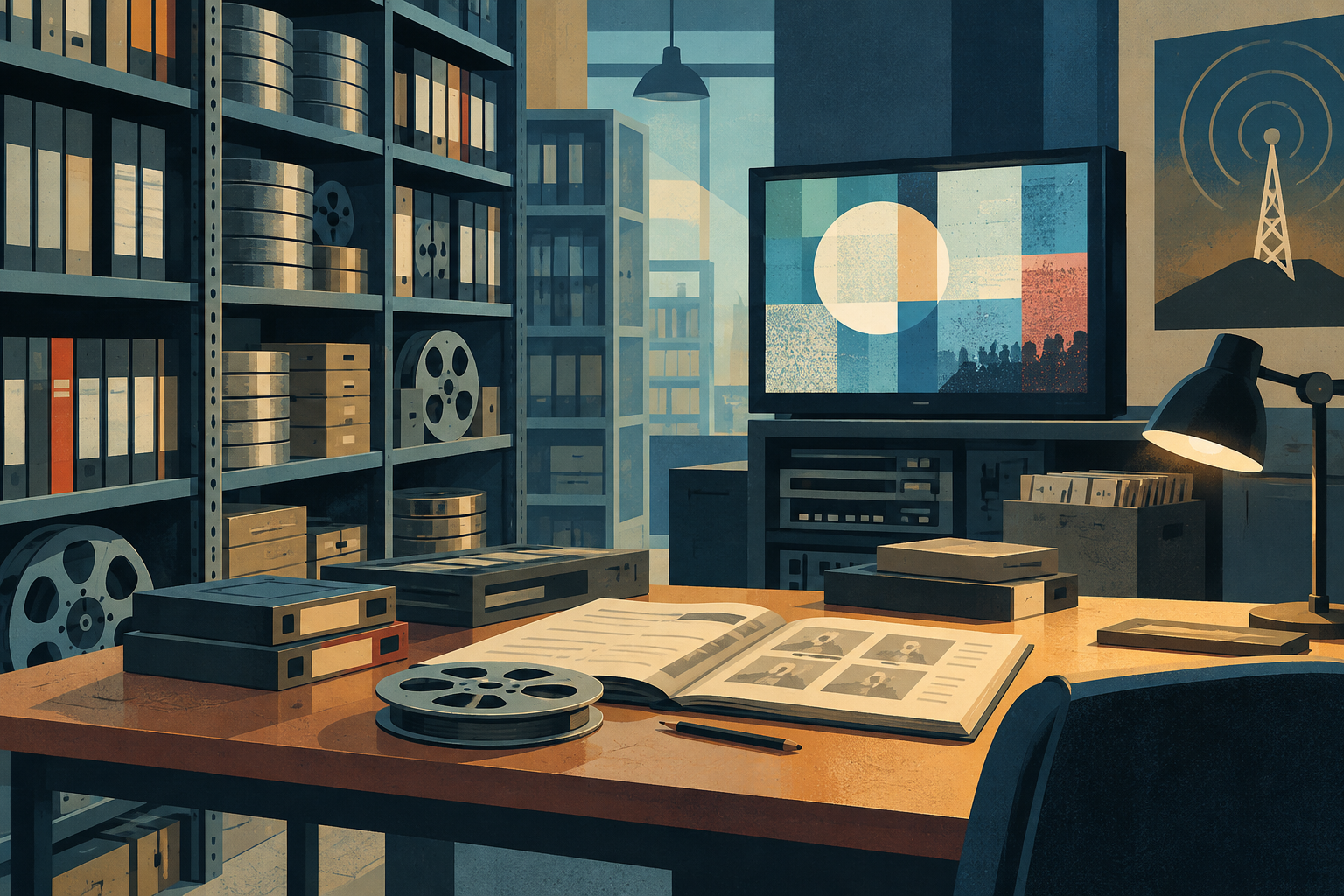
Navarra’s instructions for managing museum archives stress that documentation relating to objects is inseparable from them and should remain within the institution. They also describe museum documentation in two senses: as a body of documents with diverse origins, formats, and cultural value, and as a process requiring organization. The practical implication is straightforward: a museum does not fully preserve an object if it loses the ability to locate and understand the records associated with it.
A text published in SEDIC’s Clip journal emphasizes assigning unique names to archival documents and retaining contextual metadata that makes them findable. For a digital collection, that means an image needs consistent identifiers and documentary relationships. The aim is not to turn every object into an endlessly long record, but to avoid making access depend on remembering an informal name or visually recognizing one item among many.
A gradual transformation, not a switch
EVE Museos + Innovación describes museums’ adoption of computing and the internet as gradual rather than sudden. Its 2020 article identifies collection digitization as one early step in this transformation, defining digitization as the creation of a digital representation of an object, document, or concept. This helps avoid an overly simple account in which a museum “becomes digital” on a single date.
Bellido Gant and Ruiz Torres’s study of new-generation museums examines the screen as a point of access and mentions online-museum initiatives in Latin America and the Caribbean. It also cautions against an exclusively celebratory view of technology. That warning is useful: a screen can change how people reach a collection, but it does not remove the need to explain what they are seeing or the limits of that representation.
Wider access demands more context
Digital narratives can combine text, images, audiovisual material, and interactive elements, according to EVE Museos + Innovación’s discussion of conservation and digital narratives. These tools create opportunities to present relationships and facilitate access. Their interpretive value, however, does not reside automatically in the interface. It depends on choices about what to include, on the quality of the documentation, and on whether visitors can distinguish the object from its digital reproduction and accompanying explanation.
An article in Diario de Pozuelo explicitly asks whether museums preserve history or lose context as they adapt to the digital age. The available material cannot support a universal answer; it would be excessive to claim that technology necessarily produces either outcome. It does support a reasonable editorial principle: assess a digital project not only by how many objects it displays, but also by the information and relationships it preserves around them.
What can be said—and what remains open
The sources support three points: digitization can broaden access; archives and metadata help people find and contextualize documentation; and museums’ adoption of technology is described as a process affecting several institutional functions. They do not provide a systematic comparison of outcomes across museums, usage metrics, or enough evidence to conclude that one particular platform preserves better than another.
For that reason, the history of museum technology should not be told only through visible devices. It also lies in the structures that connect objects, documents, and descriptions. An online catalogue can bring a collection closer to new audiences; a well-organized archive helps ensure that this access does not detach objects from their histories. The screen is a useful doorway, but context is what makes it possible to understand what lies beyond.
- Decade
- 2000s
- Region
- Spain
- Level
- Enthusiast
- Entities
- Museum
Sources and references
- El papel de los museos en la era digital: ¿estamos preservando la historia o perdiendo contexto?www.diariodepozuelo.es · 2026-09-27
- ARCHIVOS DE LOS MUSEOS ESTATALES - | Ministerio de Culturawww.cultura.gob.es · 2026-09-27
- Breve Historia de la Transformación Digital en Museos - EVE Museos + Innovaciónevemuseografia.com · 2026-09-27
- Clip de SEDIC, Revista de la Sociedad Española de Documentación eedicionsedic.es · 2026-09-27
- instrucciones para la gestión y organización de archivos ...www.navarra.es · 2026-09-27
- MUSEOS DE NUEVA GENERACIÓN: LA PANTALLA ...www.ugr.es · 2026-09-27
- Archivos de Museo: Funcionamiento - EVE Museos + Innovaciónevemuseografia.com · 2026-09-27