Old Software Is Not Preserved Simply by Downloading It
A guide to what virtual museums, emulation and community collections contribute to access to old software—and what context is still missing even when a program runs again.
Open storyArchive of technology, entertainment and everyday life
A guide to what virtual museums, emulation and community collections contribute to access to old software—and what context is still missing even when a program runs again.
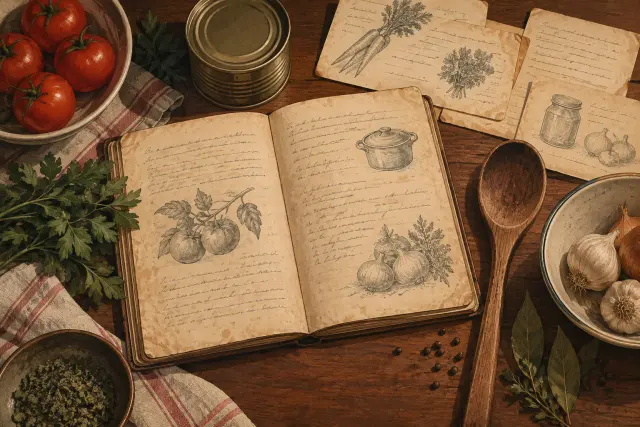
Open storyRecipe books, labels, tins and culinary documents can be read as evidence of habits, aesthetics and memory, provided they are preserved and contextualised without turning nostalgia into automatic historical proof.
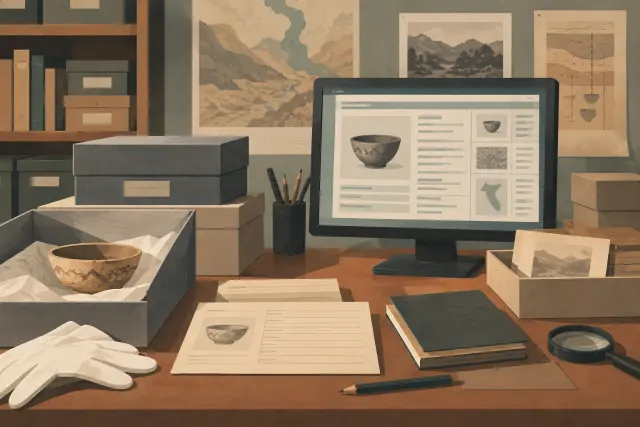
Open storyA digital copy can broaden access to a collection, but it cannot by itself replace the documentation explaining what an object is, where it came from, and how it reached a museum. This editorial guide examines the value of metadata, archives, and digital narratives in preserving technology and material culture without losing meaning.
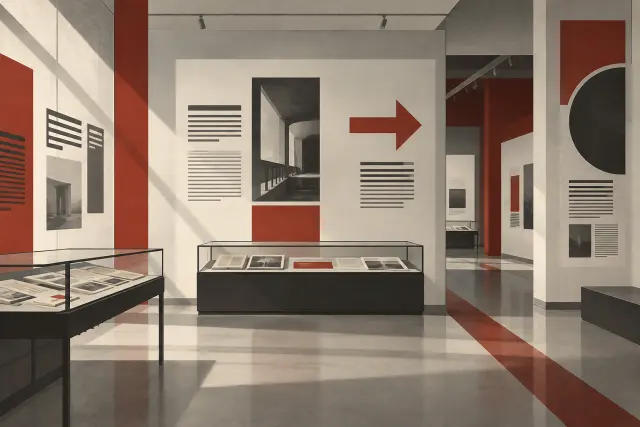
Open storySignage, labels, catalogues and promotional material are not merely packaging for collections. Drawing on sources about documentation, archives and museum practice, this article examines how design structures a visit, shapes public interpretation and should be preserved with its context.
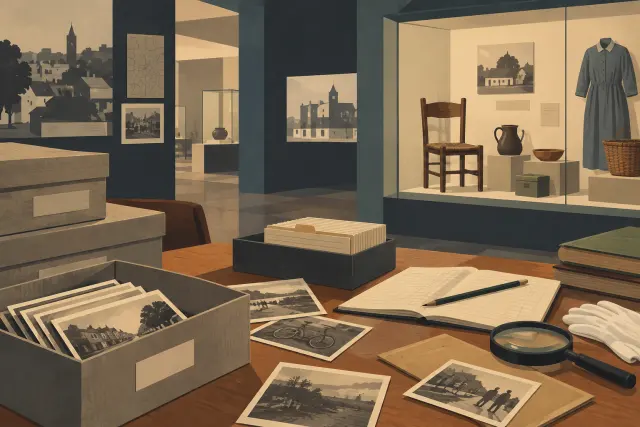
Open storyMuseum archives and collections do not only gather exceptional objects: they also make it possible to study everyday activities, customs, and relationships. Drawing on documented holdings in Spain and Latin America, this article examines what can be stated about that work and its limits.
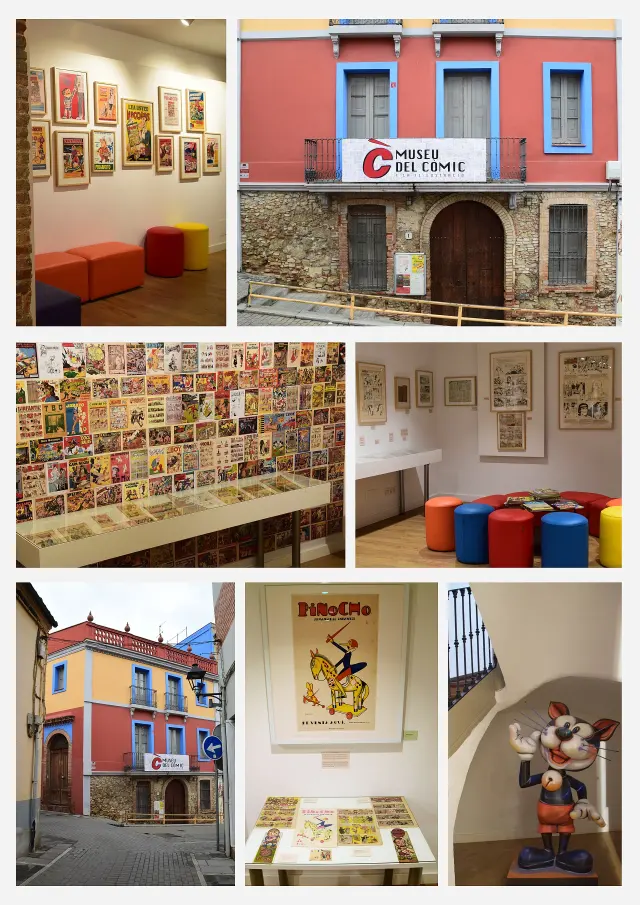
Open storyComics and magazines cease to be ephemeral materials when an institution, collection or digitisation project contextualises, describes and preserves them. Drawing on sources about the Museu del Còmic i la Il·lustració, public archives and digital-preservation studies, this article examines what can be verified about that transition.
Open storyWinWorld and Virtual OS Museum illustrate two models of digital preservation: collecting historic programs and making old operating systems explorable on current machines. Their value is not limited to downloading; it lies in recovering contexts of use that version lists alone cannot explain.
Open storyThe return of products, visual languages and references from earlier decades is not a simple reproduction of the past. Drawing on academic and journalistic sources, this analysis examines contemporary retro as an operation in design, consumption and identity, while identifying what the available evidence does not allow us to conclude.
Open storyStickers do not automatically have to become institutional heritage to deserve documentary attention. Drawing on Modena’s Museo della Figurina and basic principles of inventory, conservation and museum context, this analysis treats the album as a cultural source: a set of printed objects, themes, uses and memories in which the information matters as much as each item.
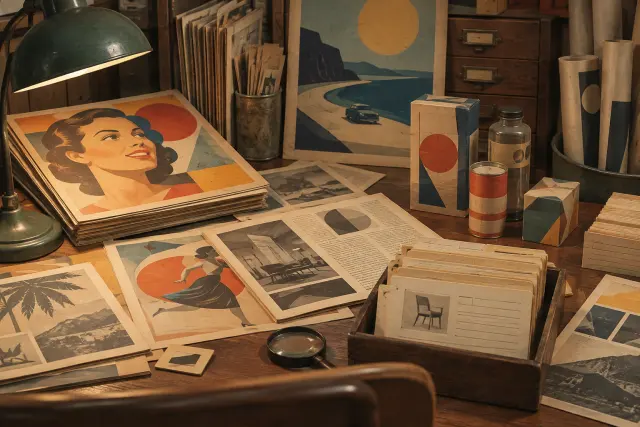
Open storyPosters, advertisements, packaging, magazines and displays are not merely commercial media: they can also be used to study visual techniques, media and cultural contexts. This guide proposes reading them as documents, while addressing their limits and the importance of cataloguing.
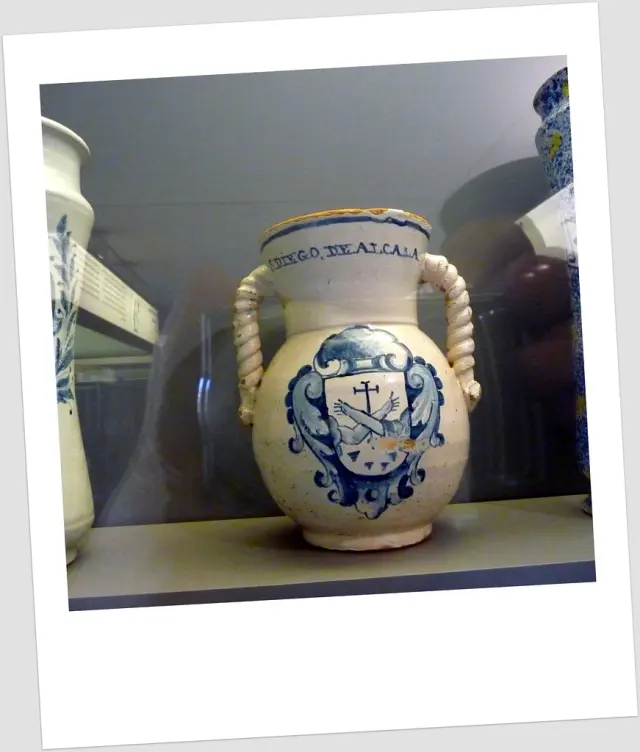
Open storyThe collections, archives and historical texts of the National Museum of Decorative Arts make it possible to read decoration not merely as ornament, but as the result of production, craft, consumption, design and display.
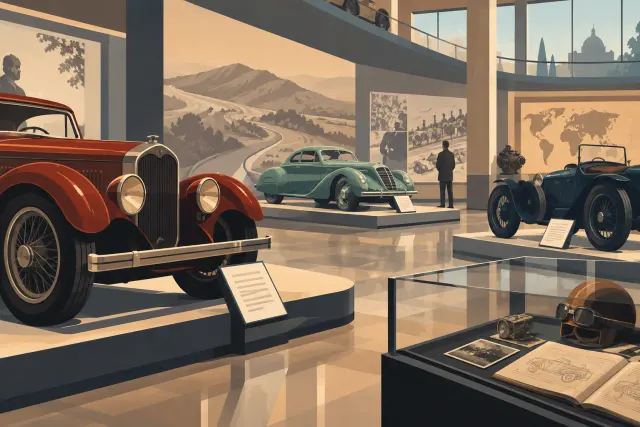
Open storyMotor museums do more than assemble cars and motorcycles: they preserve technical objects, archives and contexts that allow vehicles to be read as industrial, social and cultural heritage.
Open story