The Screen Is No Window: Reading Cinema as History
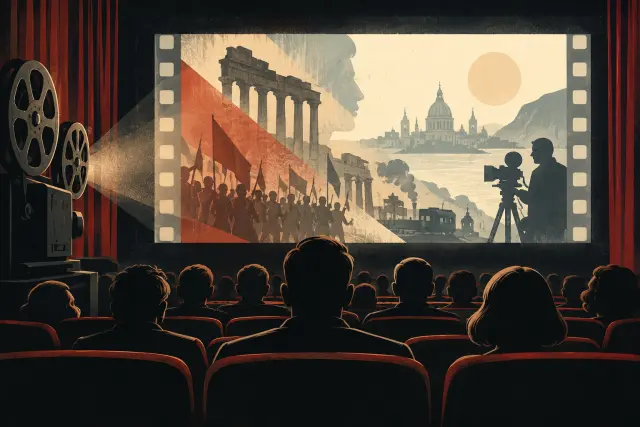
Cinema can represent events, periods and memories, but its images need context. A careful reading distinguishes what a film depicts from what its choices allow us to study.
Open storyArchive of technology, entertainment and everyday life
Cinema can represent events, periods and memories, but its images need context. A careful reading distinguishes what a film depicts from what its choices allow us to study.
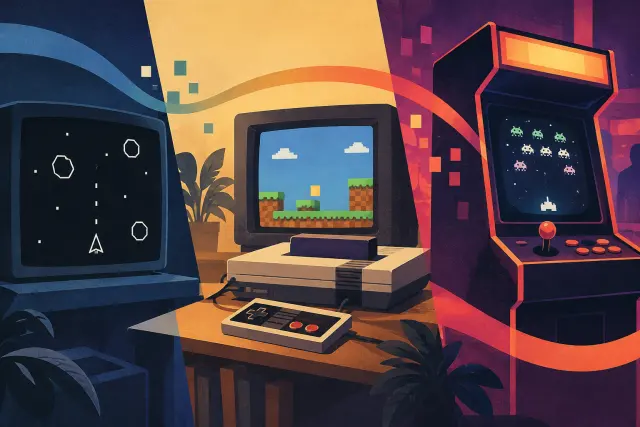
Open storyAvailable accounts place video games in different contexts: computer research, electronic entertainment and the home market. Comparing them helps distinguish documented milestones from familiar simplifications.
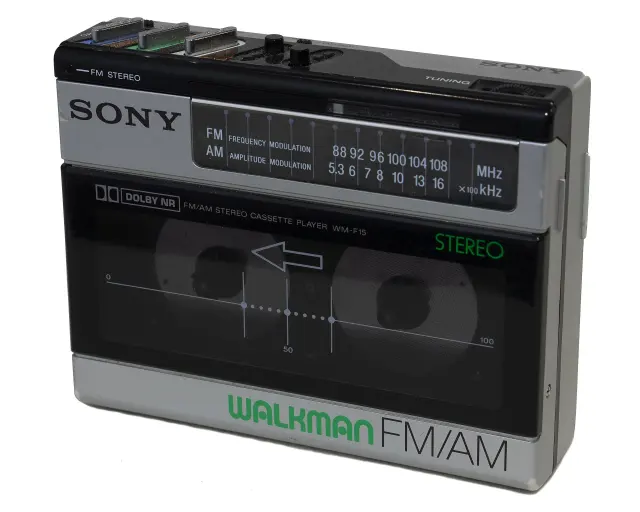
Open storyFrom the phonograph to the portable player, changes in formats also transformed where and how people listened to music. The Walkman’s history offers an entry point into that transition—and into what objects and archives can tell us about it.
Open storyThe collections of UPM’s Historical Computer Museum offer a route through changes in machines, media and networks, showing why context matters as much as each device.
Open storyReleased in 1972, the Magnavox Odyssey brought video games into the home with an approach quite different from that of later consoles. Its history helps explain how some conventions of home gaming took shape—and why claims about the “first console” need careful qualification.
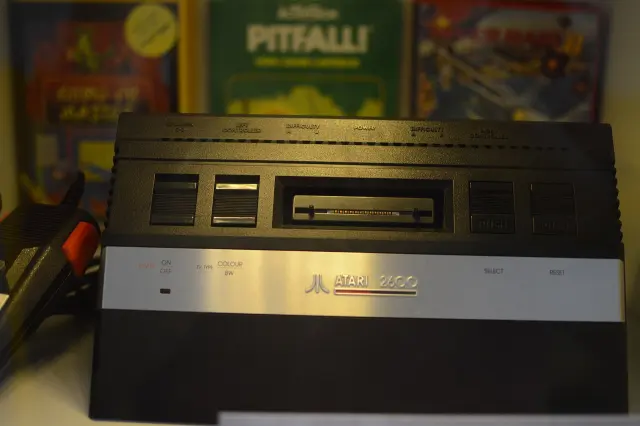
Open storyBetween 1976 and 1982, several home consoles adopted cartridges capable of containing the game experience. The transition expanded what a system could offer, though the sources also show its limits: uneven adoption, different markets, and an industry vulnerable to oversupply.
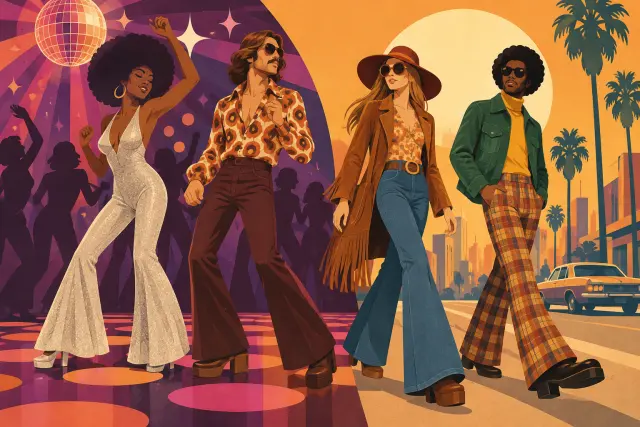
Open storyA cautious reading of the available sources on 1970s fashion: disco aesthetics, synthetic materials and the influence of urban cultures emerge as distinct strands, not as one uniform style.
Open storyAn introductory look at milestones in Japanese animation and its circulation, attentive to source discrepancies and to what the available evidence can support.
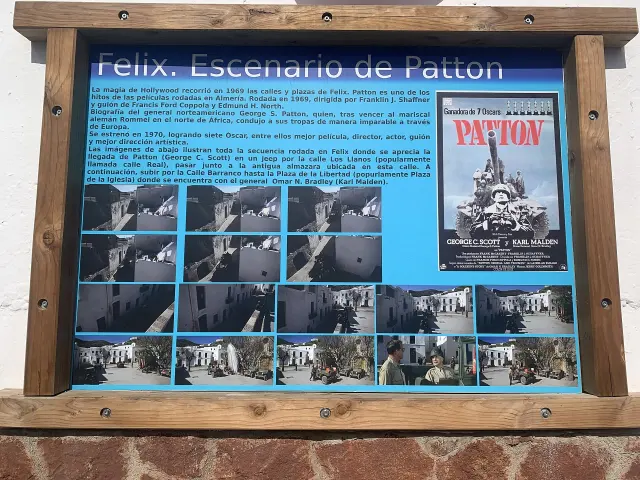
Open storyCinema can help us study how events are represented and remembered, but a film is not a transparent record of the past. Drawing on studies of cinema and history and references to films such as Patton (1970) and Nicholas and Alexandra (1971), this guide distinguishes event, representation, and memory, while observing the limits of what the available sources can establish.
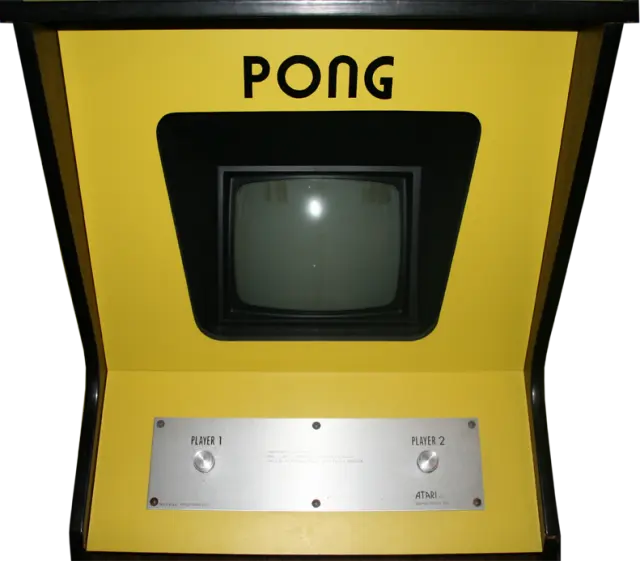
Open storyPong is often used as an entry point to the commercial history of video games. Drawing cautiously on the available evidence, this article traces its association with arcades in 1972 and Atari’s later move toward a home version, separating documented details from broader interpretations about the medium’s growth.
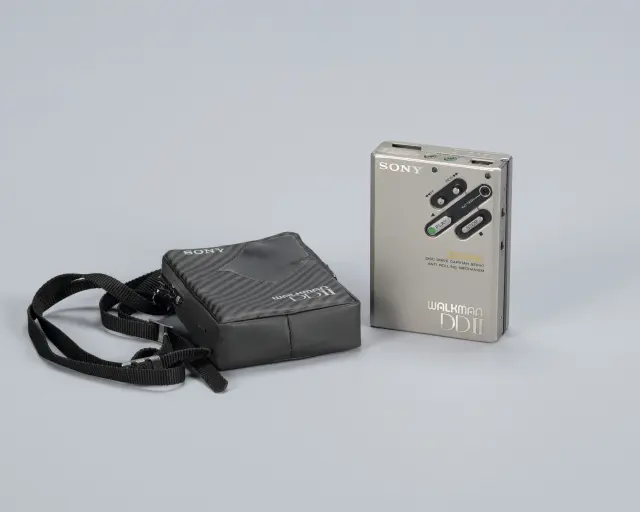
Open storyA cautious reading of two documented moments in the history of recorded music: the Museu de la Música de Barcelona’s acquisition of phonographs and gramophones in 1970, and the Walkman’s introduction as a portable stereo player in 1979. The comparison highlights changes in scale and use without mistaking the available evidence for a complete history of the format.
Open storyPicture stickers moved from accompanying consumer goods to forming organized album collections. Available sources mark an important shift in Panini’s history between its Italian collection of 1961 and the international 1970 World Cup album, and also document the circulation of stickers and albums in Spain.
Open story