The everyday does not always survive as an object
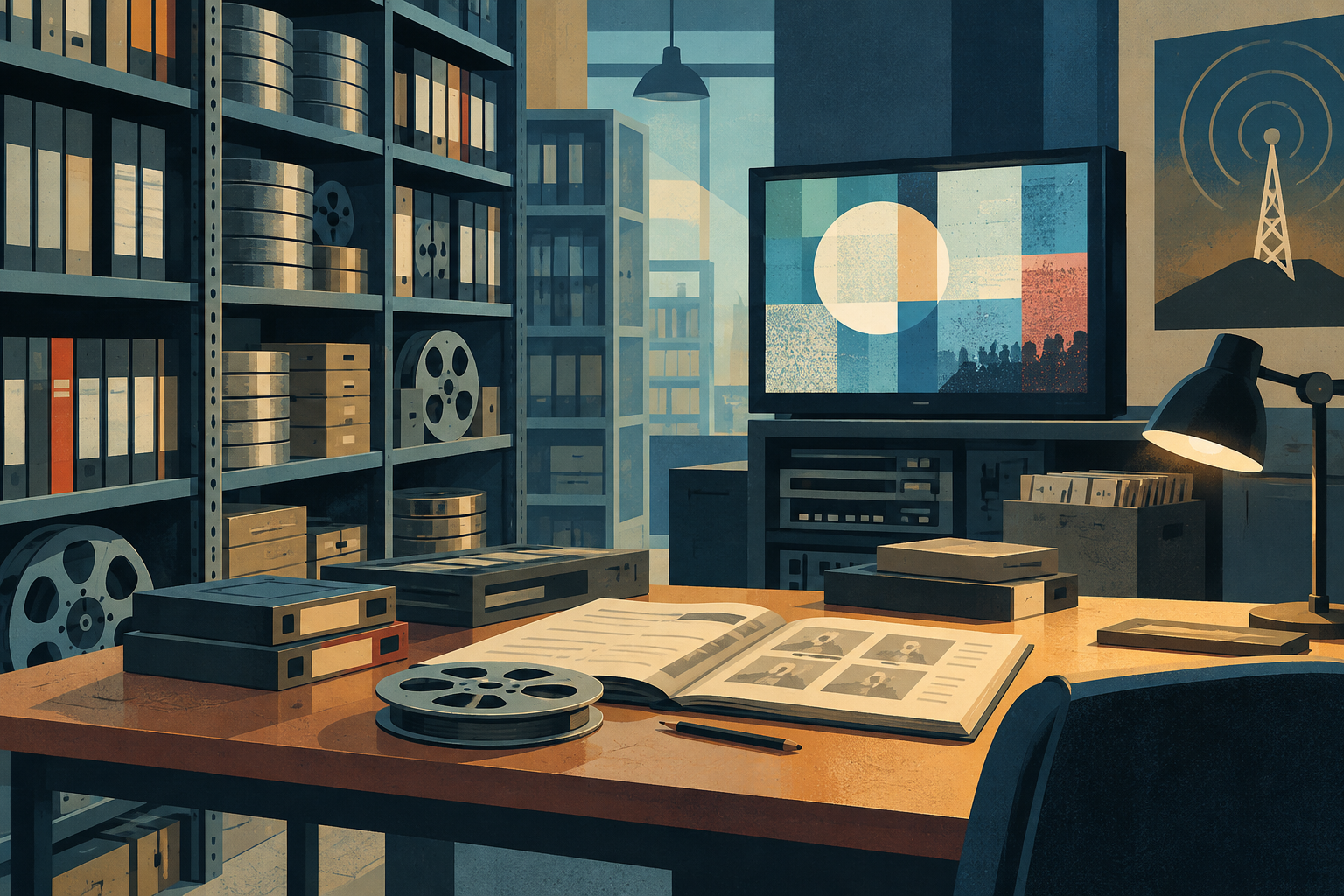
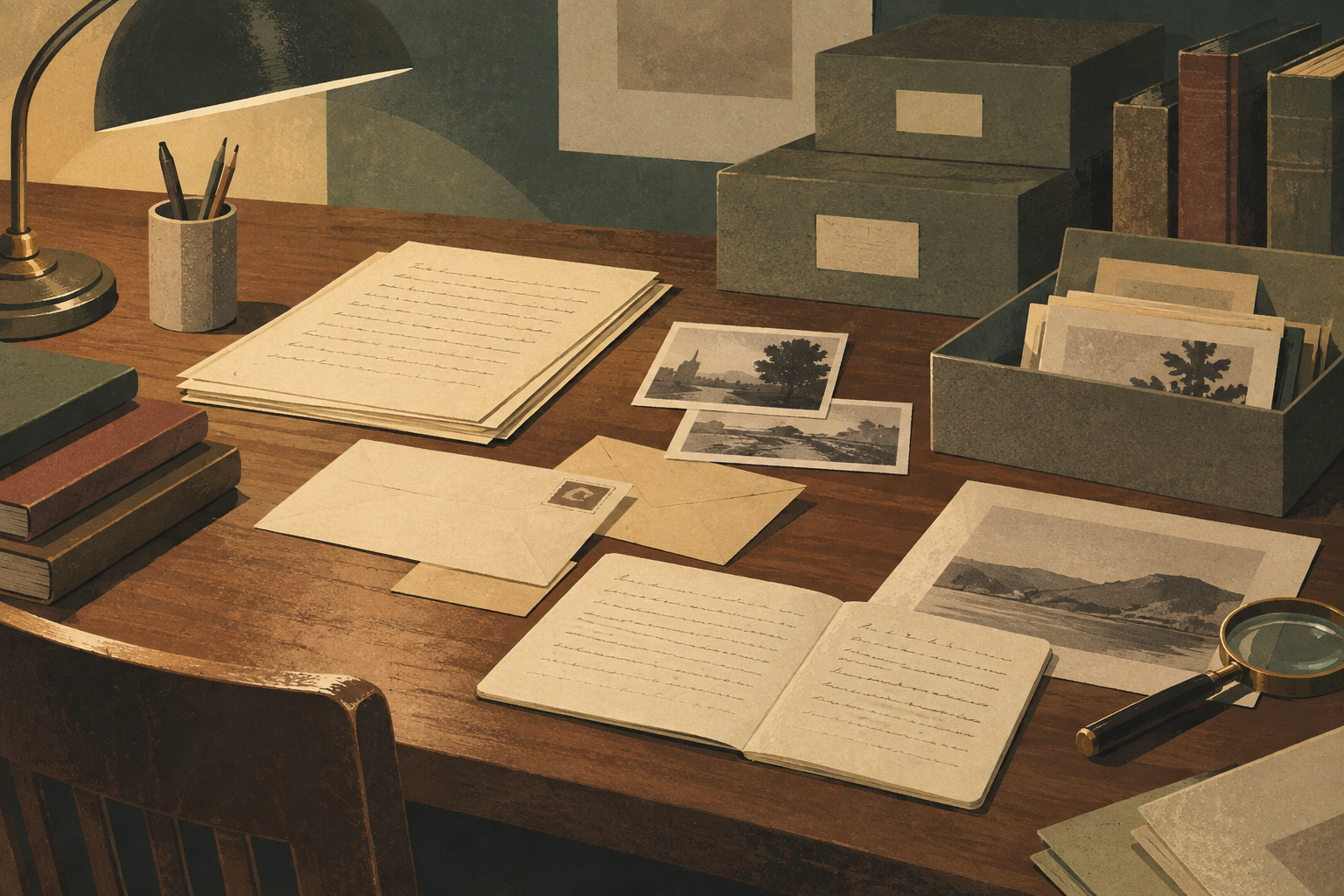
Museum collections often bring to mind exhibited pieces: objects selected for their form, material or significance. Yet the life of an institution, and of the communities around it, can also be recorded in documents. Museum archival practice includes records created by people, families or organizations in the course of their activities and selected for preservation because of their historical or cultural value. This offers another way to tell the story of everyday life: not only through what someone owned, but through what they wrote, organized or recorded.
Context is part of the evidence
A document on its own may say little. Provenance—who created it and in what setting—helps establish how it relates to other papers and to a particular activity. The National Archaeological Museum’s archive, for example, is described as written testimony to the museum’s life since its creation in 1867, alongside other personal and institutional fonds. The museum says its records reflect the people who shaped it, the history of its collections and its cultural and intellectual activities.
That does not make every document a transparent window. A record shows what someone had reason to write down and what has survived in the archive. The absence of an experience from the available papers does not prove that the experience never existed.
Everyday life at more than one scale
The examples in the supplied sources point to different scales. The archive of the Provincial Historical Museum of Santa Fe is identified as an institutional collection connected to the museum’s history. The archive of the Municipal Historical Museum of Rufino includes material about the railway, telegraph, founding of the city and everyday life across different periods. In Mexico, the description of the National Railway Museum’s archive mentions collections related to railway payrolls and institutional activity.
These cases are not interchangeable, but they suggest a useful question: what practices and relationships become visible when records of work, administration or institutional life are read in context? Such sources can guide research into everyday experience; on their own, they do not justify generalizations about everyone in a city, occupation or period.
Preservation also means organization
Preservation is not just a matter of physically keeping papers. A publication on managing museum archives stresses the value of giving each document a unique designation and retaining contextual information that makes it findable. It also notes that digitized images need sufficient metadata to be retrieved meaningfully. Without organization, a document may still exist yet become difficult to locate or interpret.
Access is not always immediate either. The National Museum of Anthropology’s archive notes that some collections require appointments because of their characteristics and conservation needs. This is a reminder that every archive has its own conditions: consultation and reproduction rules should be checked with the relevant institution.
What the archive can support
An academic article on private letters held at the General Archive of the Indies examines everyday life and women’s history in Guanajuato. Its approach demonstrates how a personal source can support carefully defined historical questions. Another work listed in the evidence concerns the reification of everyday life at BUAP’s University Historical Memory Museum. In both cases, the subject is not simply a matter of collecting testimony: selection, interpretation and presentation matter too.
Caution is part of the method. The supplied excerpts do not provide full inventories, detailed document examples or research findings that would allow specific routines to be reconstructed. They do support a narrower point: museum archives and personal sources can preserve traces of ordinary activity, and their usefulness depends on context, description and access.
A memory made of partial traces
Everyday life seldom leaves a single, orderly account. It may be scattered among institutional records, correspondence, work-related documents and other collections, each with its own limits. Treating these materials as contextualized evidence, rather than self-sufficient illustrations, makes it possible to approach the past without concealing its gaps. An archive does not return an entire life; it preserves traces from which better questions can be built.
- Decade
- 2000s
- Region
- Global
- Level
- Introduction
- Entities
- Museum
Sources and references
- Introducción a la Gestión de Archivos en Museos – EVE Museos + Innovaciónevemuseografia.com · 2026-09-27
- Censo-Guía de Archivos de España e Iberoaméricacensoarchivos.cultura.gob.es · 2026-09-27
- Censo-Guía de Archivos de España e Iberoaméricacensoarchivos.mcu.es · 2026-09-27
- Archivo histórico - | Ministerio de Culturawww.man.es · 2026-09-27
- Clip de SEDIC, Revista de la Sociedad Española de Documentación eedicionsedic.es · 2026-09-27
- Vida cotidiana e historia de mujeres. Guanajuato en las cartas privadas del Archivo General de Indias de Sevilladoi.org · 2026-09-27
- El Museo de la Memoria Histórica Universitaria de la BUAP: reificando la vida cotidianadoi.org · 2026-09-27