The Object Does Not Exhaust the Story
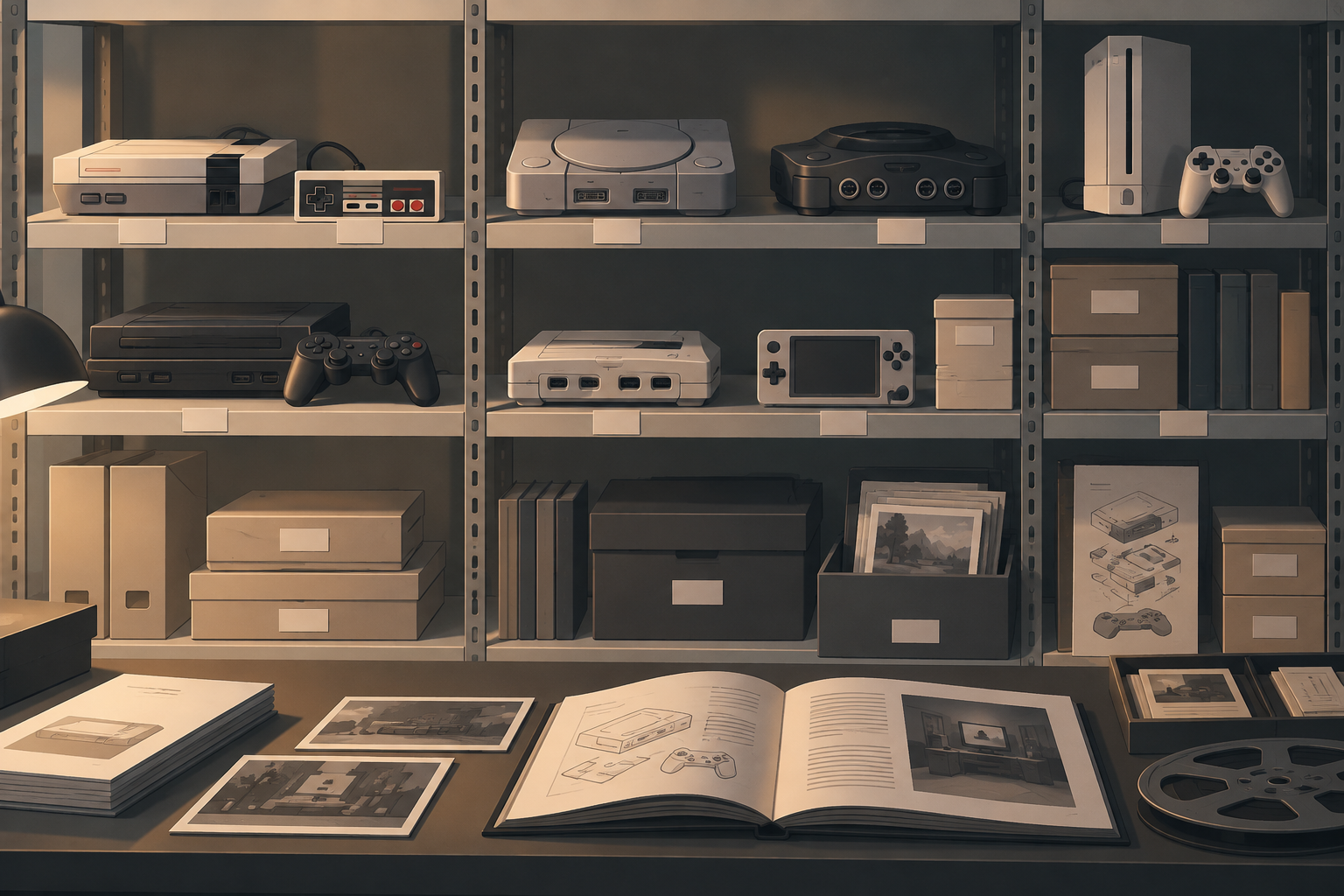
A console may take up little room in a display case while condensing many layers of experience: it was a technical device, a consumer good, a domestic presence, and, for some people, an entry point into play, exchange, and conversation. None of those layers is automatically explained by preserving its shell. The object matters, but it does not speak for itself.
Museum thinking has progressively moved beyond the simple gathering of valuable objects toward their preservation, study, display, and communication for social, educational, and recreational purposes. That approach suggests a useful question for any console collection: what, exactly, is being preserved? If the answer is only “a machine,” the reading will be limited. If it includes documentary traces and context of use, the collection can tell a fuller story without turning nostalgia into evidence.
From Isolated Piece to Documentary Set
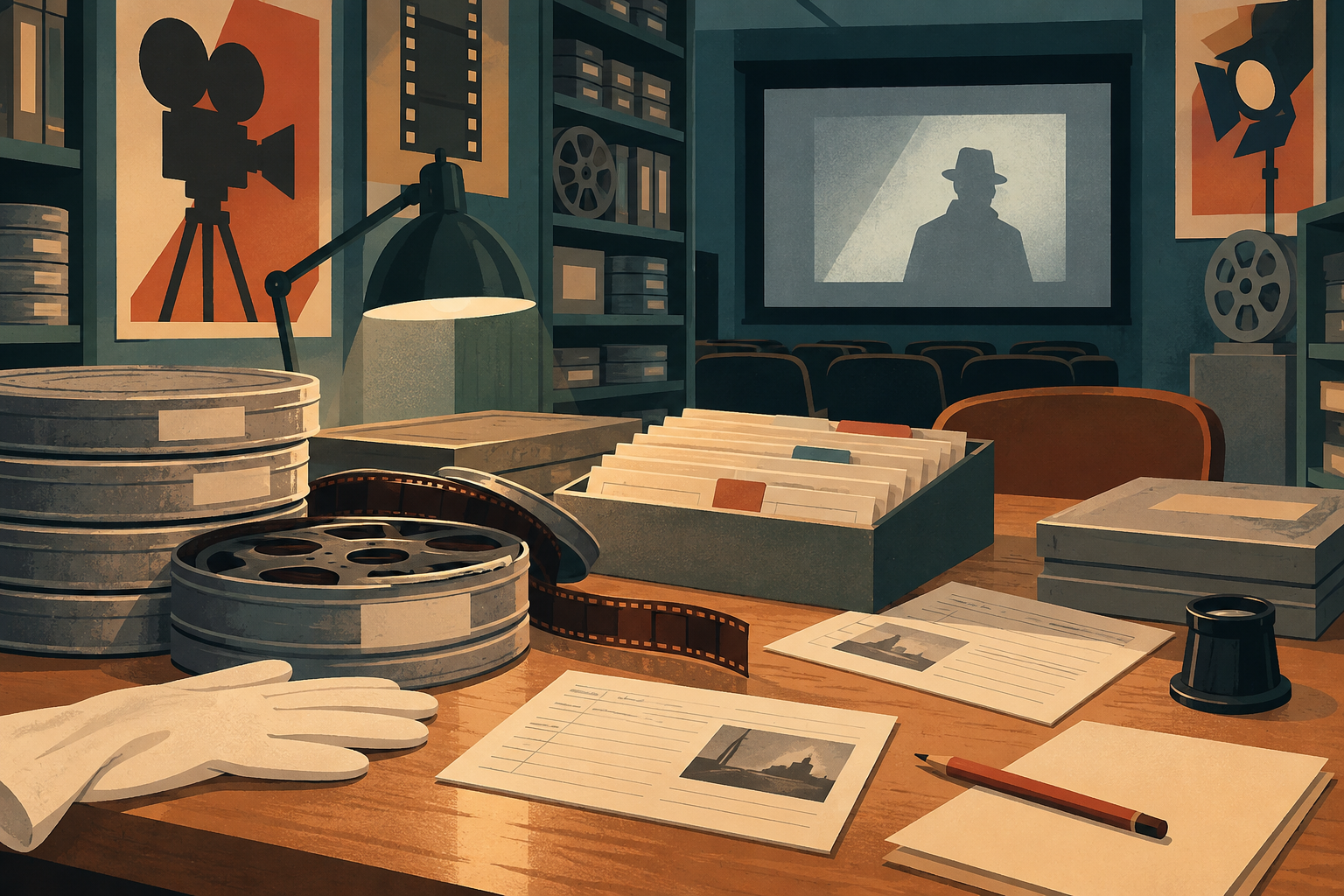
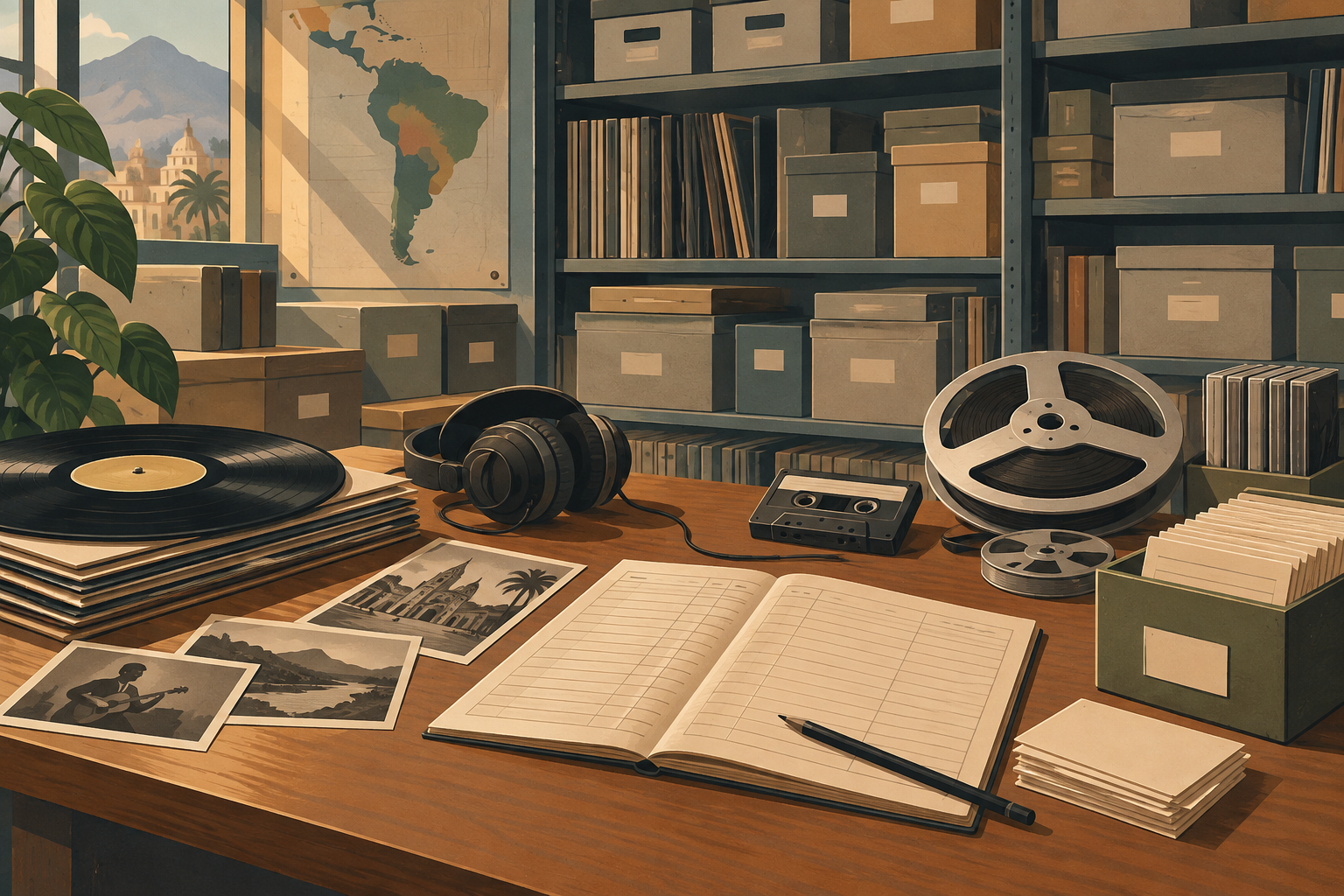
Writing on museum archives stresses that they document the history and development of institutions, collections, exhibitions, and programmes, as well as the contributions of related people and groups. Applied cautiously to a console collection, this does not mean declaring that every object has a complete archive. It means recognising that associated documentation can fundamentally change how a piece is interpreted.
An accession record, exhibition photograph, provenance entry, or note about how an object entered a collection is not merely administrative decoration. It forms part of the framework that lets us distinguish what is known, assumed, and unknown. For an undocumented console, it is legitimate to describe visible features and its present condition. It is not legitimate to invent who used it, where it stood, or what it meant to an entire generation.
That distinction matters especially in retro culture, where personal memory often fills documentary gaps. Memory deserves attention, but it should be presented as situated testimony rather than universal fact. Archives offer a useful discipline: date when possible, attribute when supported, and state limits when evidence is absent.
Preserving for People Yet to Come
Preventive conservation is described as a systematic, sustained process of maintenance and improvement. It is also framed as a responsibility toward future visitors. That idea changes the timescale for looking at a console. The aim is not simply to show something recognisable today; it is to prevent the object and its associated information from being irreversibly separated tomorrow.
Within a cultural collection, preservation does not necessarily mean intervening on the device. It may mean keeping documented links together: the object, its record, a photograph, and exhibition context. It may mean updating catalogue information when new evidence appears. It may mean not discarding apparently minor papers before assessing their research value.
Caution has narrative value here. A label stating “provenance undocumented” is more useful than an imagined biography. A record that distinguishes a verified date from an estimate protects the credibility of the whole collection. Missing information is also part of the history of objects and of the ways they were stored, sold, inherited, or discarded.
Context as a Form of Access
The idea of a living, participatory museum stresses contact between audiences and objects retained within their context. For consoles, “context” does not require a theatrical reconstruction of a room or a claim that every unit was used in the same way. It can begin with more modest choices: explaining why a piece is displayed alongside documentation, making clear which information comes from records, and allowing visitors to contribute identifiable, verifiable information.
Public access is not limited to display. Museum archives are valued because they document and because they enable access to records. In a collection of leisure technology, this invites us to treat an exhibition as an entry point to questions: what is known about the object, what materials accompany it, which gaps remain, and what future research might complete the account?
This approach avoids two extremes. One is the silent case, where the machine appears as a relic without relationships. The other is the total set, where a convincing atmosphere can make suggestion look like fact. Documentation makes possible an honest mediation between them.
Material Culture with Verifiable Limits
Museums do not preserve through accumulation alone. The consulted sources describe them as institutions committed to researching, preserving, studying, exhibiting, and communicating heritage. That formulation offers a framework for treating consoles as material culture without overstating what evidence permits.
The evidence available here concerns museum principles, preventive conservation, and archive management; it does not identify a particular console, brand, launch date, or specialist videogame collection. This article therefore does not establish the history of a specific system or make technical attributions. Its purpose is methodological: to show how archival and museum work can improve the interpretation of technological-culture objects.
The practical implication is straightforward. Before making a console an emblem of an era, ask which records support that reading. Before presenting an accessory as original to a piece, check whether that relationship is documented. Before using an anecdote as a broad explanation, preserve the contributor’s voice and define its scope.
Conclusion: Preserve Relationships, Not Only Surfaces
A preserved console can attract attention through design, material presence, or the memories it prompts. Yet a console accompanied by documentation and clearly expressed context can also teach how knowledge about the recent past is made. The difference does not lie in turning every object into an endless file. It lies in treating data, doubts, and absences as seriously as the visible piece.
Cultural preservation gains depth when object and archive remain connected. For a console collection, that connection lets visitors receive not only an image of the past, but also the tools to understand which parts of that image are supported, which are interpretations, and which still await research.
- Decade
- Contemporary
- Region
- Global
- Level
- Enthusiast
- Entities
- Museum
Sources and references
- Capítulo 1 - El concepto de museo y sus antecedentes históricos - Fco Javier Zubiaur Carreñowww.zubiaurcarreno.com · 2026-09-21
- Museum Internacional No 201 (Vol LI, n° 1, 1999) Conservación preventivawww.ibermuseos.org · 2026-09-21
- Introducción a la Gestión de Archivos en Museos – EVE Museos + Innovaciónevemuseografia.com · 2026-09-21
- Archivos de Museo: Funcionamiento - EVE Museos + Innovaciónevemuseografia.com · 2026-09-21
- BOLETÍN DE LA SOCIEDAD DE AMIGOS DE LA CULTURA DE VÉLEZ-MÁLAGA • 2013/ 12 17dialnet.unirioja.es · 2026-09-21
- 1 MUSEO DE HISTORIA DE MADRID PLAN MUSEOLÓGICO Noviembre 2011www.madrid.es · 2026-09-21