The ordinary changes too
Everyday life can seem transparent: eating, travelling, working, dressing, shopping, caring, talking and resting are repeated actions that appear not to need explanation. Yet research into everyday life begins from the opposite premise. Routines are neither fixed nor universal. They change with social conditions, labour, space, norms, available technologies and relationships.
This means leaving behind a common retro-culture assumption: that one object, photograph or memory can reconstruct “how people lived.” Such material can be an excellent starting point, but it is not complete proof. A cup, uniform, notebook or advertisement shows something. By itself, it does not establish who could use it, under what conditions, how often, or what it meant to people.
From nostalgia to a question
The history of everyday life shifts attention from major events to the practices of individuals and groups. This does not make small things trivial. It allows questions about how time, money, home, work and contact with others were organised.
Rather than asking only, “What was in a home?”, ask: what task did this object enable, who was expected to perform it, what effort did it save or create, and what norms of order, gender, age or class shaped it? A kitchen image may open inquiry into supply, care, consumption, housing or energy. None of those conclusions should be presumed without context.
Objects are traces, not self-sufficient witnesses
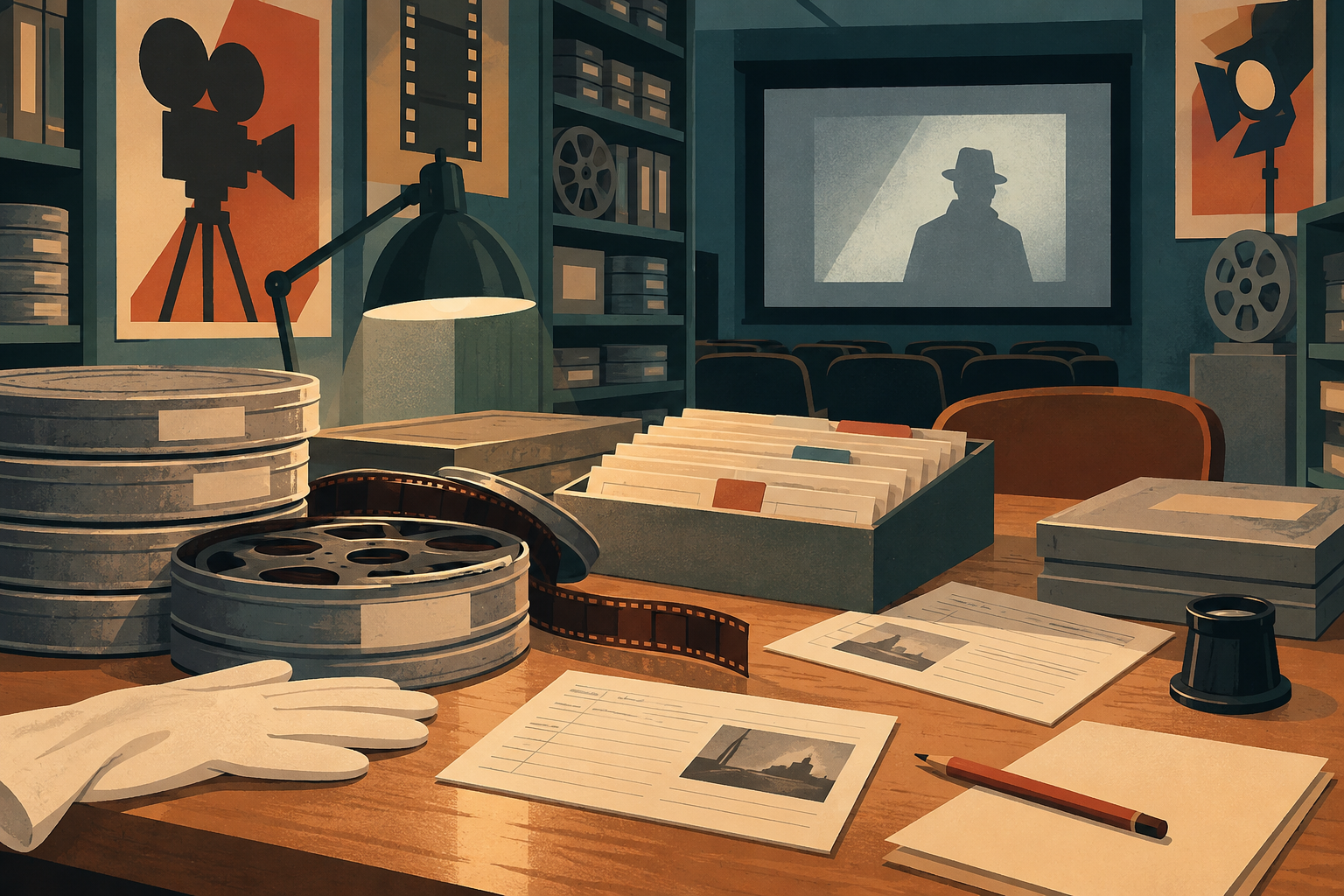
Artefacts help organise daily life: they shape gestures, time and possibility. An ordinary product may point to a practice, but it rarely reveals its social reach without other sources. The surviving object is also often exceptional: somebody chose to keep, sell, catalogue or photograph it. What disappeared—the cheap, repaired, disposable or intimate—may matter just as much.
Begin with what can be verified: materials, markings, format, wear, documented provenance and known date. Claims that something “changed everyone’s life” or was “essential in every home” are far larger and require evidence of circulation, access and use. The gap between those levels is where responsible editing begins.
Cross sources and retain doubt
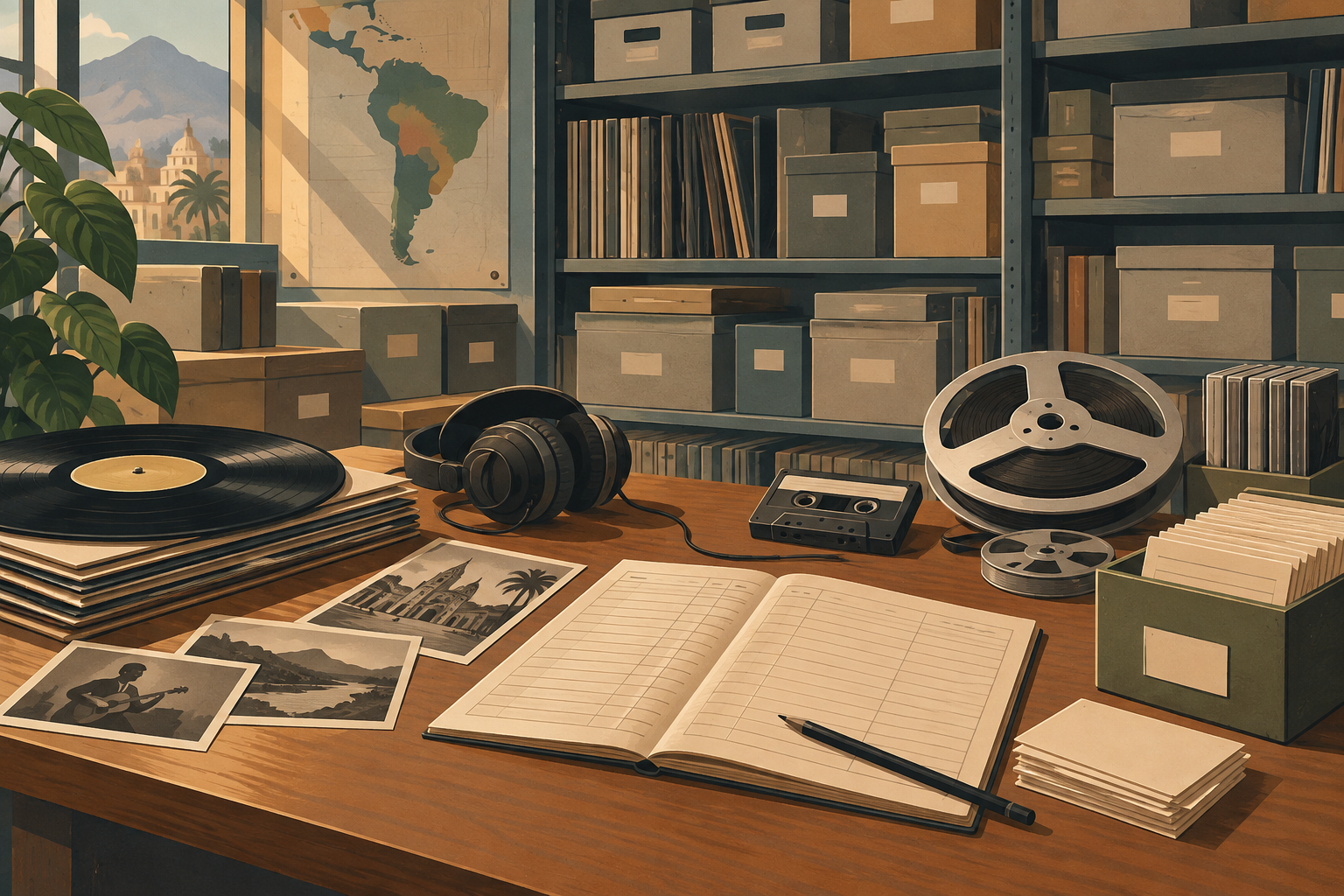
Work on everyday life stresses that private testimony, while valuable, needs comparison. A family memory may preserve details absent from administrative records, but it also selects, forgets and reinterprets. Statistics may show trends without revealing one person’s intimate experience. Factory rules, court files, commercial records, letters, photographs and family archives answer different questions.
A strong article therefore does not use sources as decoration. It puts them in conversation. If a photograph appears to show a custom, other evidence should help place its location, date, social group and material conditions. When that cannot be done, the limit should be stated plainly: an image documents a scene, not a general rule.
Scale matters
Speaking of “everyday life” in the singular can hide decisive differences. A working-class neighbourhood’s routine is not the same as that of a rural community; women’s labour is not necessarily distributed like men’s; childhood, old age, migration and insecurity alter access to spaces and objects. Practices also vary within one city or family.
Context is not decorative background. It explains why a practice was possible, necessary, desired or imposed. Questions about wages, housing, transport, regulations, goods availability and support networks prevent the past from becoming a flat postcard.
An editorial method for RetroPause
Start with a specific scene and a limited question. Separate observation from interpretation; identify which sources speak from within experience and which record external structures; then seek agreement or contradiction. The piece becomes stronger when it acknowledges what it cannot establish.
This does not remove emotion from memory. It places it. Nostalgia can explain why an object matters now, but it cannot replace research into what it did then. Careful attention to routines restores historical weight to apparently minor gestures while protecting readers from turning a partial experience into universal truth.
Conclusion
Everyday life matters not because it is a collection of domestic curiosities, but because social relations, habits and material limits are made within it. Reading it historically means looking carefully: at things, at those who used them, at those unable to access them, and at the traces they left. The result is not a simpler or more picturesque past, but a more human and more complex one.
- Decade
- Contemporary
- Region
- Global
- Level
- Introduction
- Entities
- No linked entities
Sources and references
- Project MUSE - Introducción a la historia de la vida cotidianamuse.jhu.edu · 2026-09-18
- La vida cotidiana como espacio de construcción socialwww.redalyc.org · 2026-09-18
- Introducción a la historia de la vida cotidiana on JSTORwww.jstor.org · 2026-09-18
- MOMENTO 2. La evolución de la vida cotidiana: investigación y cronología | La vida cotidianabnescolar.bne.es · 2026-09-18
- Los artefactos como objetos de conocimiento en ...dialnet.unirioja.es · 2026-09-18