The present needs an archive too
Contemporary retro culture often looks at devices, images and practices that remain close to us. That proximity can make their traces seem safe by default. Cultural preservation, however, begins before an item is regarded as “historic”: it requires identification, description, context and the retention of information that makes it understandable.
The Historical Archive of Spain’s National Archaeological Museum offers a useful principle for any collection: documentation reflects the people who shaped an institution, the history of its collections, and its intellectual and cultural activity. It is not merely administrative residue. It is part of what makes a collection readable in the future.
From the object to the documentary whole
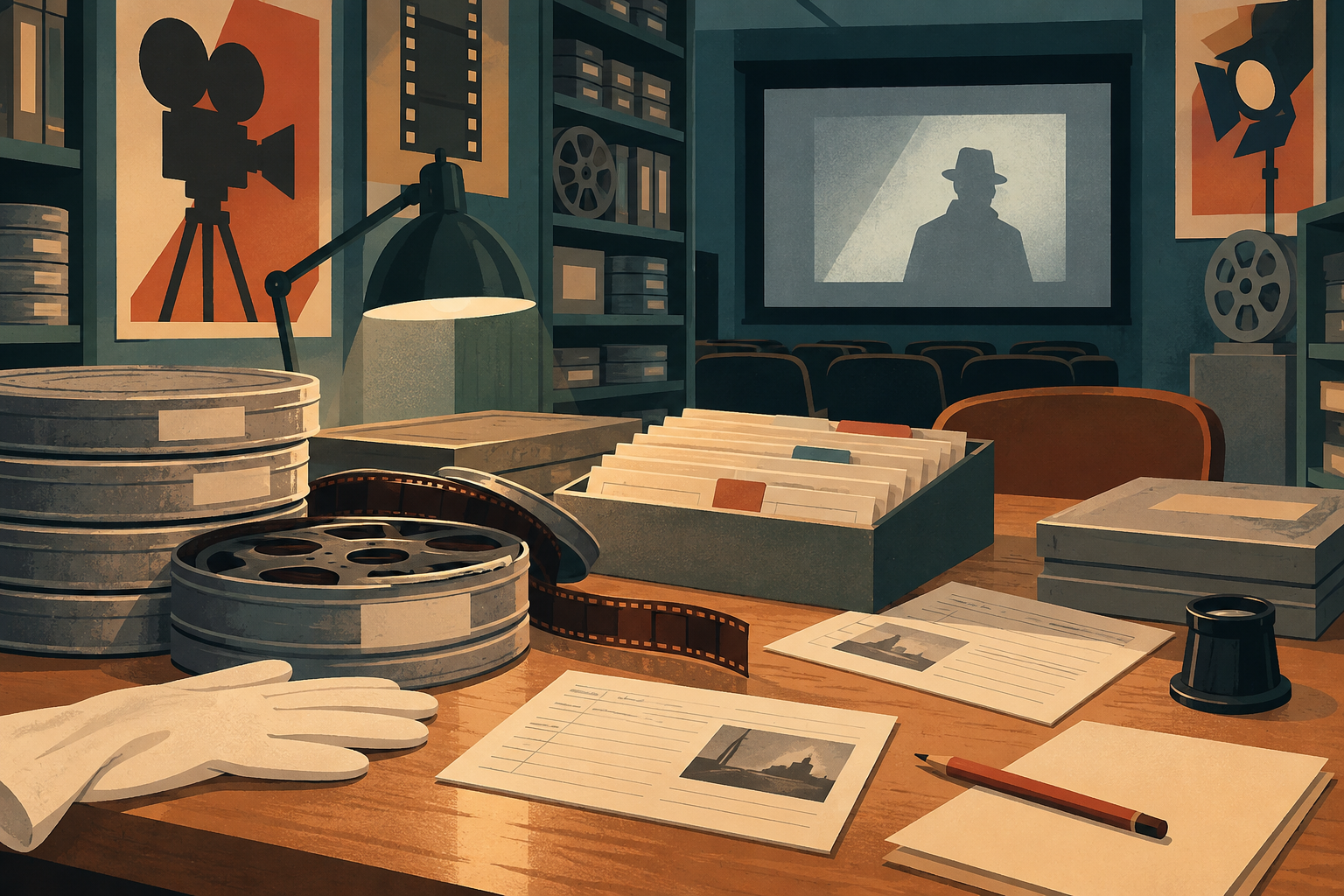
The Arkheia Documentation Centre at MUAC-UNAM is described in Spain’s archive census as a space for documentary conservation, knowledge production and dissemination. Its remit includes paper, moving images, photography and other electronic technologies, as well as testimonies of material culture.
That range matters because it challenges a narrow idea of heritage. A work, publication or activity record does not exhaust its meaning in a single surviving item. Associated documents can clarify circulation, production conditions, uses and the networks of people involved. In research on recent culture, this context can be as revealing as the visible object.
Preserving information, not matter alone
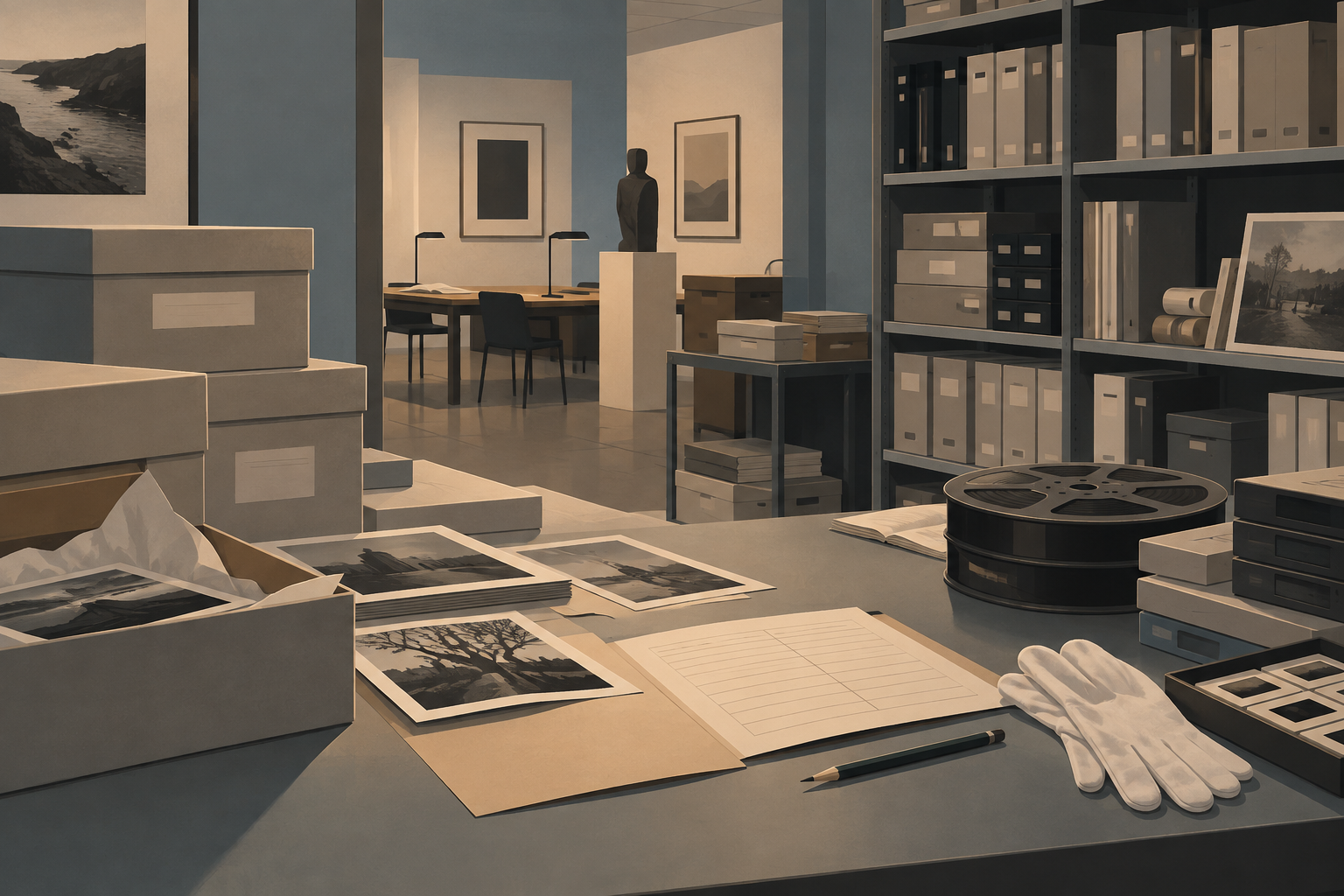
Spain’s National Museum of Decorative Arts defines conservation as a museum-wide task aimed at preserving both collections’ physical integrity and the historical-artistic information they convey. The latter point is crucial: cultural material does not communicate through substance alone.
A responsible approach should therefore not treat digitisation as complete preservation. A digital surrogate may support access, but it does not automatically provide description, provenance, original order or context. The available evidence does not establish one universal method; it does establish a close connection between conservation and documentary management.
Museums as places of access and exchange
Arkheia was conceived as a centre open to permanent consultation, research, exchange and knowledge networks. This makes the archive more than a closed store: it becomes cultural infrastructure. Cataloguing makes documents findable; consultation makes them comparable; mediation helps non-specialist audiences interpret them.
CER.es, Spain’s Digital Network of Museum Collections, provides a complementary public-facing model. Its existence should not be used to assume the scope of every record, yet it demonstrates the value of a shared access point for museum collections. Digital access broadens discovery without removing the need to preserve originals and maintain reliable data.
The contemporary challenge
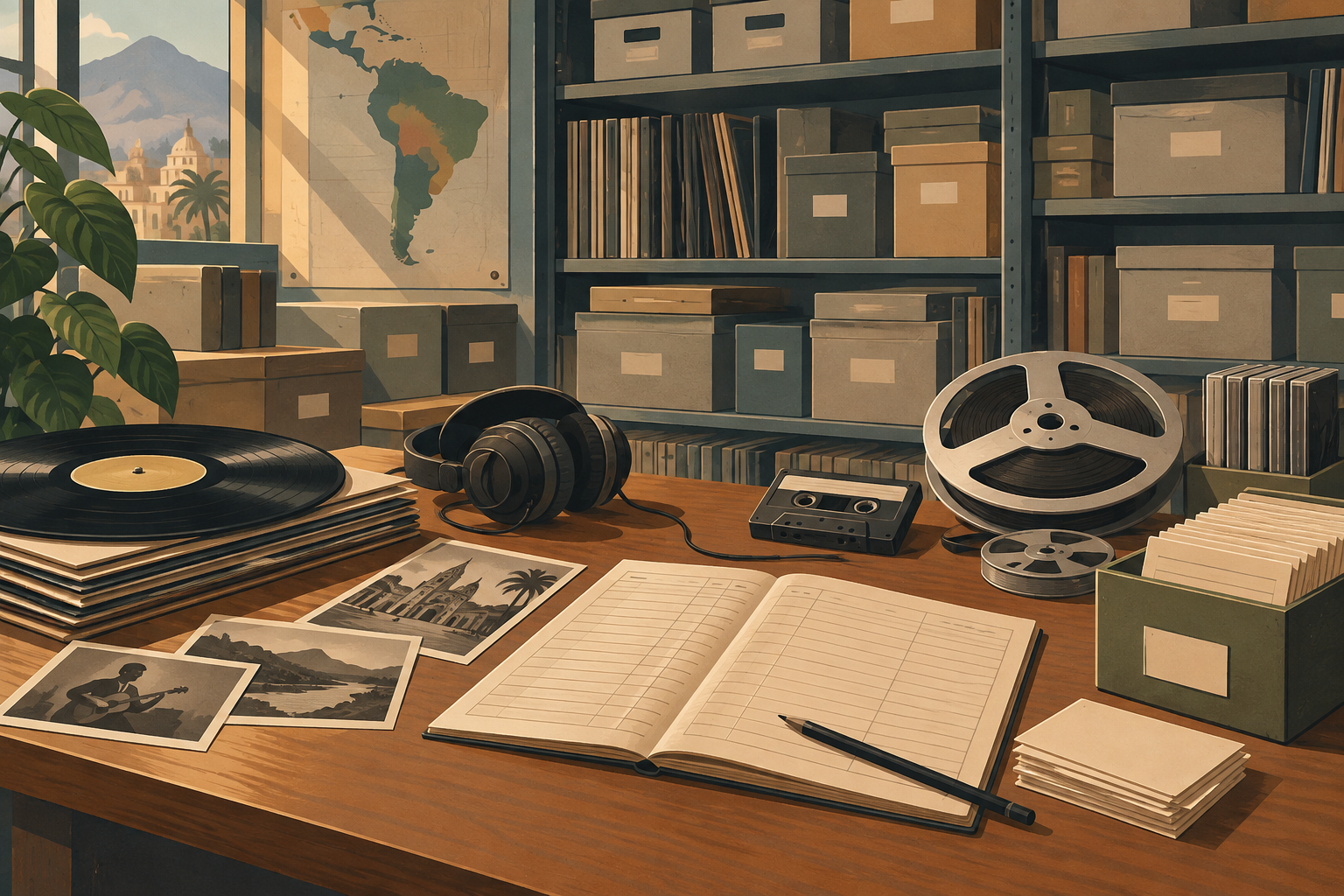
ICCROM reports a pilot study of contemporary-art collections in Argentine museums and a Buenos Aires meeting held from 2 to 4 September 2019. Registration, documentation, conservation and dialogue with artists were among the issues addressed.
This does not turn every contemporary-conservation problem into a single formula. It does show that professional institutions consider documentation and conservation together. Where varied media and decisive documentary components coexist, separating those dimensions completely can weaken interpretation and care.
Memory with verifiable limits
Archives are not total memory. They preserve what has been gathered, described and sustained under particular institutional conditions. They may also contain absences, inherited classifications and relationships that still require research. Treating them as a final version of the past would be misleading.
For contemporary retro culture, the practical lesson is straightforward: preservation means leaving intelligible traces. Inventories, production contexts, activity records and considered access prevent the present from becoming nostalgia without sources. A permanent museum institution can turn those traces into shared knowledge—not by freezing the present, but by allowing others to study, question and place it in time.
- Decade
- Contemporary
- Region
- Global
- Level
- Enthusiast
- Entities
- Centro de Documentación Arkheia, Museum
Sources and references
- Censo-Guía de Archivos de España e Iberoaméricacensoarchivos.cultura.gob.es · 2026-09-22
- Conservación de Arte Contemporáneo | ICCROMwww.iccrom.org · 2026-09-22
- Archivo histórico - | Ministerio de Culturawww.man.es · 2026-09-22
- CER.es Colecciones en Red - Ministerio de Culturaceres.mcu.es · 2026-09-22
- Conservación - Museo Nacional de Artes Decorativas | Ministerio de Culturawww.cultura.gob.es · 2026-09-22