A computer so history is not lost
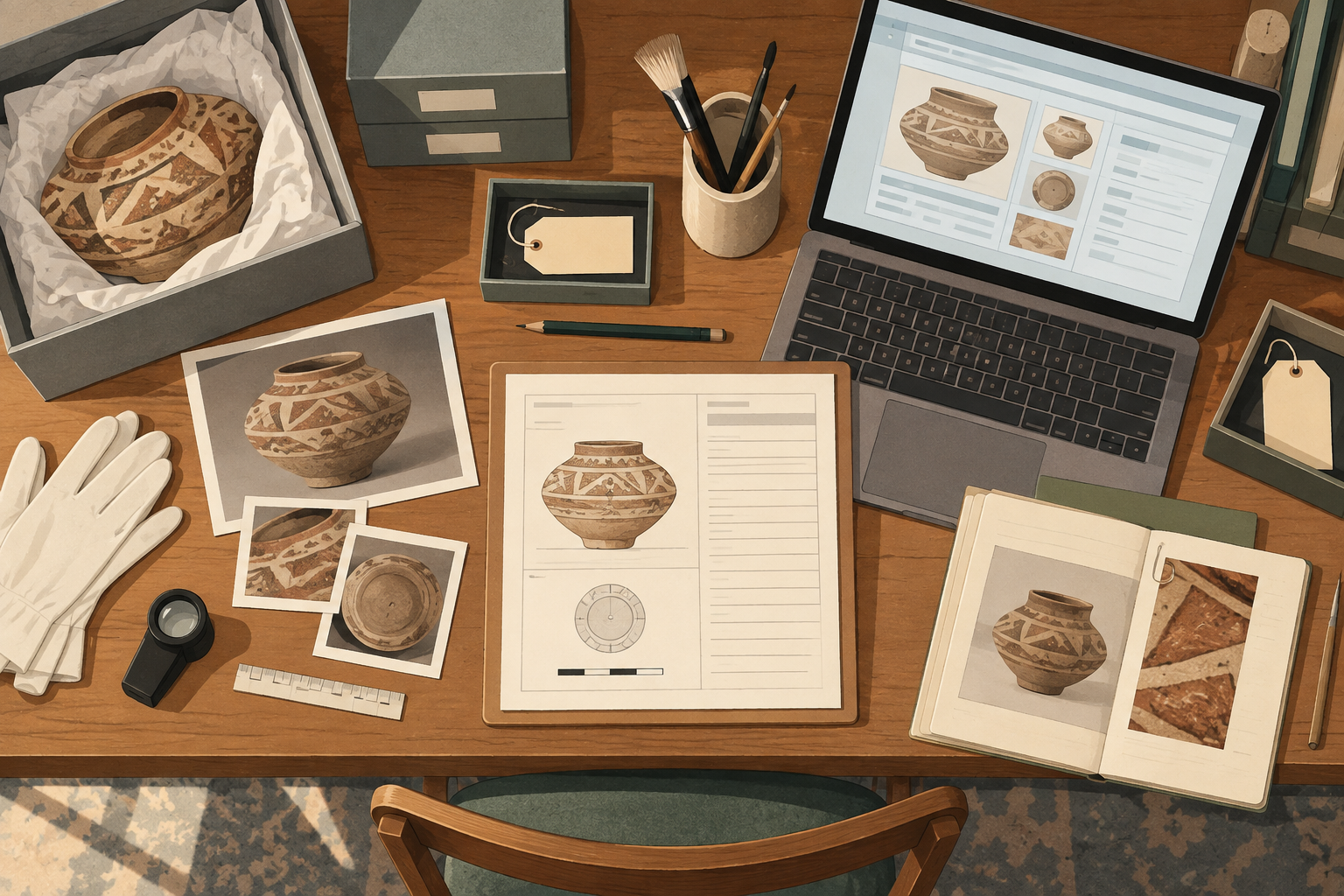
When an object enters a museum collection, it does not arrive alone. It may be accompanied by information on provenance, acquisition, people and institutions connected with it, images, condition reports, loans, treatments and earlier descriptions. Museum documentation brings this information together and makes it retrievable. Here, the computer is neither an exhibit nor an automatic guarantee of preservation: it is a tool for organizing relationships that might otherwise remain scattered.
The consulted material makes the central point clear: preserving an object without preserving the documentation that records its discovery conditions and history weakens the museum’s ability to interpret it. An object’s significance lies not only in its material form, but also in the verifiable links that explain where it came from, what changes it has undergone and why it belongs in a collection.
From inventory to documentary record
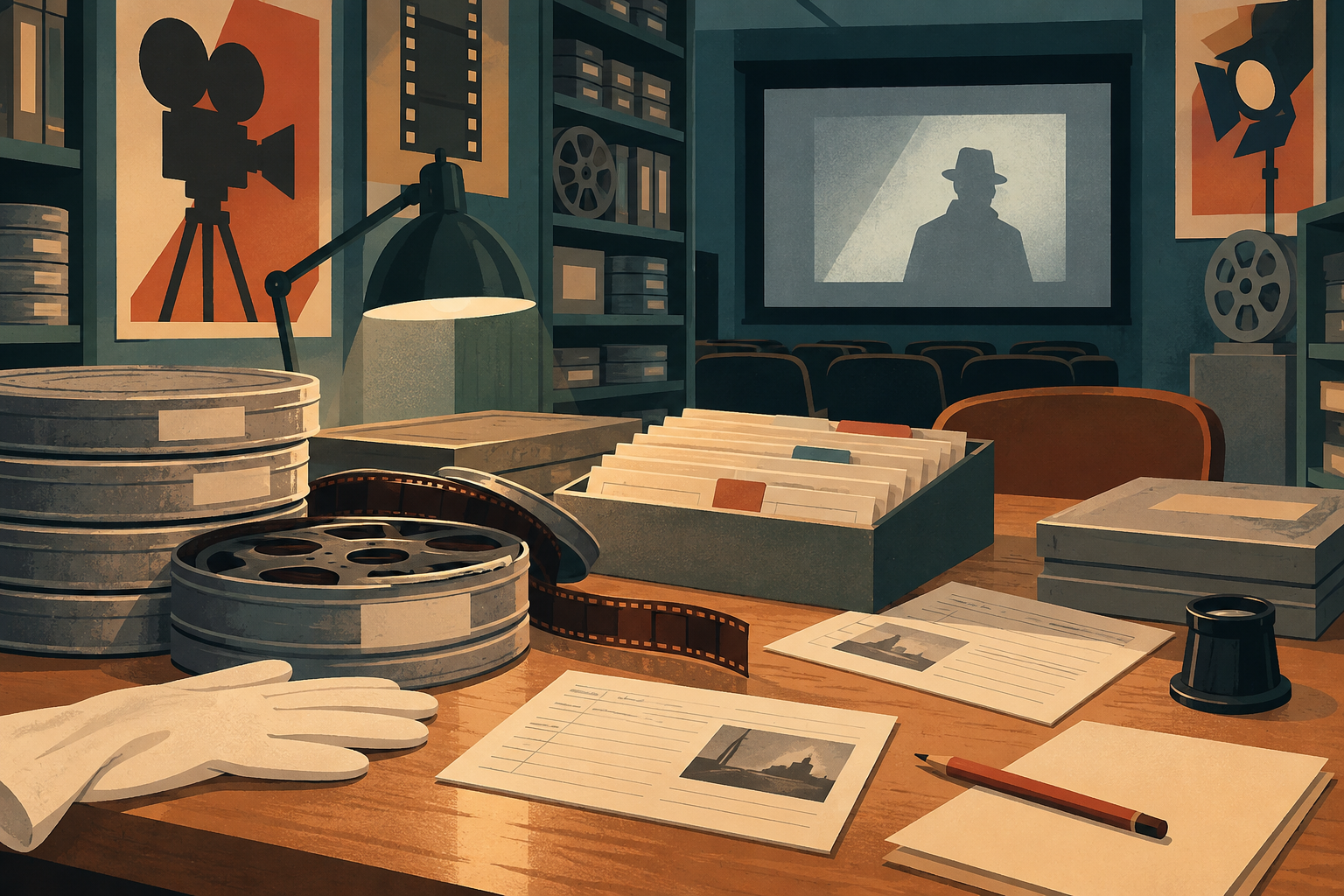
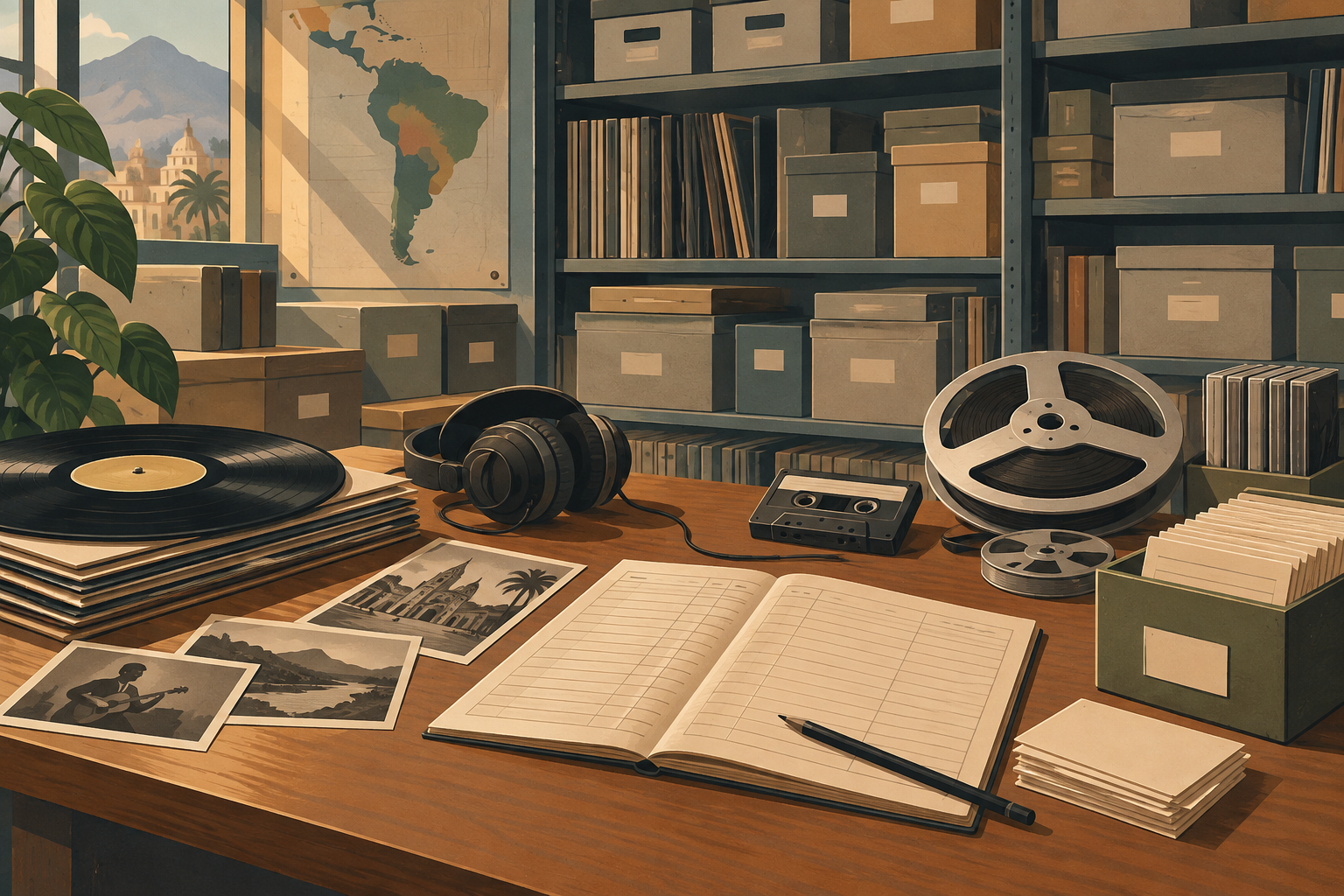
A basic record can identify an object; a documentary system can connect many layers of information. The sources describe files for individual objects containing biographies, bibliographies, chronologies and conservation reports, as well as graphic archives of photographs, slides, negatives, video and sound. This does not mean every object necessarily has every kind of record. It means the museum can register what exists, where it is held and how it relates to the object.
Computers help by structuring data and enabling searches, updates and movement control. They can also distinguish a descriptive record from a technical report, a reference image from a condition photograph, or an accession date from a production date. Such distinctions matter: an orderly database does not turn an uncertain attribution into a fact. It should preserve the difference between what is documented, what is unknown and what still requires research.
Conservation and documentation are connected
The sources place information technology in two especially relevant areas: documentation and collection conservation. A condition record can make observations from different moments comparable; a history can record treatments, moves or loans; a graphic archive can support identification of visible changes. The purpose is not to replace direct examination, but to make observations findable and comparable.
This link also rules out a false equation between digitising and preserving. Digitisation may widen access or simplify consultation, but it needs prior ordering, suitable conservation conditions and contextual metadata that allow images to be found and understood. A photograph can survive as a digital file while losing much of its documentary usefulness if it lacks adequate identification.
Context is not an optional detail
The cited archival guidance stresses that documentation relating to objects is an inseparable context and should remain within the institution. The practical consequence is that information cannot be treated as a dispensable add-on at the end of the process. If objects, images, correspondence, files and movement records are separated without describing their relationships, the museum loses traceability.
Context includes both the object’s trajectory and the institution’s own history. The Historical Archive of Spain’s National Archaeological Museum describes itself as written testimony to the museum’s life, collections and intellectual and cultural activities. Documentation therefore helps not only to study an individual object, but also to reconstruct how collections have been formed, researched, displayed and managed.
Systems, standards and access
Specific software and databases answer concrete needs: collection conservation, cultural-property documentation and management of related information. Yet a useful system needs stable descriptive criteria. Consistent names, dates recorded with their actual degree of precision, provenance kept separate from attribution, and links between documents prevent easy data entry from becoming large-scale disorder.
Public access is another dimension. The interactive kiosks described by one source show how a computer in a gallery can complement a visit with information about works, institutional history or closed exhibitions. This does not remove the need for interpretation or justify publishing every datum. It does show that documentation can serve conservation, research and public engagement when it is managed clearly.
Limits of what can be verified
The available evidence explains general functions of documentation and computer systems in museums. It does not establish which specific software each institution uses, nor does it prove that every digitisation project has equal quality or outcomes. It also cannot turn professional guidance into a universal protocol: collections, resources and responsibilities differ.
Collection records and institutional archives should also be distinguished, even when they are related. The latter document the museum’s activities, programmes, exhibitions and relationships with people and groups; the former focus on objects and their associated information. They may coexist in digital infrastructures, but they are not identical.
Conclusion
A computer gains museum value when it helps keep together the network of evidence surrounding an object. Inventories, images, reports, movements and institutional archives are not mere administrative appendices: they enable collections to be researched, conserved and explained more rigorously. The lesson is not that technology replaces the object. It is that an object without its documented context risks becoming a silent presence, even when it is physically well stored.
- Decade
- Contemporary
- Region
- Spain
- Level
- Enthusiast
- Entities
- Museum
Sources and references
- Capítulo 10 - El museo como centro de investigación. La necesidad de documentar las piezas en el museo. Tendencias documentales actuales. Normalización y gestión integral del museo. - Fco Javier Zubiaur Carreñowww.zubiaurcarreno.com · 2026-09-21
- El museo la informáticawww.uv.es · 2026-09-21
- instrucciones para la gestión y organización de archivos ...www.navarra.es · 2026-09-21
- Clip de SEDIC, Revista de la Sociedad Española de Documentación eedicionsedic.es · 2026-09-21
- Archivos de Museo: Funcionamiento - EVE Museos + Innovaciónevemuseografia.com · 2026-09-21
- Archivo histórico - | Ministerio de Culturawww.man.es · 2026-09-21