Graphics are not an add-on
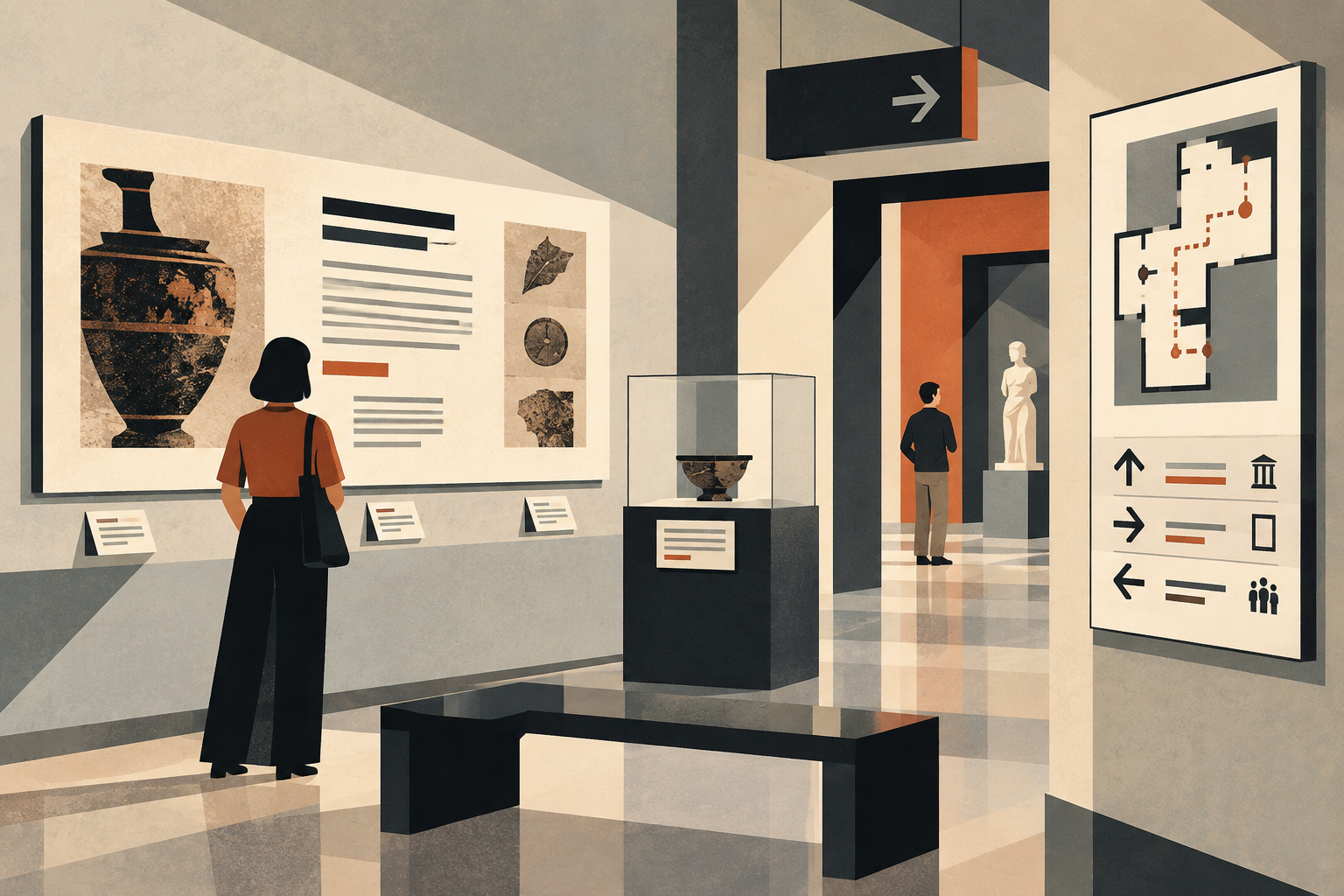
A museum communicates before a visitor reads a label. The typeface in a gallery, the order of a map, the distance between an object and its explanation, orientation colours, or the naming of a section all create an initial interpretation. Graphic design should therefore not be understood only as external promotion or decorative surface: it helps make heritage legible.
The i2 study of seven public museums in Valencia places applied graphics at the centre of institutional image and visitor experience. This is useful because it displaces a familiar assumption: visitors encounter a museum not only through objects, but through a continuous visual context. That context selects priorities, sets rhythms, and proposes relationships among content.
Archive, context and traceability
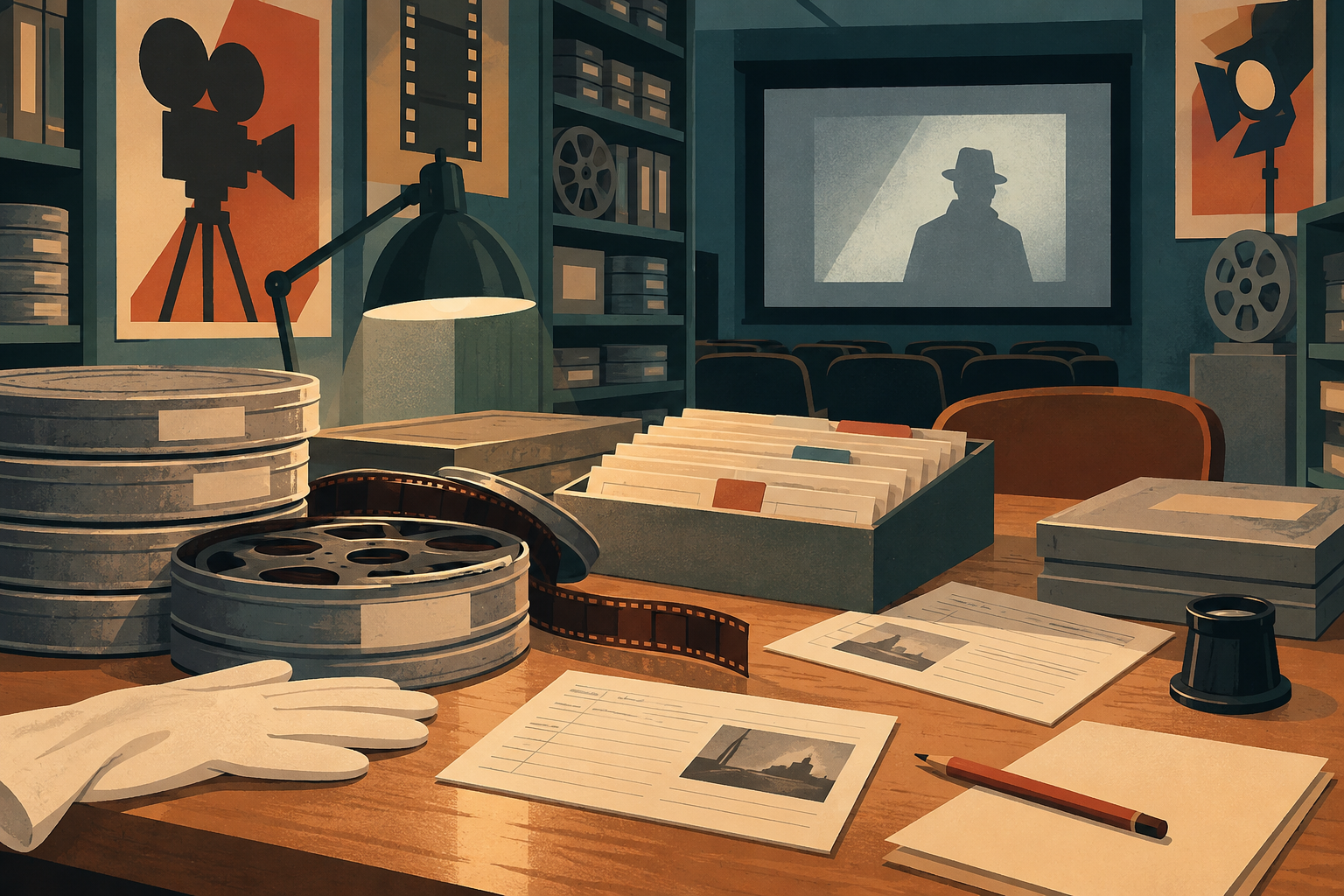
Responsible communication depends on reliable documentation. Navarra’s museum-archive guidelines identify basic elements: types of records, a classification scheme or series catalogue, metadata on production context, and an appraisal and preservation schedule. These decisions may not appear on a panel, but they support the accuracy of what a panel can claim.
The Archive of Madrid’s National Museum of Decorative Arts holds personal and institutional fonds from designers and companies related to decorative arts and design, as well as historical photographic collections. This shows that design can be both an object of study and a tool for studying. A poster, installation photograph, sketch, and file are not interchangeable; each needs contextual description so an exhibition does not turn an incomplete attribution into visual certainty.
From storage to gallery
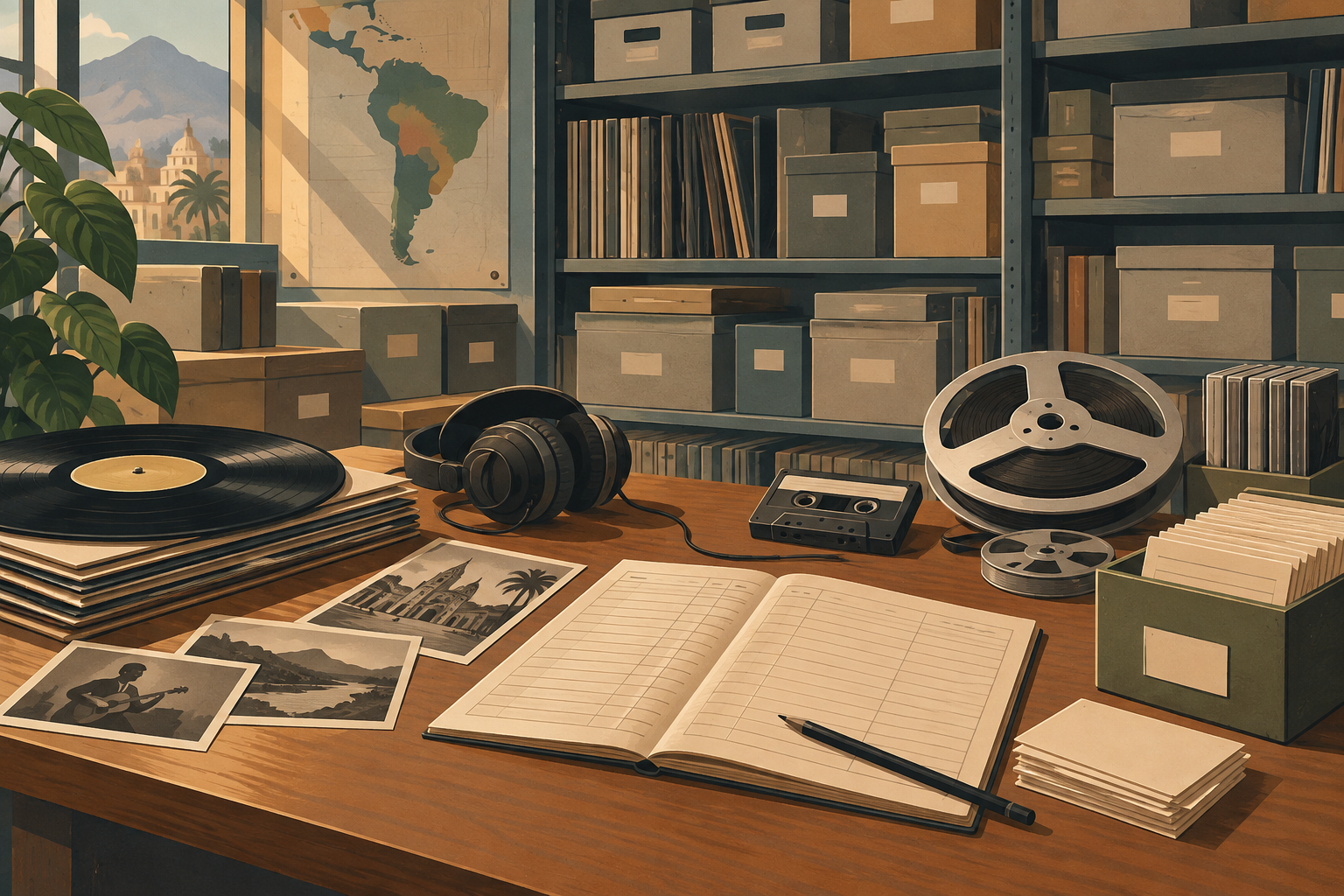
The Arkheia Documentation Centre at UNAM’s MUAC describes itself as a space for documentary preservation, knowledge production, and dissemination connected with Mexican art from the second half of the twentieth century to the present. Preservation, in this formulation, does not end with storage. An archive becomes public when it enables research, comparison, and knowledge networks.
Exhibition graphics can translate that chain without pretending every question is settled. Approximate dates, partial provenance, and authorship under study should retain their qualifications in wording and visual hierarchy. Good design does not erase uncertainty; it prevents format from turning a hypothesis into a fact. A clear label can say what is known, where information comes from, and what remains open.
Advertising: heritage and mediation
The Museum of Advertising History proposes a journey through decades and formats—print, radio, television, outdoor media, digital media, and popular culture—and states preservation and cultural-diffusion aims. While this presentation does not document individual campaigns, it supports considering advertising as communicative heritage: items made to circulate, persuade, and be replaced can later be read as documents of visual styles, technologies, and social contexts.
The curatorial risk is twofold. An exhibition may isolate an advertisement’s formal beauty from its commercial purpose. Or it may reduce it to propaganda and lose information about printing, photography, language, media, and consumption habits. Editorial design should sustain both layers: show how an item worked and explain why it now merits critical examination.
Designing routes, not imposing conclusions
According to EVE Museos + Innovación, contemporary museography arranges objects and artefacts to convey narratives and establish relationships. That narrative capacity requires care. Every selection foregrounds some connections and leaves others out; every spatial sequence proposes a viewpoint. Acknowledging this does not weaken an exhibition. It makes mediation more honest.
In practice, effective graphics offer levels of access. A heading provides orientation; a short text gives the central idea; an expanded layer serves visitors who stop; and a documentary reference enables further research. Accessibility does not mean simplifying everything until complexity disappears. It means offering different entries into the same information.
Visible preservation, durable design
The State Museums Archive Network, described in SEDIC’s Clip, links cooperation, accessibility, and documentary-heritage preservation. This invites attention to the lifespan of communication materials. Exhibition design may be temporary, but its records—layouts, texts, photographs, digital files, and version decisions—can be essential for reconstructing how a collection was presented.
Graphics should therefore be treated as part of institutional documentation. Preserving versions, dating changes, recording authorship, and describing media improve future traceability. Not every visual element requires equal permanence, but making that decision explicitly is better than losing context by accident.
Conclusion
Museum design works on the boundary between knowledge and experience. It organises a visit, but also shapes what appears important, certain, or secondary. The available evidence supports the view that archives, metadata, preservation, access, and graphics form a connected system. It does not support a universal design formula or identical effects for all audiences. The editorial and curatorial task is to make mediation visible: effective graphics do not merely attract attention; they help visitors ask where information came from, how it is organised, and which stories remain untold.
- Decade
- Contemporary
- Region
- Spain
- Level
- Enthusiast
- Entities
- Centro de Documentación Arkheia
Sources and references
- Censo-Guía de Archivos de España e Iberoaméricacensoarchivos.cultura.gob.es · 2026-09-18
- Clip de SEDIC, Revista de la Sociedad Española de Documentación eedicionsedic.es · 2026-09-18
- Diseño Museográfico y Semiótica – EVE Museos + Innovaciónevemuseografia.com · 2026-09-18
- instrucciones para la gestión y organización de archivos ...www.navarra.es · 2026-09-18
- Museo de la Historia de la Publicidad — Descubriendo la huella de la Publicidadmuseohistoriapublicidad.org · 2026-09-18
- archivo del museo nacional de artes decorativas (madrid ...censoarchivos.mcu.es · 2026-09-18
- Diseño gráfico del museo como estímulo creativo en educación patrimonial | i2 Investigación e Innovación en Arquitectura y Territorioi2.ua.es · 2026-09-18