A small object with extensive information
A sticker can seem like a minimal unit: a printed image made to circulate, be pasted down or kept. Yet a collection is not merely the sum of those units. It also contains an order, a selection, absences, annotations, exchanges and a relationship with an album or another support. That distinction matters when explaining why a domestic collection can have cultural interest without thereby becoming a museum object.
The institutional history of collections shows that objects change meaning according to the framework that gathers and documents them. Spain’s National Archaeological Museum explains that its holdings have been formed through varied routes and under different political, cultural and legal circumstances. This does not describe stickers directly, but it offers a useful caution: a collection does not emerge separately from the processes that made it possible. In an album, the represented subject matters, but so do edition, acquisition, proposed sequence and the person or group that used it.
Modena: stickers as material history
The Museo della Figurina in Modena makes it possible to place stickers within a wider material history. Available information says that the museum arose from Giuseppe Panini’s private collection, was donated to the city and opened to the public in 2006. Its holdings exceed 500,000 small prints, from the nineteenth century to the present, and address printing materials and techniques. These facts do not make every sticker an exceptional historical document; they do show that the format can be studied beyond nostalgia or the market.
The lesson is not that every album should aspire to a display case. It is that a small image can speak about publishing processes, print technologies, visual repertoires and consumer habits. EVE Museos + Innovación describes museums as historically linked to gathering and conserving valued objects and to their later educational opening. In that trajectory, value does not depend only on rarity. It can arise from what an assembled group allows people to understand.
An album is not merely a container
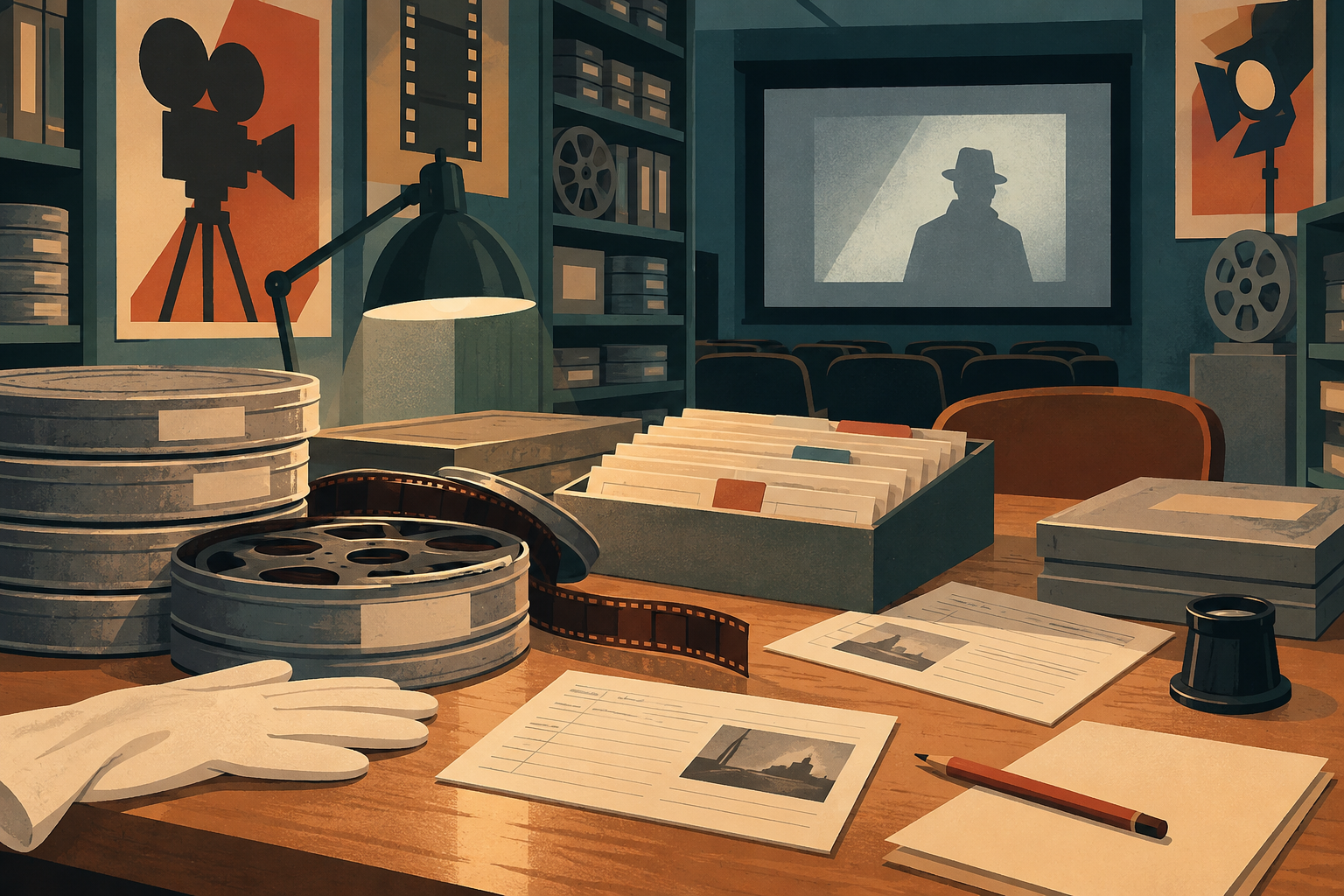
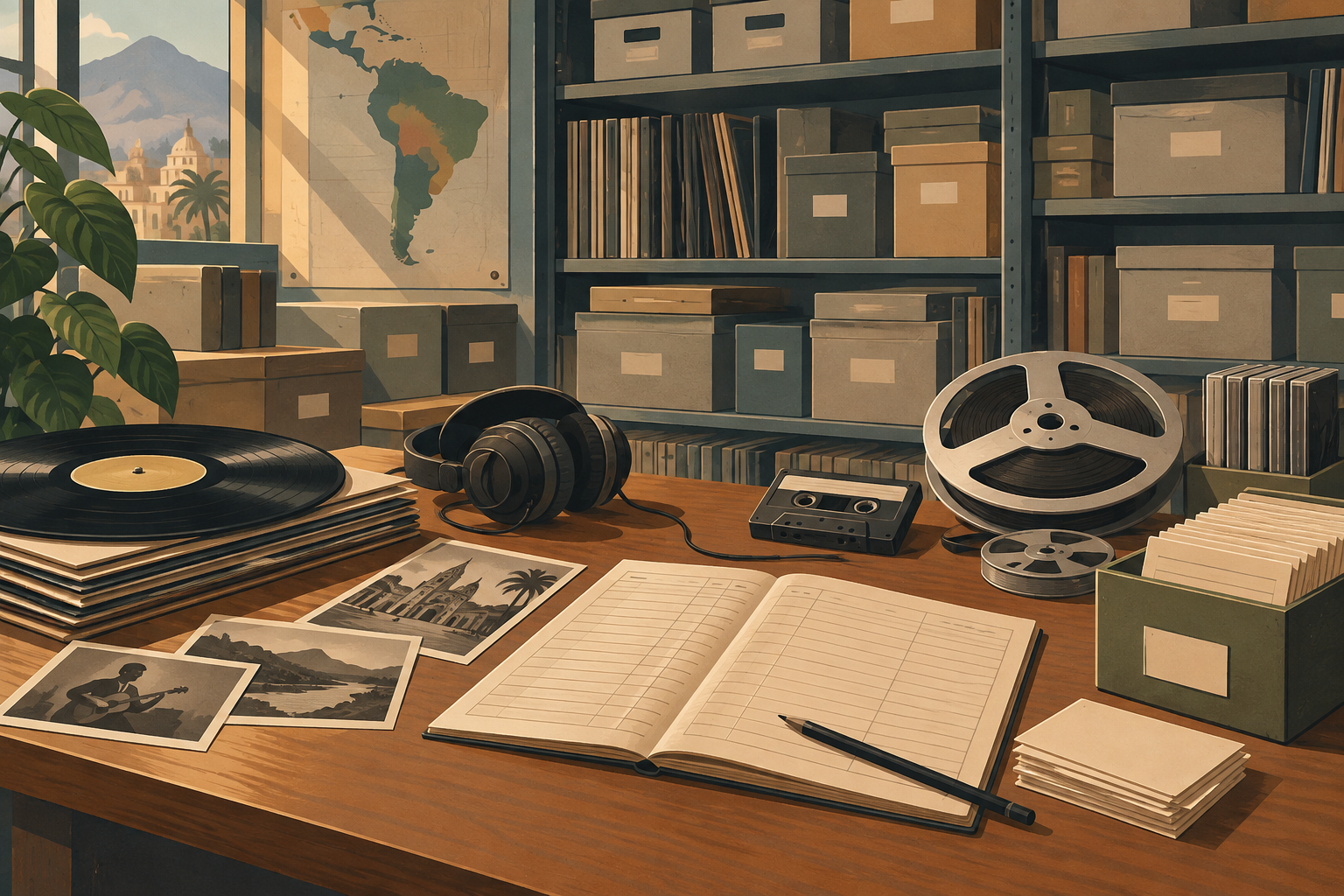
Separating stickers from an album in order to examine them individually may be necessary for some research, but it should not make the support invisible. A partly completed album conveys something different from a batch of loose images: it preserves an editorial structure, indicates which gaps were anticipated and records a particular form of use. Likewise, a packet, exchange sheet or added note may help reconstruct the collection’s trajectory.
Ibermuseos’ guide to inventory, cataloguing and documentation was designed for archaeological, art, ethnographic and historical collections and for the needs of Colombian museums. It does not provide a specific recipe for sticker albums, nor should it be mechanically transferred to domestic collecting. Its applicable contribution is different: documentation requires distinguishing and describing. For a personal collection, that can become careful questions: what exactly is being kept, what title or subject appears on the support, which parts belong together, and what information is printed rather than added later?
Recording what is visible before reorganising helps avoid confusing a present-day intervention with the set’s earlier history. If a date, print run or provenance is unknown, the description can state that uncertainty. An honest record is stronger than an appealing but unsupported attribution. It is also useful to distinguish what the object says from what its owner remembers: both may matter, but they are not the same kind of testimony.
Preservation does not mean freezing or “improving”
Preventive conservation is presented by Ibermuseos as small actions based on basic knowledge to prevent deterioration and protect objects. It suggests a helpful attitude: prevent the loss of information before pursuing an ideal appearance. In a sticker collection, that means recognising that signs of use, earlier arrangements or gaps may be part of its history. Not every trace is a flaw to erase.
EVE Museos + Innovación stresses that conservation and custody belong to the definition of a publicly displayed museum collection, and that loans and restorations are subordinate to conservation. Modestly transferred to private collecting, the principle suggests avoiding irreversible choices made only for appearance or expected value. Reordering, replacing pages or separating materials may make consultation easier, but can also alter documentary links. Before a change, overall photographs and notes on the existing arrangement preserve a comparison point.
This is not a claim to establish a professional home protocol or guarantee conservation outcomes. It means choosing reversibility and documentation where possible, and recognising when an item needs specialist advice. The boundary matters: the supplied evidence supports general preventive-conservation principles, not specific treatments for the paper, adhesives or inks of any particular album.
Cultural context: questions for a collection
A collection becomes richer when the question is not solely “what is it worth?” One may explore what subject organises the images, what audience the edition appears to imagine, how text and image relate, or which exchange routines it presupposes. It is also possible to note whether characters, events, products, sport, nature or other categories predominate, while describing what is actually present and not inferring intentions the object does not document.
Research into collections and museum practices expanded notably in the early twenty-first century, according to the academic text published through Amelica. It highlights the varied purposes for which collectors have preserved and publicly displayed heterogeneous sets. That perspective avoids a single story about collecting. An album may have been used to play, learn, join a promotion, complete a series or build personal memory; often several functions coexisted.
Documentation also lets other people understand a set without sharing its original experience. A title, a description of overall condition, the relationship between pages and known provenance notes turn private accumulation into a verifiable, if incomplete, account. Missing information does not invalidate the set; it defines what can responsibly be said.
A reasonable scale for domestic collecting
Museology does not demand that every collector become a conservator, archivist or curator. Its value is to offer a scale of attention: look at the object, its grouping and its context; describe before changing; distinguish facts from memories; and accept that preservation includes retaining the possibility of future interpretation.
The Museo della Figurina demonstrates that small printed objects can enter public accounts of images, techniques and visual culture. Ibermuseos’ guides recall that inventory and care are connected tasks. Between those ends there is room for the domestic album. Its relevance does not depend on resembling an institutional collection, but on retaining the relationships that make it readable: its pieces, support, order and the reliable information that can accompany it.
That may be the most useful change in the act of collecting. It is not about raising every sticker to the status of treasure, but about treating the set precisely enough that it can still say something when immediate memory is no longer sufficient.
Documentary gallery


- Decade
- Contemporary
- Region
- Europe
- Level
- Enthusiast
- Entities
- No linked entities
Sources and references
- Breve Historia de los Museos – EVE Museos + Innovaciónevemuseografia.com · 2026-09-19
- Introducción al Tema Central nº 14: Investigar colecciones, museos y prácticas de la museística. Reflexiones e instrumentos para la discusión colectivaportal.amelica.org · 2026-09-19
- Una historia de cromos | Pixartprintingwww.pixartprinting.es · 2026-09-19
- La conservación de las colecciones | Centro de Documentación | Ibermuseoswww.ibermuseos.org · 2026-09-19
- Guía para el inventario, catalogación y documentación de colecciones de museos. Arqueología, arte, etnografía e historia. | Centro de Documentación | Ibermuseoswww.ibermuseos.org · 2026-09-19