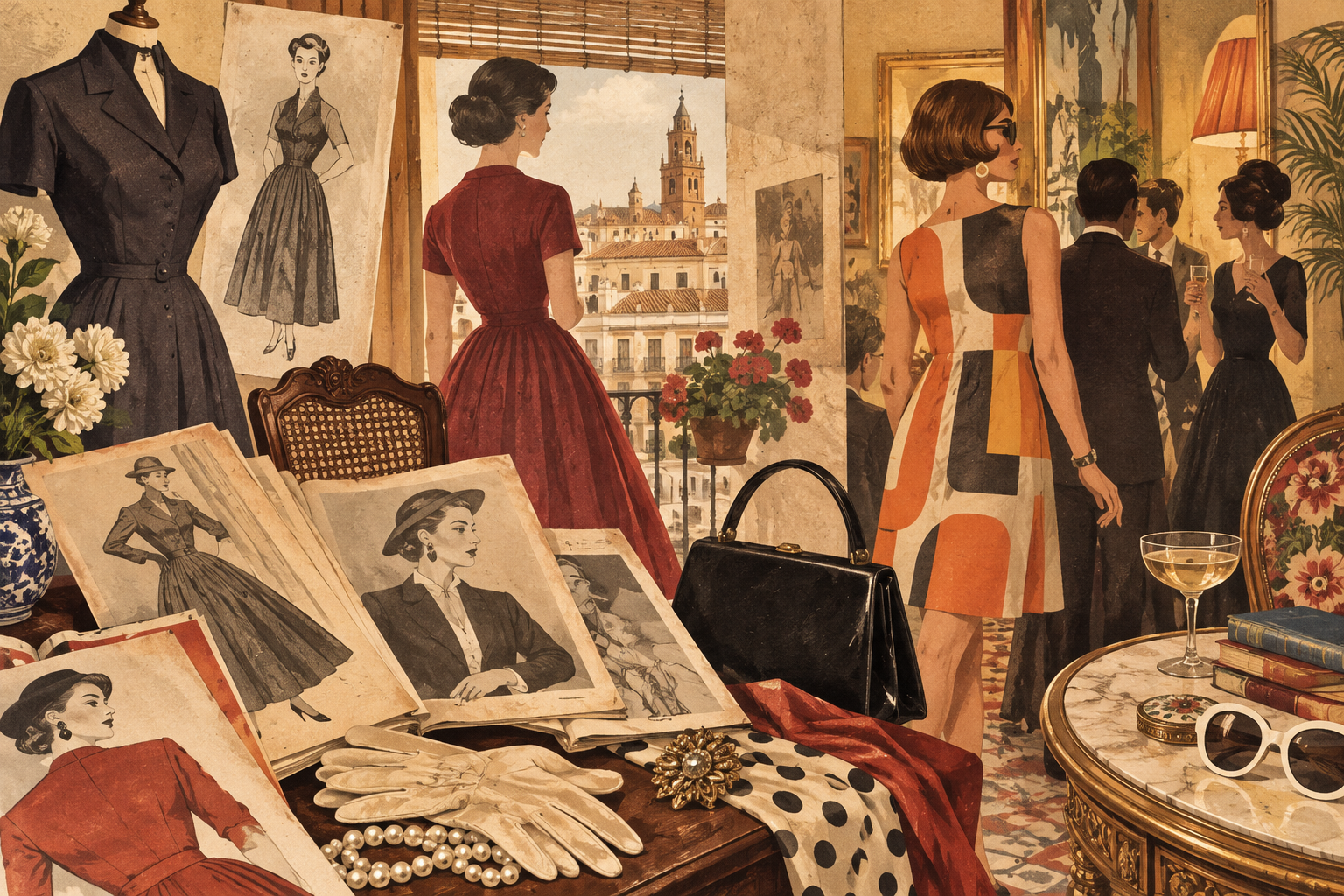
An advertisement is more than an image
A poster, package or advertising magazine page can appeal through colour, typography or the memory it prompts. Before turning it into a collectible, however, it is worth changing the question. Rather than asking only whether it is attractive or old, ask what the object is, which format it uses, whom it seems to address and what information can actually be verified.
The available evidence presents advertising as a broad material field: print, radio, television, outdoor media, digital content, posters, photographs, packaging, displays and magazines. That variety matters because a message never travels alone. An illustration in a magazine, a box made for a retail shelf and an outdoor poster may share a visual identity, yet they were designed for different conditions of viewing. Treating them all as mere prints removes a crucial part of their history.
Begin with the format
The first fact in a responsible record is format. Is the item a removed page, a complete press advertisement, a poster, label, package or display? Then note dimensions, visible printing, condition and any editorial or commercial text around it. A printed date, magazine issue number, address, price or manufacturer reference may be clues; they are not, on their own, proof of the date of a brand design or campaign.
This method may sound basic, but it prevents a common error: giving an object a more exact chronology than the evidence allows. General writing on advertising design traces continuities among newspapers, magazines, radio, television and the internet. Such continuity does not permit an item to be dated automatically from lettering or from a colour palette now associated with a decade.
Read composition as a decision
Once the format is identified, analysis can address construction. The relative scale of product, headline, brand, explanatory copy, empty space, photography and illustration reveals what was meant to be seen first. Sequence matters as well: packaging is viewed close up and handled; a poster had to compete with its surroundings; a page lived beside news and other images.
Speaking of style is useful when done precisely. The supplied sources connect visual languages with broad movements, from Art Nouveau to Modernism, and mention current uses of 1960s psychedelic references and neon aesthetics associated with the 1980s. This supports reading hypotheses, not certified dating. A composition that looks 1960s may be later, a reissue, or a deliberate quotation.
Advertising also records social values
Advertisements are documents of consumption, but also of representation. The evidence suggests reading them as visual chronicles of social values, gender roles and consumer expectations, including assumptions about family life that a 1950s domestic advertisement may reveal. This is productive only when what the item shows is kept separate from what we infer.
Describe first: who appears, what activity is shown, what verbal promise is made, and which public seems to be addressed. Interpretation follows. One advertisement cannot prove how an entire society lived; it can document that an advertiser chose a particular representation and promise to communicate.
Collecting is documentation
A collection gains historical value when it retains provenance and context. Advertising archives and museums gather advertisements, magazines, packaging, posters, photographs and period materials; other institutions highlight packages, displays and posters linked to graphic arts and design. These categories encourage collecting beyond the spectacular single item: several insertions from one magazine, package variants, or materials intended for one point of sale.
A home record can include the literal title, brand as printed, format, measurements, visible text, known provenance and photographs of front and back. Keep separate what is read on the object, what a seller states and what the collector hypothesises. That distinction allows an attribution to be corrected without erasing the item’s history.
Limits and a useful conclusion
The gathered evidence confirms the importance of advertising archives and of design within cultural communication, but it does not identify campaigns, authors or exact dates for objects in a particular collection. Nor is it sufficient to establish authenticity, print run, monetary value or reproduction rights. Those questions require item-specific sources.
A verifiable curiosity does not reduce vintage advertising to period style. It observes how format, composition and context turn a commercial message into a visual document. Collectors working this way preserve more than appealing images: they preserve well-formed questions and evidence that others can review.
- Decade
- 1960s
- Region
- Other regions
- Level
- Enthusiast
- Entities
- No linked entities
Sources and references
- Museo de la Historia de la Publicidad — Descubriendo la huella de la Publicidadmuseohistoriapublicidad.org · 2026-09-17
- Centro de Documentación Publicitariawww.lahistoriadelapublicidad.com · 2026-09-17
- La Guía Completa de la Publicidad Vintage: Historia, Tipos y Coleccionismolaboostudio.com · 2026-09-17
- Evolución y aplicación del marketing cultural en los museosbid.ub.edu · 2026-09-17
- Apuntes para el estudio de la Historia de la Publicidad Elisa Lucas Barciaudimundus.udima.es · 2026-09-17